Explore delicious family recipes, healthy eating tips, nutritious meals, and refreshing drinks. Make mealtimes enjoyable and boost family health with our e
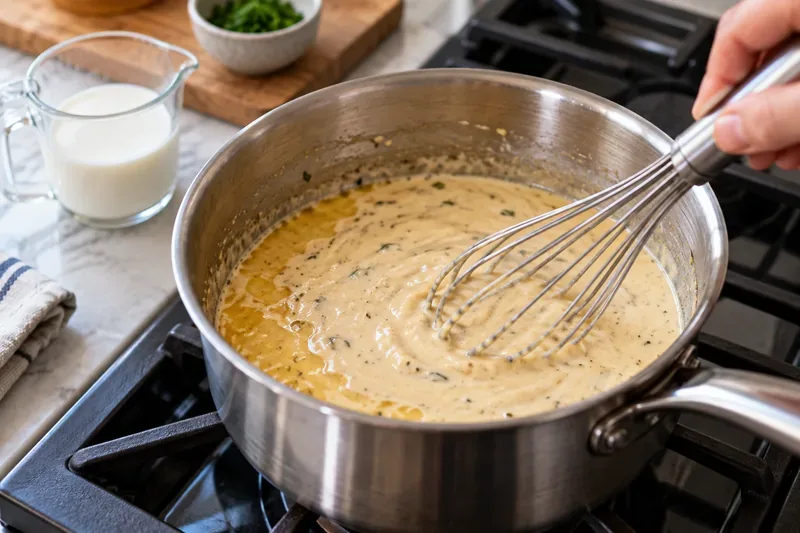
Sauce can split after reheating when fat, water, proteins, or starch fall out of balance. Learn why it happens, which sauces can be rescued, and how to reheat them safely.
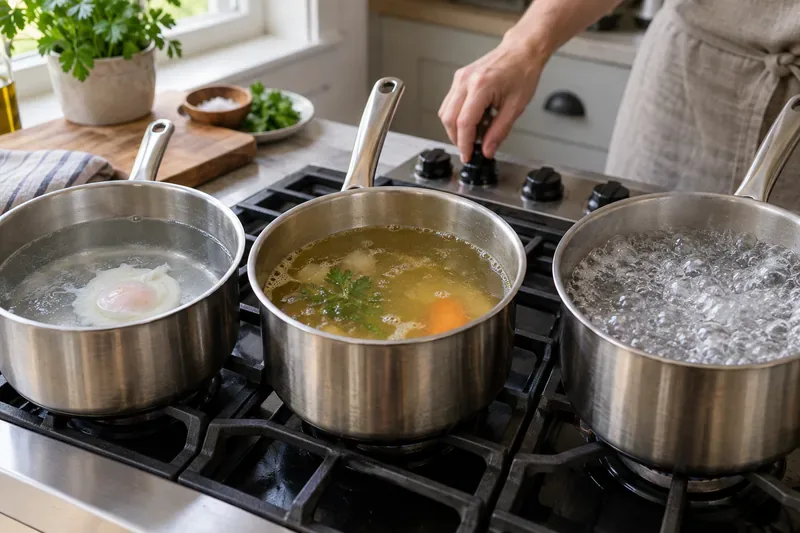
Learn how poaching, simmering, and boiling differ by water movement, temperature, and best uses, plus how to control the heat and check doneness safely.
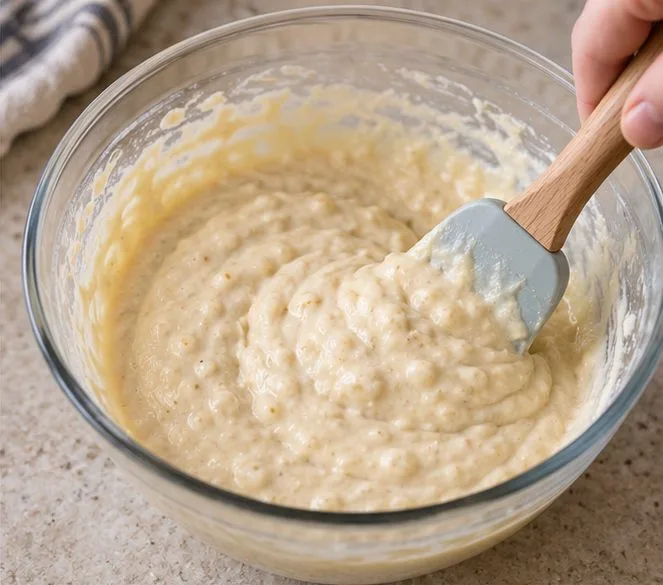
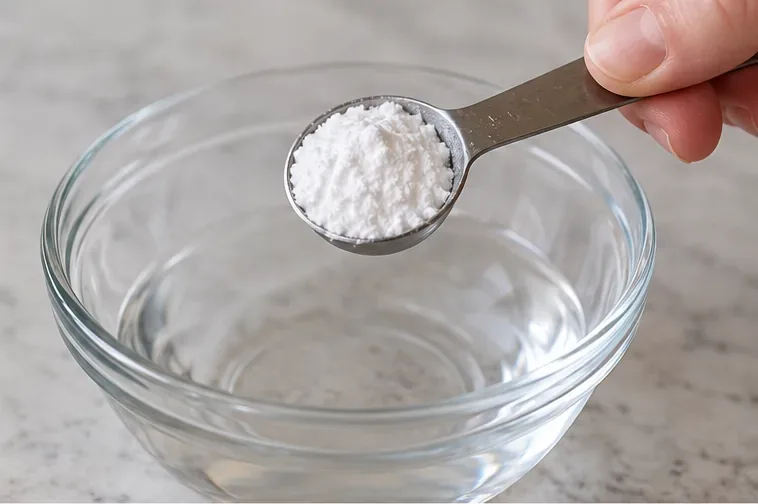
Test baking powder with warm water, read the bubbles, and learn when to replace it. This simple guide also explains storage, dates, and common testing mistakes.
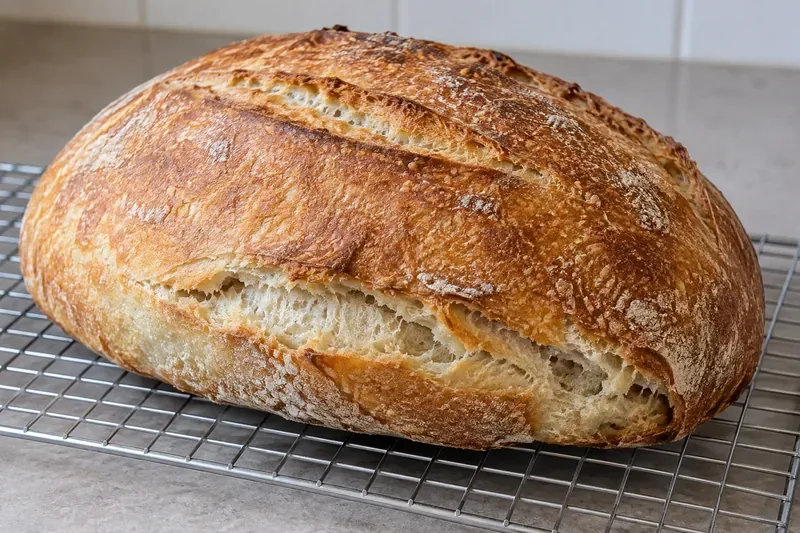
A side split usually means the loaf expanded at a weak point instead of opening through its score. Learn how scoring, steam, shaping, proofing, and pan fit affect the result.
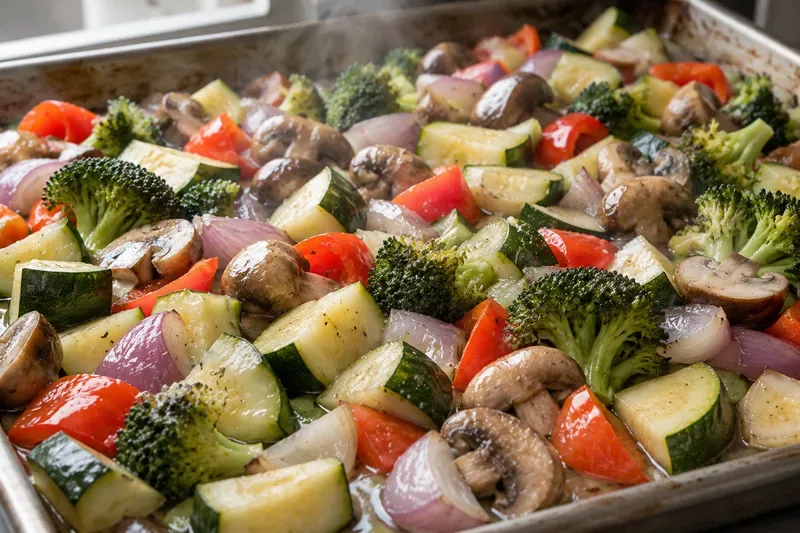
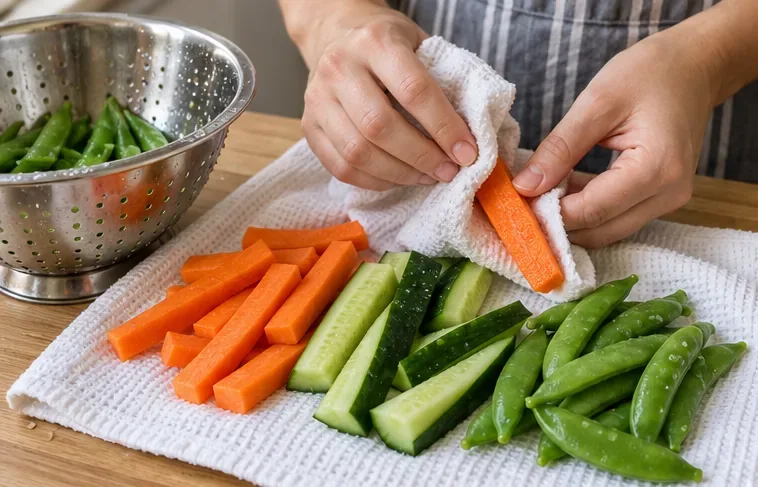
Crowded pans, surface moisture, low heat, and mixed vegetables can leave roasted vegetables pale and soft. Learn what causes steaming and how to fix it.
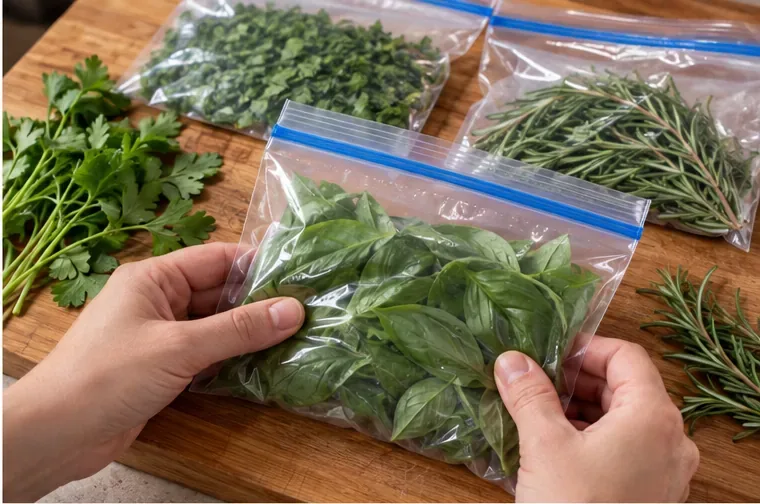
Compare the best ways to freeze fresh herbs in bags, water, or oil, with practical trade-offs for preserving aroma, color, texture, and cooking convenience.
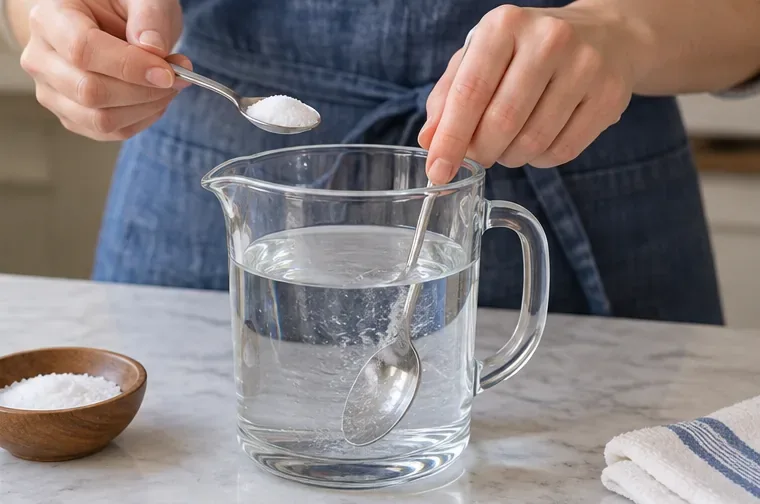
Keep apple slices lighter without lemon’s sour taste. Learn a dilute saltwater dip, quick rinse, storage tips, food-safety basics, and common mistakes.
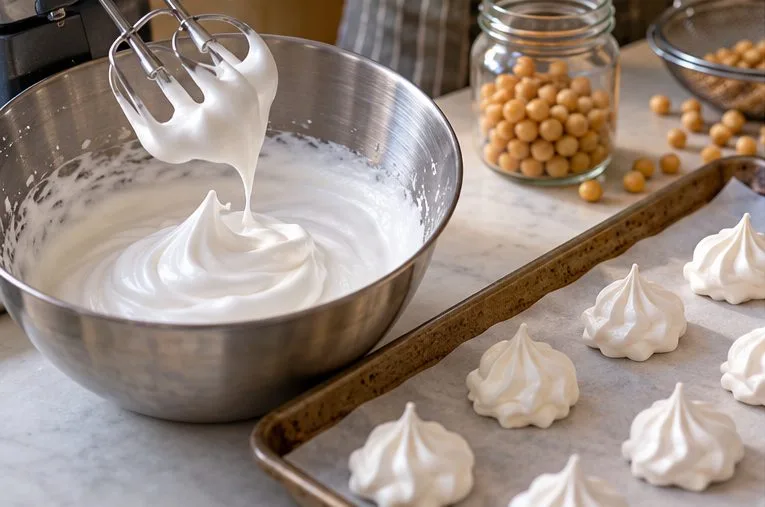
Match egg substitutes to the job eggs do: use fruit purée for moisture, flax gel for binding, aquafaba for whipped whites, or a tested replacer for cakes.
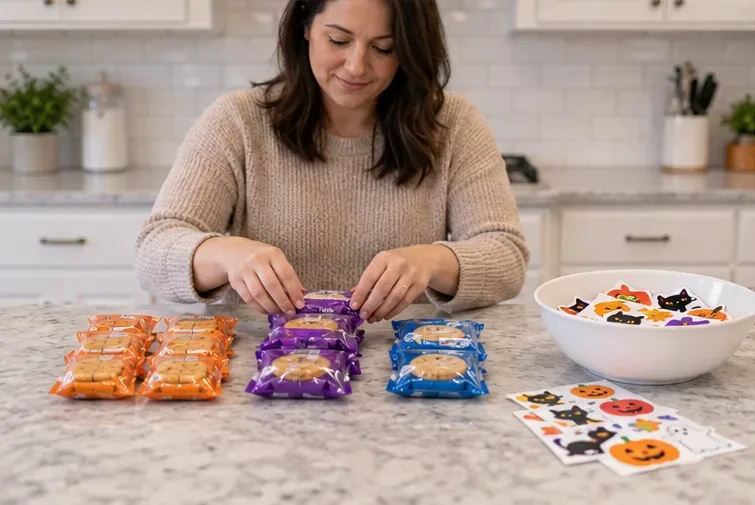
Plan a school Halloween snack around food allergies: confirm classroom rules, read the exact label, prevent cross-contact, and prepare an inclusive alternative.
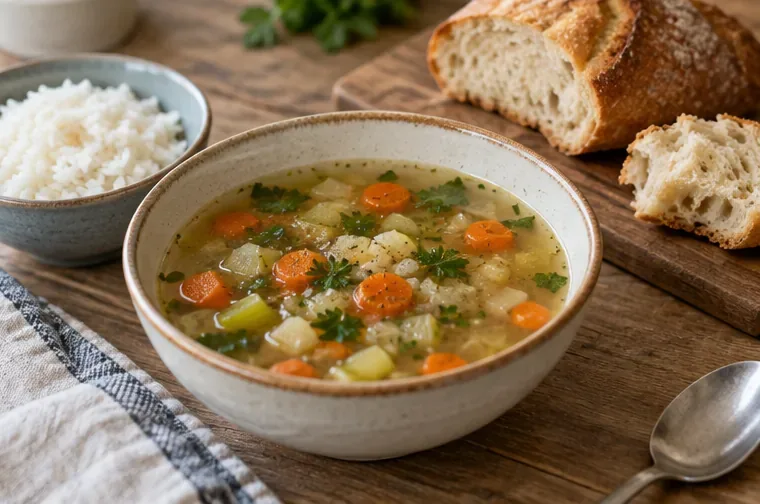
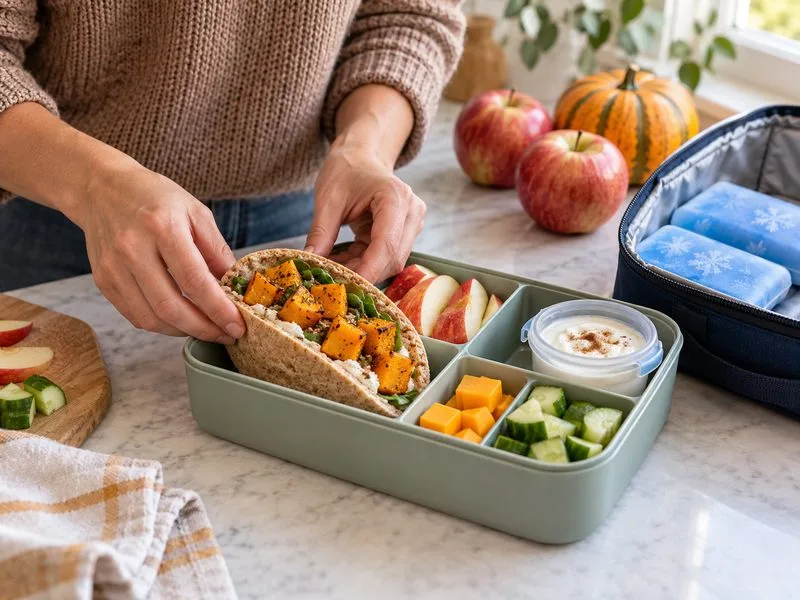
Plan five autumn school lunches with make-ahead components, easy swaps, and food-safety tips for keeping cold lunches chilled and soup hot.
↗
Discover simple, tasty family recipes and healthy drinks to nourish your loved ones. From quick breakfast ideas to festive dinner menus, our food and drink section offers practical advice for better nutrition and fun family bonding.