Home
» Food & Drink
»
Make-Ahead Autumn Lunchbox Ideas for a Week of School Mornings
Make-Ahead Autumn Lunchbox Ideas for a Week of School Mornings
Autumn lunch prep works best when it saves time without making the food soggy, unsafe, or unfamiliar. A useful goal is a short morning routine, a lunch your child is willing to eat, and cold or hot food held safely until lunchtime. Think in components: one filling main item, a fruit or vegetable, and a familiar side. Then reuse a few prepared ingredients in different combinations instead of building five complicated recipes.
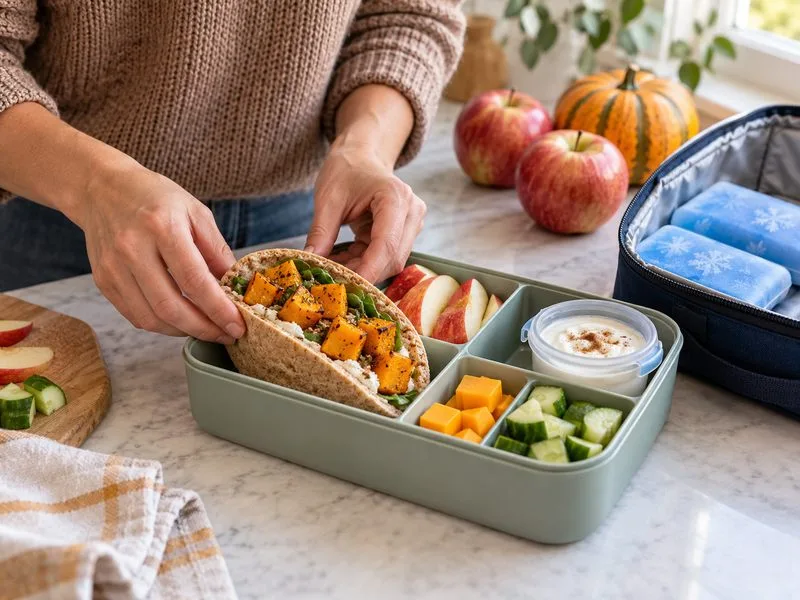
An autumn lunchbox can pair a familiar main item with seasonal produce and a cold source for perishable foods.
Set up one flexible prep session
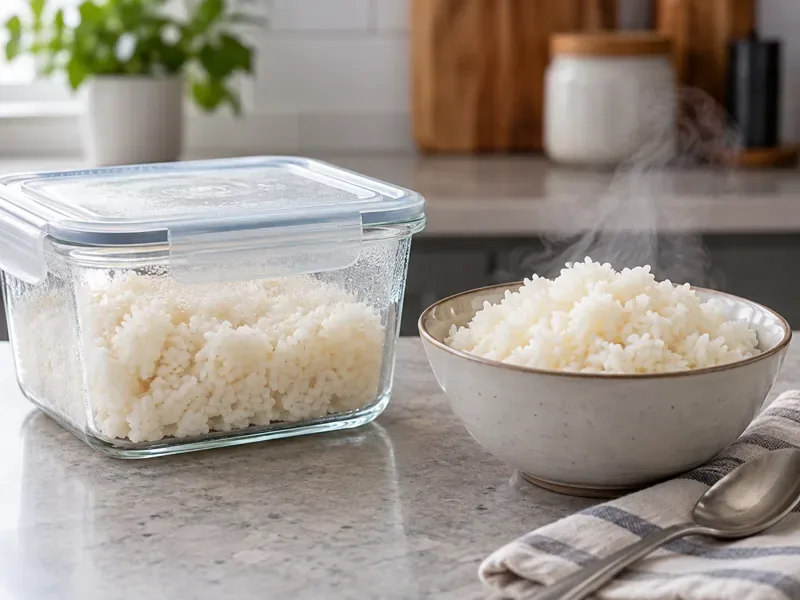
Choose ingredients your child already accepts, then add one seasonal item at a time. On a weekend, wash sturdy produce, roast a tray of squash or sweet potatoes, cook a grain such as brown rice or quinoa, and portion a protein such as beans or chicken. Let hot food cool safely in shallow containers and refrigerate it promptly. Keep wet fillings, greens, and crunchy items separate until packing so bread does not soften and vegetables stay crisp.
Make-ahead does not mean every lunch should sit in the refrigerator all week. USDA guidance says most cooked leftovers keep for 3 to 4 days in the refrigerator; use or freeze food within that period. For a Sunday prep, plan refrigerated portions for the first part of the week and freeze suitable later-week portions promptly. Move a frozen portion to the refrigerator the night before it is needed. Keep cut fruit, dairy, cooked meat, beans, and other perishable items refrigerated until packing. See USDA’s leftover storage guidance for storage limits.
Five autumn lunchbox ideas, Monday through Friday
School day
Lunchbox idea
What to prep ahead
Monday
Turkey, apple, and cheddar whole-grain roll-up; carrot sticks; a small yogurt
Wash carrots and portion cheese on the weekend. Slice the apple the night before and keep it in a sealed container; pack the roll-up in the morning or evening and refrigerate.
Tuesday
Roasted squash and white-bean pita with spinach; pear; crackers
Roast squash and mash some beans with a little olive oil or plain yogurt. Store the filling separately and assemble the pita shortly before serving so it does not turn damp.
Wednesday
Warm lentil or bean soup in a thermos; whole-grain bread; apple slices
Cook a pot of soup, chill portions promptly, and freeze any portion that will not be used within 3 to 4 days. Reheat the portion until steaming before packing it hot in a preheated insulated food jar.
Thursday
Chicken or chickpea grain bowl with roasted sweet potato, cucumber, and a small dip
Cook grain and protein ahead, freeze a later-week portion if needed, and thaw it in the refrigerator overnight. Pack crunchy vegetables and dip separately.
Friday
Cheese and spinach quesadilla wedges; orange segments; roasted pumpkin seeds if allowed
Cook the quesadilla the night before, cool and refrigerate promptly, then pack cold with cold sources. If your child dislikes it cold, swap in a familiar sandwich or use a school-approved way to reheat lunch.
Use this as a menu framework, not a prescription. Swap the main item for a familiar egg, bean, chicken, tuna, or cheese option, depending on your child’s preferences and school rules. If seeds, dairy, wheat, sesame, eggs, fish, or another ingredient is not safe for your child, leave it out and use the child’s established allergy plan. Check the school’s current allergy and lunch policies before packing shared or restricted foods.
Make the plan practical on busy mornings
Batch the parts that hold up well
Roasted squash, cooked grains, washed whole fruit, and portioned dry snacks can reduce morning decisions. Keep sauces, dips, and juicy fillings in small leak-resistant containers. A whole apple or pear can be easier to prep than sliced fruit; if you slice fruit ahead, store it covered and chilled. Let your child choose between two acceptable options, such as pear or apple, so the lunch is predictable without requiring a new menu every morning.
Use the freezer for the end of the week
Cooked soup, beans, grains, and some cooked proteins generally freeze more conveniently than assembled sandwiches or cut produce. Freeze individual portions in labeled containers, then thaw them in the refrigerator rather than on the counter. Keep crisp vegetables and bread separate. If a thawed ingredient looks or smells off, or you are unsure how long it has been stored, do not pack it; replace it with a safe shelf-stable or freshly prepared choice.
Keep lunch cold—or hot—until it is eaten
Autumn weather does not make a lunch bag a refrigerator. USDA recommends an insulated lunch bag and at least two cold sources for perishable foods. Pack food cold from the refrigerator and place frozen gel packs above and below it when possible. If the school has a refrigerator, confirm whether students can use it. For soup, use a clean insulated food jar: preheat the jar with boiling water for a few minutes, empty it, add piping-hot soup, and keep it closed. USDA says hot food should stay at or above 140°F. Read USDA’s lunch-packing safety steps before relying on a particular container.
Perishable food should not sit unrefrigerated for more than two hours, or more than one hour when the temperature is above 90°F. If the lunch cannot stay cold or hot until lunch, choose foods that do not require temperature control or coordinate a safe storage option with the school. USDA explains the 40°F–140°F temperature danger zone. The FDA also advises keeping cold foods at 40°F or below; see FDA guidance for transporting cold food.
How to tell whether the lunch plan is working
At the end of the week, judge the plan by what happened, not how attractive the lunchboxes looked in the morning. A workable routine leaves you with less last-minute preparation, food that stayed at a safe temperature, and lunches your child actually ate. Check which items came home untouched, whether the main item stayed fresh, and whether the cold packs were still cold at pickup. Those clues show what to adjust.
If a wrap comes home soggy, pack the filling separately or assemble it later.
If the child eats the fruit but not the roasted vegetables, try a smaller portion or a familiar dip rather than packing more.
If refrigerated leftovers do not cover the week safely, freeze later portions or cook a smaller batch.
If the lunch bag is not staying cold, add the required cold sources, use the school refrigerator, or choose a shelf-stable alternative.
If allergies or school rules make an ingredient unsuitable, substitute a safe option rather than relying on a “nut-free” or “allergen-free” label without checking the package and policy.
A make-ahead lunchbox system is successful when it fits your child, your mornings, and the school’s storage rules. Five different meals are optional; a few safe components used in appealing combinations may be easier to maintain. Revisit the plan after a week, keep the items that are eaten, and change the ones that create extra work or return untouched.
Food-storage and lunch-packing guidance checked against USDA FSIS and FDA pages on September 28, 2026. Follow your child’s medical allergy plan, product labels, and school instructions; general menu ideas cannot replace individualized medical or food-safety advice.