What to Pack for a Pet Sitter Besides Food and Medicine
Prepare a pet-sitter kit with care instructions, emergency contacts, comfort items, cleanup supplies, ID details, and home-access notes—plus a practical handoff checklist.
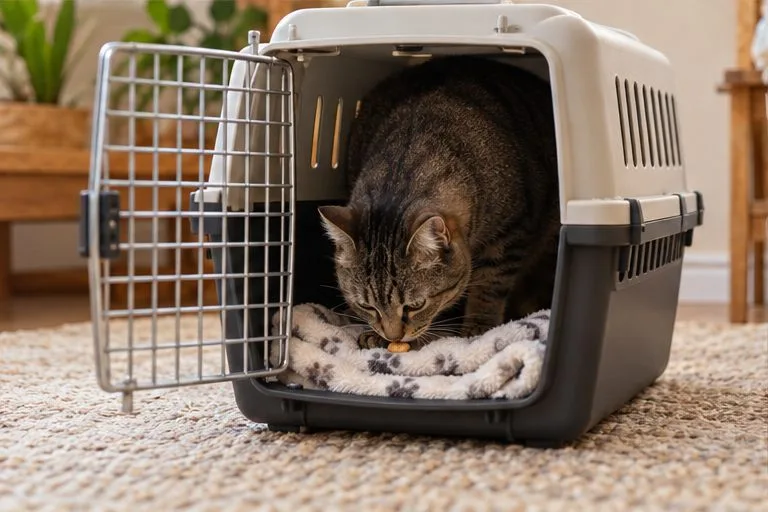

Learn how to choose a cat carrier, build comfort with gradual reward-based practice, and prepare for a safer, less stressful veterinary trip.
A rabbit that skips hay but accepts treats may have dental pain, GI trouble, stress, or a diet preference. Learn what to watch, what to change, and when to call a rabbit-savvy vet.
A cat may scratch beside a post because the spot, texture, angle, stability, or location suits it better. Learn what to observe and how to adjust the setup.
A pet’s evening restlessness may follow natural activity rhythms, routine cues, unmet needs, or health changes. Learn what to observe and when to call a veterinarian.
Introduce a new litter box gently: keep the familiar box available, use familiar litter, and let your cat choose. Learn when avoidance needs veterinary care.
Learn how to compare boredom and separation-related anxiety in pets, what to record on video, when to call a veterinarian, and which low-risk changes may help.
Plan a safer, gradual introduction when a dog guards food or toys. Learn how to separate resources, read stress signals, measure progress, and know when to get expert help.
Help a dog or cat accept nail care with gradual, reward-based practice. Learn what progress looks like, when to pause, and when to ask a veterinarian or groomer for help.
Learn how to wash a pet bed with less lingering detergent scent. Compare fragrance-free options, follow the care label, rinse thoroughly, and dry every layer safely.
Learn which household sounds can stress birds, cats, and dogs, what signs to watch for, and how to reduce noise exposure using current veterinary guidance.
Aquarium water can turn cloudy after a change because of stirred-up particles, algae, or microbial shifts. Learn what to check and when fish may be at risk.
A diet change can mean less water in your dog’s food. Learn what to track, when increased thirst needs a vet, and why water should stay available.
Learn what to record about your pet’s appetite, activity, behavior, weight, and daily routine so your veterinarian gets a clear, useful timeline.
A sudden walking refusal can point to pain, fear, or a route-specific trigger. Learn what to observe, when to stop, and when to call a veterinarian.
Use this room-by-room Halloween pet safety checklist to secure cords, candles, candy, and decorations while giving cats and dogs a calm place to retreat.
Explore our pets care guide for families, covering pet health, nutrition, and training tips. Learn how to choose the perfect pet companion and ensure their well-being. From grooming to exercise, keep your family pets happy and healthy with expert advice.