Food and medication cover only part of a pet’s routine. A sitter also needs to know how your pet behaves, where supplies are, whom to call, how to handle an emergency, and which familiar items help your pet settle. The best kit is easy to use, tailored to your pet, and matched to the arrangement: your pet may stay at the sitter’s home, or the sitter may visit or stay in yours.
Before packing, ask the sitter what they can store and what they already provide. Then organize the rest into two parts: a short care sheet the sitter can scan quickly and a small set of labeled supplies. The ASPCA’s pet-sitter safety checklist likewise highlights owner and backup contacts, an itinerary, pet details, and veterinary information.
Step 1: Confirm the arrangement and make a care sheet
First, confirm where the pet will be cared for, the dates and times, how often visits will happen, and how the sitter should reach you. A dog staying overnight in a sitter’s home may need a carrier or bed; a sitter visiting your home may need tested entry instructions and a way to reach supplies. For boarding or day care, check the facility’s own requirements before packing. Vaccination or health-document rules vary by provider and location.
Make a one-page care sheet for each pet. Put essential details at the top, not buried in a long note:
- Routine: usual wake-up and bedtime, walks or activity, bathroom or litter habits, feeding schedule, and favorite calm activities. Keep food and medication directions on their own clearly labeled instructions if needed.
- Behavior and safety: how your pet responds to strangers, children, other animals, doorbells, handling, or being alone; known escape habits; fears; and cues the pet understands.
- House rules: rooms or furniture that are off-limits, whether the pet may go outdoors, leash rules, and what the sitter should do before opening an exterior door.
- Comfort and handling: preferred greeting, hiding place, grooming needs, and signs that the pet is stressed or not acting normally.
Use concrete directions. “She hides when the doorbell rings; let her stay in the bedroom and do not pull her out” is easier to follow than “She can be nervous.” If the sitter has not met the pet, arrange a short introduction and show the routine before your departure.
Step 2: Pack contacts and emergency details
Put your current phone number, travel itinerary or reachable times, and a backup person’s name and phone number on the care sheet. Choose someone who knows the pet and can respond if you are unavailable. Add the regular veterinarian’s name, address, and phone number, plus the nearest emergency veterinary hospital and directions. Tell the sitter which clinic you prefer and what to do if it is closed.
Include the pet’s full name, species, age, color or distinguishing marks, a recent photo, and microchip number and registry information if applicable. A microchip is a permanent identification device, but the registration record needs current contact details to be useful. Keep the pet’s collar and ID tag current as well. The ASPCA’s lost-pet guidance explains why current contact information on ID and microchip records matters.
Ask your veterinary clinic whether it needs a written authorization form before speaking with the sitter or treating the pet. In writing, explain whom the clinic may contact, who can approve care if you cannot be reached, and any spending or treatment preferences. Requirements vary by clinic and jurisdiction, so confirm rather than assuming a note alone is enough. If your pet has insurance, provide the insurer’s contact and policy details, but do not put full payment-card numbers in a shared care sheet.
Step 3: Add familiar items and practical supplies
Familiar smells and reliable equipment can make a new setting easier to manage. Pack only what is safe and useful for your pet, and label each item with the pet’s name.
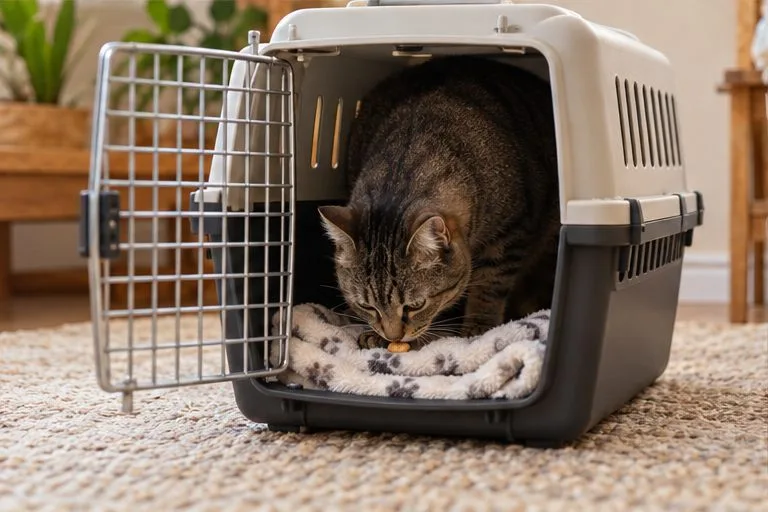
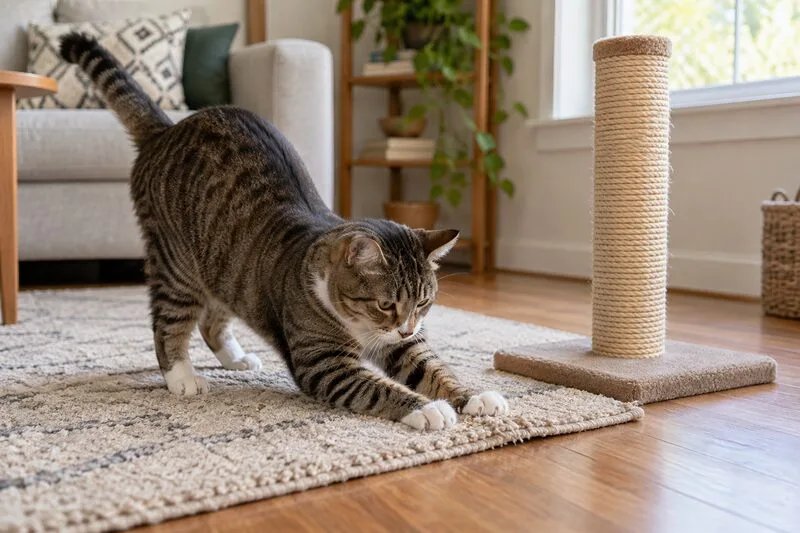
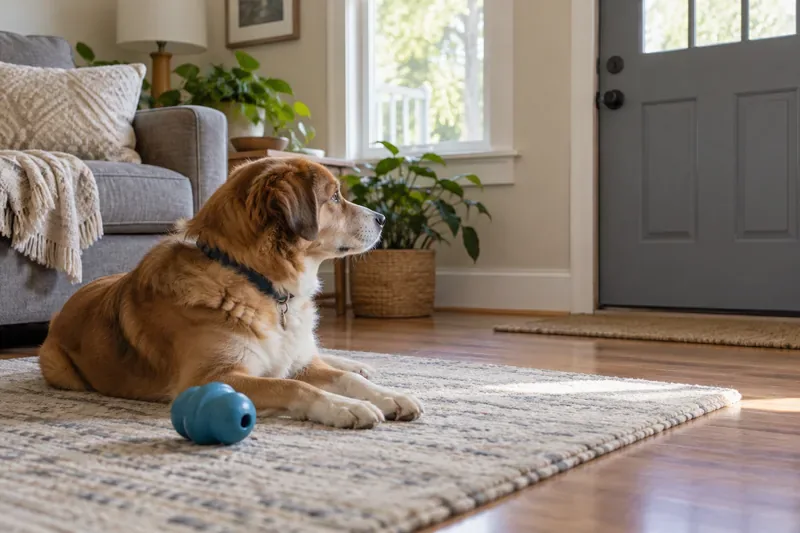
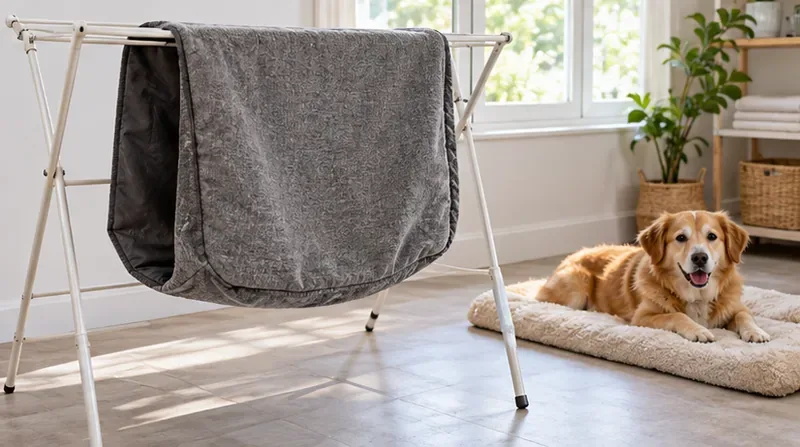
- Comfort items: a washable blanket or small bed, a familiar safe toy, and a scratching surface or hideaway for a cat. Ask first before sending a favorite item that is fragile, difficult to clean, or hard to replace.
- Handling and travel gear: a properly fitted collar or harness, leash, carrier, and any safe weather gear the pet already uses. Include a backup leash if the sitter will walk the dog. Do not rely on a loose collar as the only restraint.
- Bathroom and cleanup supplies: waste bags for dogs; a litter pan, the usual litter, and scoop for cats; or the normal bedding and cleaning tools for a small animal. Add paper towels, a few cleaning cloths, and a pet-safe cleaner that the sitter knows how to use.
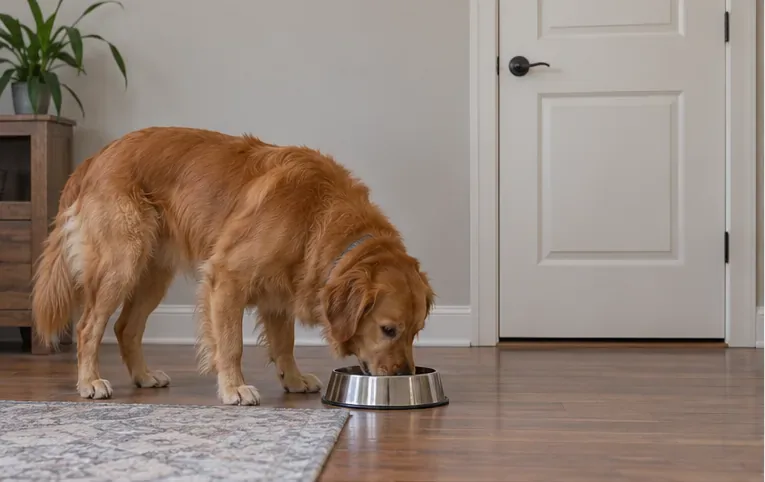
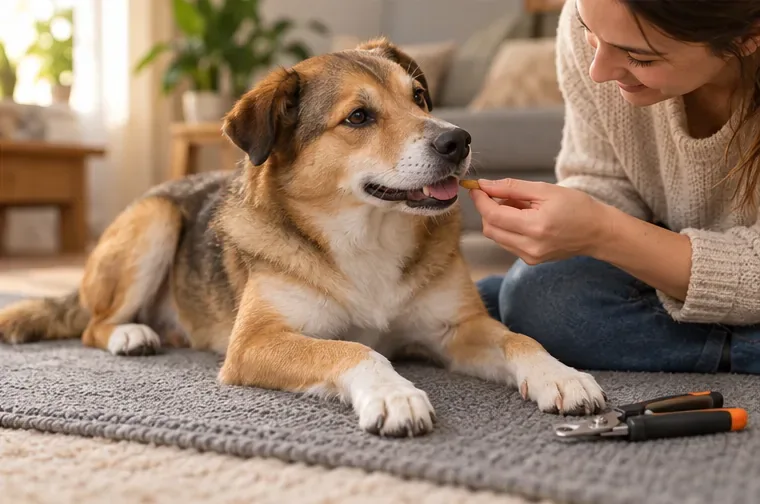
- Grooming and daily tools: the brush, nail or coat-care tool the pet tolerates, feeding or water bowls if the sitter does not have suitable ones, and any special harness or mobility aid.
- Habitat items for other species: write down normal light, temperature, filtration, or enclosure routines for fish, birds, reptiles, and small mammals. Bring only the equipment and supplies the sitter has agreed to manage, and demonstrate any setup that is not self-explanatory.
For a stay at the sitter’s home, pack a secure carrier for cats and small pets, and let the sitter know if the pet may chew, scratch, climb, or try to escape. For care in your home, label where the carrier, cleanup kit, towels, and spare supplies are stored. The sitter should not have to search through closets during a stressful moment.
Step 4: Make access and communication easy
If the sitter is coming to your home, test the key, door code, alarm instructions, and parking or building entry before you leave. Explain how to lock up, which doors must stay closed, and where a carrier is located. Share access details through a private channel, and remove or change temporary access afterward when appropriate.
Agree on check-in timing and format. A brief message or photo can confirm that a visit happened, but decide what the sitter should do if a check-in is missed or the pet refuses food, vomits, has diarrhea, escapes, or seems injured. Tell the sitter to call you and the backup contact, then the veterinarian or emergency clinic when the situation warrants it. Do not ask the sitter to diagnose symptoms or give a new treatment without veterinary direction.
Before you leave: do a quick handoff
- Walk through the care sheet and show where the labeled kit is stored.
- Have the sitter practice the leash, carrier, door, or enclosure routine that will be used.
- Confirm phone numbers, the backup decision-maker, veterinary clinic details, and the emergency plan.
- Point out hazards, escape routes, shutoffs, and any rooms the pet must not enter.
- Leave the supplies the sitter agreed to handle, and take home anything they cannot safely store.
Avoid last-minute surprises: do not introduce a new toy, unfamiliar treat, untested harness, or new routine right before leaving. Avoid leaving loose human medications, unsafe chew items, or cleaning products where the pet can reach them. For emergency planning, the AVMA pet first-aid brochure emphasizes contacting a veterinarian or emergency hospital for urgent problems; a sitter’s kit should support prompt veterinary care, not replace it.
A simple packing checklist
- One-page routine, behavior, and house-rules sheet for each pet
- Owner itinerary, reachable phone number, and backup contact
- Regular vet and emergency clinic contacts, plus confirmed care authorization
- Recent pet photo, ID details, and current microchip registry information
- Familiar bedding or toy and the pet’s normal handling equipment
- Species-specific bathroom, cleanup, grooming, and habitat supplies
- Tested key or entry instructions if the sitter is caring for the pet at home
A useful pet-sitter pack is not the largest bag; it is the set of information and familiar tools that lets another person repeat the pet’s normal routine and respond calmly if plans change. Confirm the sitter can find everything, keep emergency contacts visible, and tailor the kit to the pet and care setting.