How to Find a Hidden Water Leak Under a Sink: A Simple, Safe Check
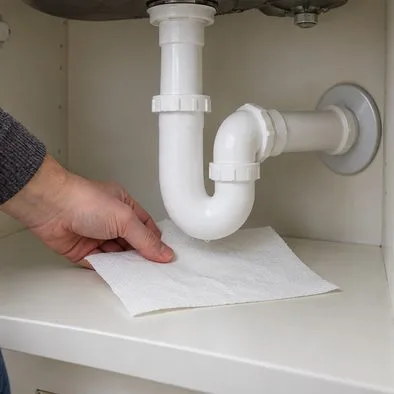
Use dry paper towels and four focused checks to find a hidden sink leak, tell supply leaks from drain leaks, and know when to call a plumber.
In a small home, the most reliable way to control entryway clutter is to give everyday items a specific landing place, limit how many stay by the door, and keep the walking route clear. You do not need a larger closet to make the space work. A narrow shelf, a few hooks, and a shoe tray can help when they match what your household actually brings in.
Start by watching what piles up for a few days. Then remove what does not belong in the entryway, place storage where each item is naturally set down, and add a brief reset to an existing routine. The goal is not a permanently empty foyer; it is an entry that is easy to use and does not turn into a trip hazard.
Before buying organizers, notice which objects collect near the door: shoes, coats, backpacks, reusable bags, keys, mail, packages, sports gear, or things that need to leave the house. The repeated pile often points to a missing destination. If a bag is always dropped on a chair, a hook or shelf may be missing. If mail spreads across the floor, it may need a small sorting place and a regular removal time.
Take everything out of the entryway and sort it into a few practical groups: items used most days, items that belong in another room, items to return or donate, and trash or recycling. Keep the sorting area small so the cleanout itself does not become a new long-term pile. Utah State University Extension suggests starting with one small area rather than trying to organize an entire home at once. Its decluttering guidance also emphasizes that there is no single right approach for every household.
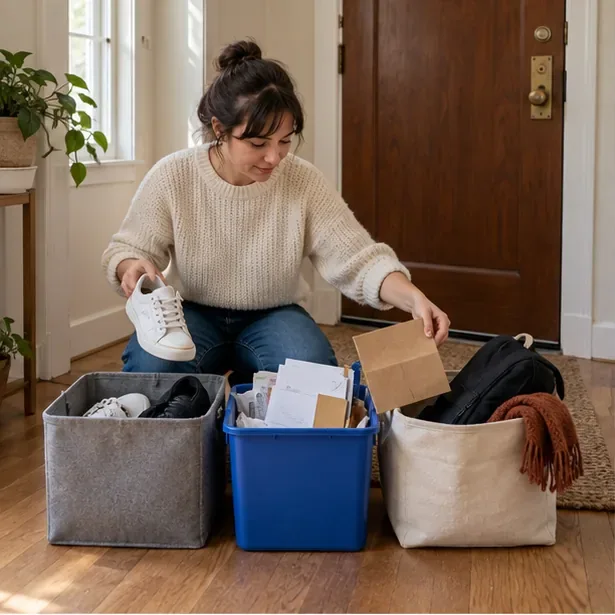
Choose storage based on the action you want to make easy. Put keys in a shallow tray or on a hook near the door. Give each person a hook or a clearly defined spot for the bag or coat they use most. Keep mail in one upright holder or small basket, and decide when it gets sorted. A landing place should be easy to reach while carrying groceries or managing a child, but it should not sit in the door swing or narrow the walking path.
In a rental or a home where drilling is not practical, use a small freestanding shelf, a stable basket, or an over-the-door organizer only if the door still opens and closes safely. Check weight limits and installation directions for any mounted hardware. Avoid placing heavy objects on high shelves, and do not attach hooks where they could damage a door or block access to a lock.
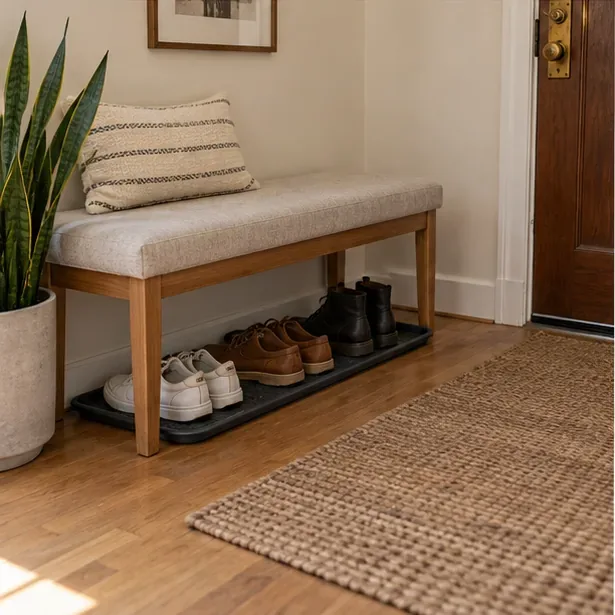
Shoes often occupy more floor area than expected. Keep only the pairs used in the current weather or daily routine near the entrance; store seasonal or occasional pairs elsewhere. A washable boot tray or a slim shoe rack can contain the pairs that remain. If the tray is consistently full, treat that as a signal to rotate or relocate shoes rather than add another row that crowds the path.
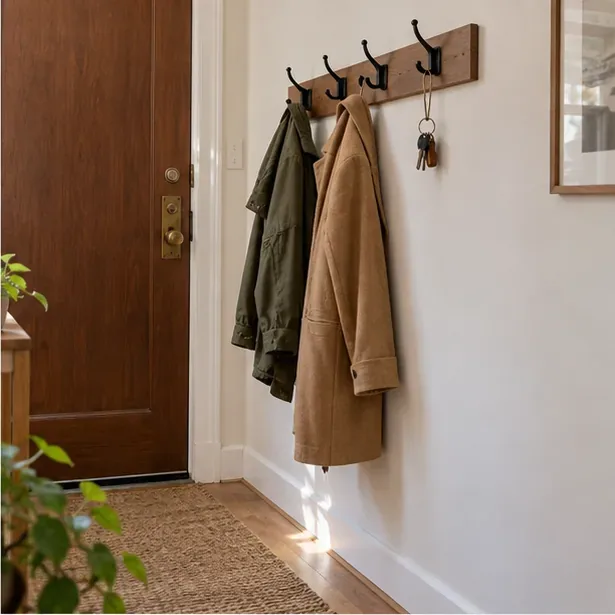
For coats, reserve hooks for frequently worn outerwear. Move off-season coats and special-occasion items to a closet or a labeled storage bin in another room. In a household with children, a lower hook may help them put away their own jacket, while heavier adult bags stay on stronger, properly secured hardware.
Mail, returns, library books, and packages need a short-term holding spot, not indefinite storage. Use one small basket for items that must leave the home and one container for mail that still needs attention. Attach a simple rule to the space: sort mail on a chosen day, and take outgoing items when you next leave. Recycle junk mail promptly and move documents that need to be kept to their proper home.
Limit each container to what fits inside it. If the basket overflows, decide which item has been waiting too long and take action; do not solve the problem by adding a larger basket. A slim shelf with one key tray and one mail basket can keep small objects together without turning the entryway into a storage room.
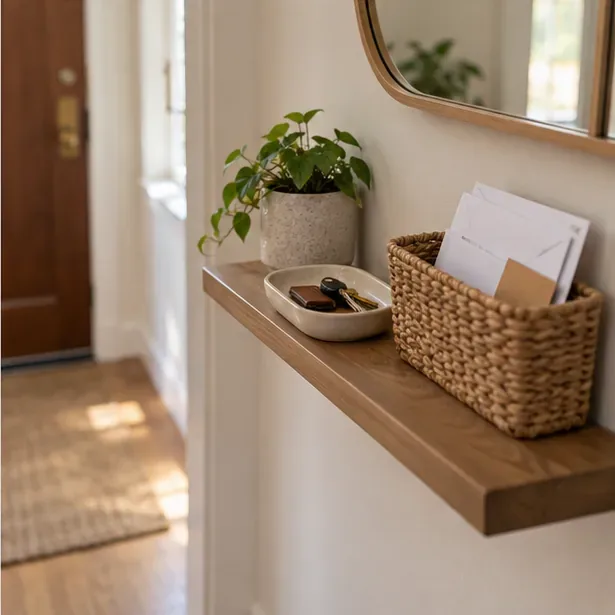
Storage should not prevent the front door from opening fully, obscure the lock, or force people to step over shoes and bags. Keep the path from the doorway into the home clear, especially if someone uses a cane, walker, wheelchair, stroller, or carries bulky items. Avoid loose rugs that curl at the edges; if you use a mat, choose one that lies flat and stays in place.
Clear paths are also part of home safety. The National Fire Protection Association’s home fire-safety sheet warns that blocked pathways and exits can hinder escape. The Consumer Product Safety Commission’s home-safety checklist also recommends keeping stairs clear and removing loose carpets and cords that could cause trips. Those sources focus on safety rather than entryway design, but the principle applies: keep items contained and leave the route usable.
A short routine is easier to maintain than a major reorganization every few months. When you come home, put keys in their tray, hang up the coat or bag, and place shoes in the tray. Before bed, return anything that migrated to the floor or bench to its assigned room. Once a week, sort the mail holder and remove items that no longer belong there.
Check the system after a week or two. Can everyone find keys? Can the door open without moving a pile? Are the hooks and shoe tray easy to use, or do items still land on the floor? If clutter keeps returning in one spot, adjust the setup: move the hook closer to where bags are dropped, make the mail basket smaller, or relocate an item that is rarely used. Repeated overflow usually means the category limit or item location needs to change.
A good setup leaves a clear route, holds the items your household uses regularly, and gives everything else a destination elsewhere. It should be simple enough that people can put things away without rearranging several objects first. Keep storage proportional to the space: a few hooks, a contained shoe area, and a small landing shelf may be all that fits comfortably.
There is no universal organizer that suits every doorway. Door swing, household size, mobility needs, weather, and rental restrictions all affect what works. If a new shelf or rack makes the entrance harder to use, return to a smaller footprint. The best entryway clutter system is the one that preserves safe access and is easy to reset every day.
Use dry paper towels and four focused checks to find a hidden sink leak, tell supply leaks from drain leaks, and know when to call a plumber.
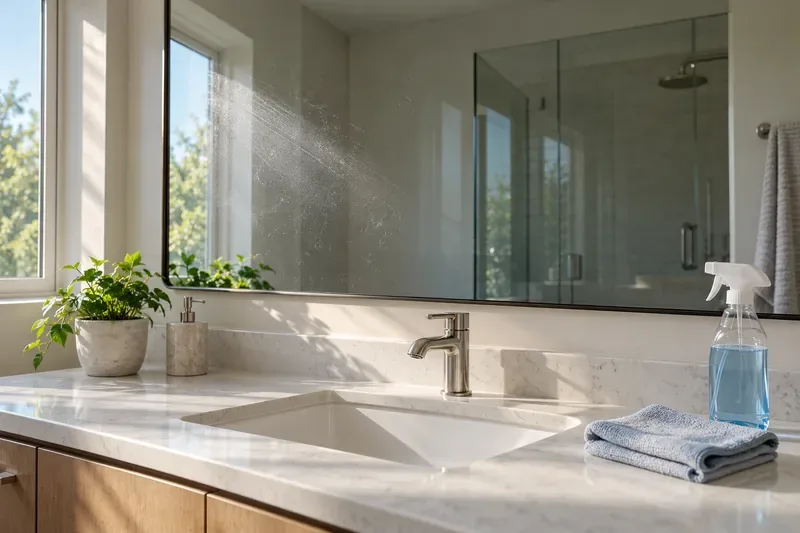
Bathroom mirror streaks often come from residue, dirty cloths, excess cleaner, or dried water. Find the likely cause and a gentle way to fix it.
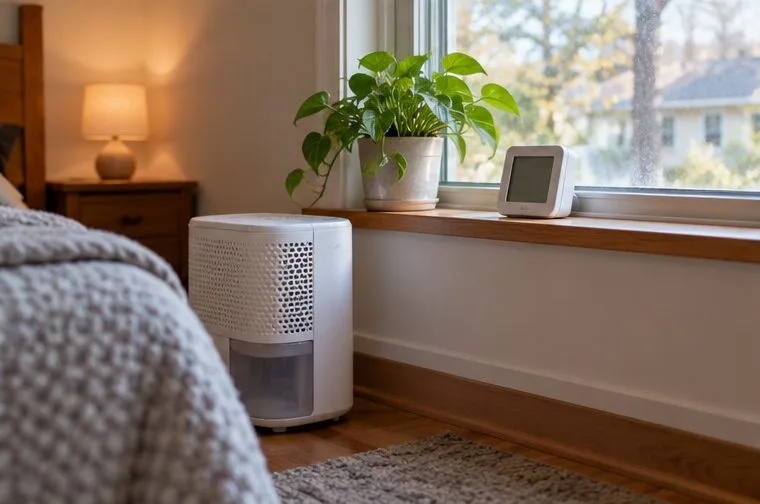
Reduce overnight window condensation by controlling indoor moisture, improving airflow, monitoring humidity, and knowing when the window itself needs attention.
Reduce cooking and kitchen odors without fragrance by improving ventilation, cleaning grease and food residue, managing waste, and finding persistent odor sources.
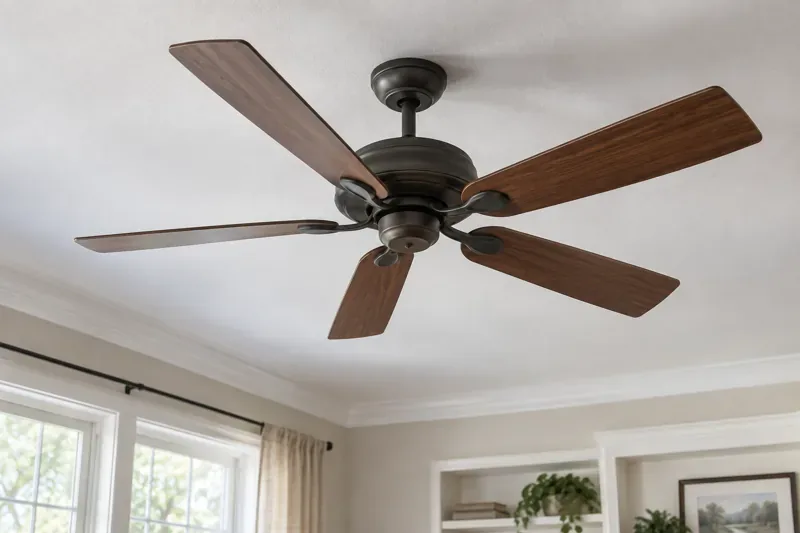
Learn why ceiling fans wobble, which warning signs mean turn it off, and what you can safely check before calling an electrician.
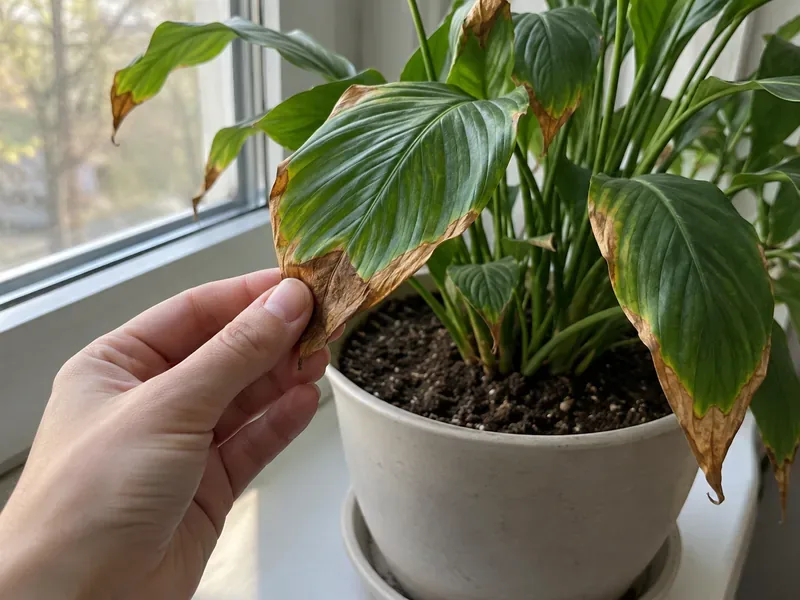
Learn why indoor plant leaves turn brown at the edges, how to read clues about watering, humidity, salts, and light, and when to seek expert help.
Keep stored clothes dry without mothballs: measure closet humidity, reduce moisture at the source, dry garments fully, choose suitable storage, and inspect for mold.
Musty towels often point to lingering moisture, washer residue, or slow drying. Learn how a hypothetical laundry example helps narrow the cause and what to change first.
Keep balcony plants hydrated during a short trip with a plan based on pot size, plant needs, sun, and wind. Compare wicks, self-watering pots, and plant sitters.
Move a heavy houseplant safely without scratching hardwood, denting flooring, spilling soil, or straining your back. Use a protected path, a dolly, and a controlled team lift.