How to Find a Hidden Water Leak Under a Sink: A Simple, Safe Check
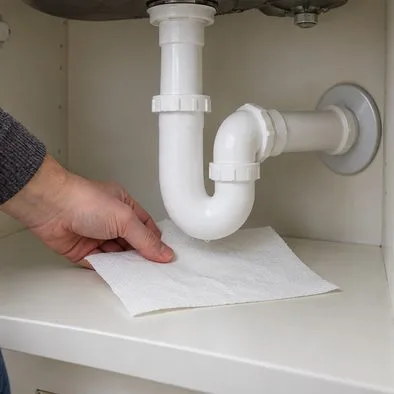
Use dry paper towels and four focused checks to find a hidden sink leak, tell supply leaks from drain leaks, and know when to call a plumber.
To reduce kitchen odors without covering them with fragrance, remove what is producing the smell, then move the remaining air outside when you can. A scented candle, spray, or diffuser may add another smell to the room; it does not clean grease, spoiled food, or a dirty filter. A practical routine is to ventilate while cooking, clean splashes and filters regularly, keep food waste contained, and investigate odors that return after cleaning.
The steps below separate what is well established from what depends on your home. For example, the U.S. Environmental Protection Agency (EPA) recommends using an exhaust hood or fan that sends air outdoors when possible and routinely cleaning surfaces, appliances, and the hood’s grease filter. How much this helps depends on whether the hood actually exhausts outdoors, how well it captures air from your cooktop, and whether the odor has another source. EPA’s cooking and indoor-air guidance gives the ventilation and cleaning basics.
Turn on the range hood before cooking, keep it running while you cook, and leave it on briefly afterward so it can clear lingering air. Use the burners beneath the hood when practical, especially for frying, searing, or cooking foods with a strong aroma. If there is no hood, or it does not exhaust outdoors, an open window and a window exhaust fan can help when outdoor air and weather conditions make that safe and comfortable. Create an airflow path toward the fan rather than relying on a closed room’s recirculating air.
Verified: EPA guidance recommends exhausting indoor air outdoors through a range hood or other exhaust fan where possible. It also notes that ventilation should be combined with controlling and cleaning sources. It depends: a ducted hood moves air outdoors; a recirculating model sends filtered air back into the room, and its performance depends on the filter and the appliance design. Consult the model’s manual for filter care and replacement. Do not assume every hood has an outdoor duct. Try this: check the manual or look for an exterior vent outlet, then clean or replace filters on the schedule specified by the manufacturer. EPA’s source-control guidance likewise advises venting a range hood outdoors if possible.
Use a lid or splatter screen where appropriate, avoid letting food or oil scorch, and wipe fresh splashes after the cooktop has cooled. Cooking odors often linger because tiny droplets of oil and food particles land on nearby surfaces; later heat can make old residue smell again. Clean the cooktop, backsplash, nearby counter edges, and the underside or nearby surfaces around the hood with a cleaner suitable for each material. Follow appliance instructions and let surfaces dry.
Common misconception: a stronger scented cleaner is not a substitute for removing greasy residue. The EPA’s practical advice is to clean cooking surfaces, appliances, and the grease filter as part of improving indoor air while cooking. A plain dish-soap solution may be sufficient for ordinary fresh grease on many washable surfaces, but the right product depends on the surface and manufacturer instructions. Try this: after the stovetop cools, wipe a small area with a damp cloth and a surface-appropriate cleaner; rinse or dry as directed so residue does not remain. See the EPA’s recommended cooking-area cleaning steps.
A hood can be running and still do a poor job if its filter is coated with grease or its airflow is obstructed. Turn the hood off and follow the manufacturer’s directions for removing, washing, or replacing the filter. Some metal filters can be washed; other filters, including many charcoal filters used in recirculating hoods, may require replacement rather than washing. These details vary by model, so do not treat one filter’s care instructions as universal. Wipe accessible grease from the hood’s exterior and nearby surfaces with a suitable cleaner.
Verified: EPA specifically recommends routine cleaning of the range hood’s grease filter. Unknown until you check: the filter type, cleaning method, replacement interval, and whether your hood vents outdoors. Try this: find the appliance model number and use its manual; if the hood still performs poorly after filter maintenance, check for a blocked or disconnected duct with a qualified technician rather than dismantling ductwork yourself.
Close food scraps in a lidded bin, empty it before waste sits for too long, and wash the bin if liquid or residue has collected inside. Rinse or clean reusable containers before putting them away. In the refrigerator, remove spoiled or leaking food, wipe spills promptly with hot, soapy water, and clean shelves and door seals. The U.S. Department of Agriculture’s Food Safety and Inspection Service (USDA FSIS) recommends keeping the refrigerator clean and notes that an open box of baking soda can help with refrigerator odors. Baking soda is a supporting measure; it does not replace removing the spill or spoiled item. USDA FSIS refrigerator guidance explains cleaning and odor control.
Odor alone cannot reliably tell you whether food is safe: USDA FSIS explains that disease-causing bacteria generally do not change food’s taste, smell, or appearance. Follow safe storage times and temperature guidance rather than tasting food to decide. Try this: check the date and storage history, discard food when safety guidance says to, and clean the spot where it was stored. If a refrigerator odor follows a power outage or spoiled food, use the agency’s more detailed instructions for removing odors from refrigerators and freezers.
Judge the result by whether the underlying smell fades after cleaning and ventilation, not by whether the kitchen smells perfumed. If the odor returns, note when it happens and where it is strongest; that pattern can help narrow the source. Avoid mixing cleaning products: CDC guidance says never to mix household bleach or other disinfectants with other cleaners. Read CDC’s bleach safety instructions and follow labels.
A strong sulfur or “rotten egg” odor can indicate a natural-gas leak, rather than a cooking odor. If you suspect gas, leave immediately; do not operate switches or use a phone inside. Call emergency services or the gas utility from outside. The U.S. Consumer Product Safety Commission gives this advice for suspected gas leaks. See CPSC gas-safety guidance. A persistent burning-plastic or electrical odor also deserves prompt attention: stop using the appliance if safe to do so and contact a qualified technician. Routine odor-control steps are not a substitute for investigating a possible hazard.
Use dry paper towels and four focused checks to find a hidden sink leak, tell supply leaks from drain leaks, and know when to call a plumber.
Bathroom mirror streaks often come from residue, dirty cloths, excess cleaner, or dried water. Find the likely cause and a gentle way to fix it.
Reduce overnight window condensation by controlling indoor moisture, improving airflow, monitoring humidity, and knowing when the window itself needs attention.
Reduce cooking and kitchen odors without fragrance by improving ventilation, cleaning grease and food residue, managing waste, and finding persistent odor sources.
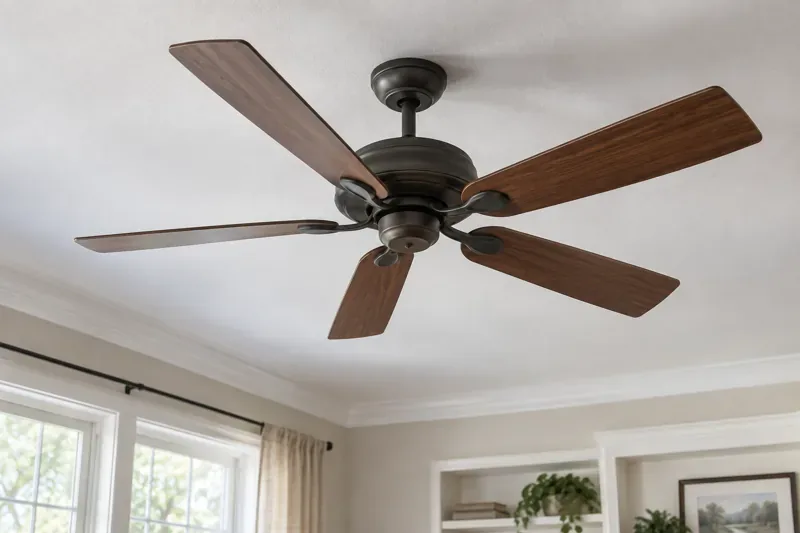
Learn why ceiling fans wobble, which warning signs mean turn it off, and what you can safely check before calling an electrician.
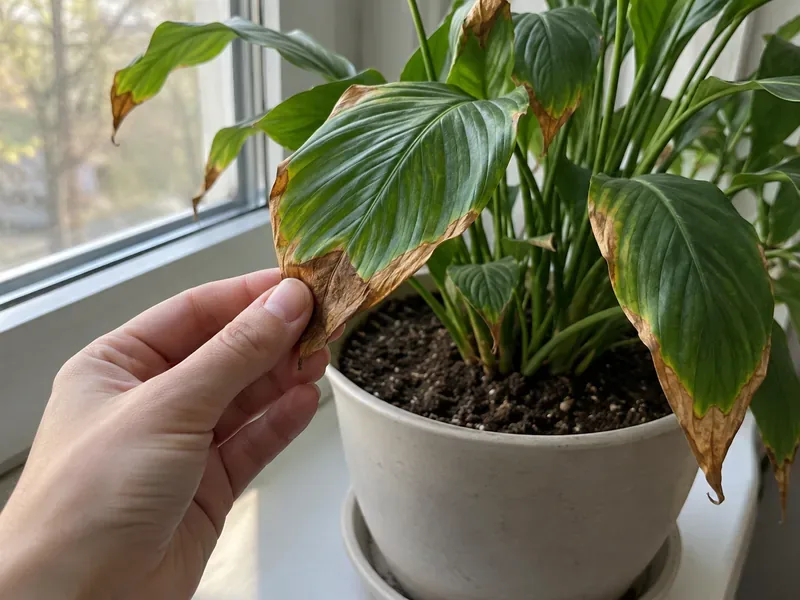
Learn why indoor plant leaves turn brown at the edges, how to read clues about watering, humidity, salts, and light, and when to seek expert help.
Keep stored clothes dry without mothballs: measure closet humidity, reduce moisture at the source, dry garments fully, choose suitable storage, and inspect for mold.
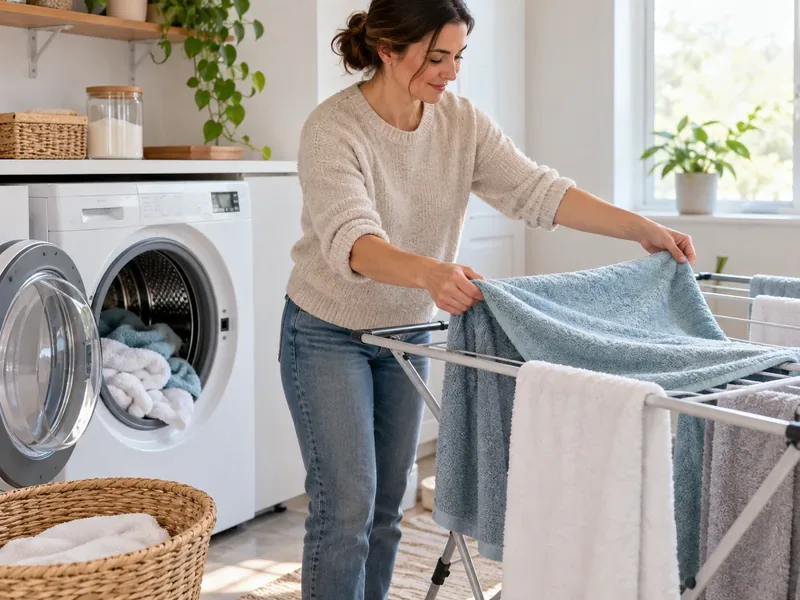
Musty towels often point to lingering moisture, washer residue, or slow drying. Learn how a hypothetical laundry example helps narrow the cause and what to change first.
Keep balcony plants hydrated during a short trip with a plan based on pot size, plant needs, sun, and wind. Compare wicks, self-watering pots, and plant sitters.
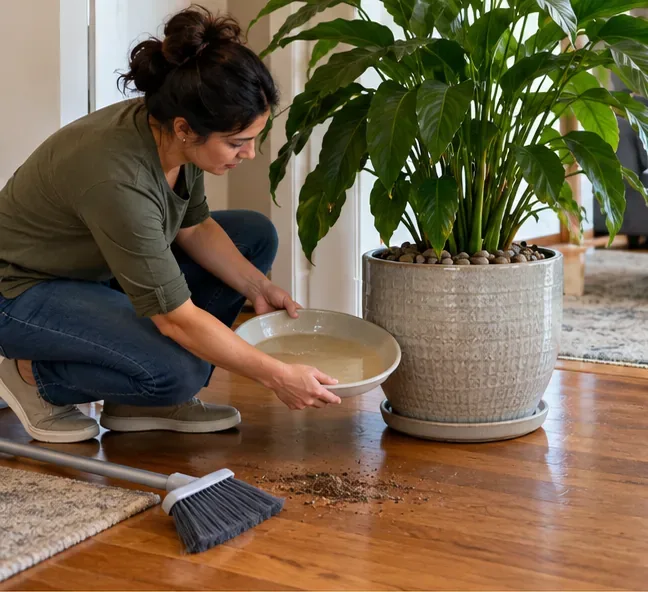
Move a heavy houseplant safely without scratching hardwood, denting flooring, spilling soil, or straining your back. Use a protected path, a dolly, and a controlled team lift.