Why Does a Bathroom Mirror Keep Streaking After Cleaning?

Bathroom mirror streaks often come from residue, dirty cloths, excess cleaner, or dried water. Find the likely cause and a gentle way to fix it.
A bathroom mirror usually streaks because residue is being moved around or left behind as the surface dries. The most common culprits are a dirty or lint-shedding cloth, too much cleaner, hard-water or soap deposits, and wiping while the mirror is hot or steamy. A practical fix is to remove any oily film first, use a small amount of a mirror-safe cleaner or clean water, and buff the glass completely dry with a clean lint-free cloth. If a mark stays in the same place after gentle cleaning, it may be damage rather than residue.
| What you notice | Likely explanation | What to try |
|---|---|---|
| Long lines that follow the cloth’s path | A damp, dirty, or linty cloth; too much cleaner; or cleaner drying before it is buffed | Switch to a clean, dry lint-free cloth and finish one small area at a time. |
| White dots or a hazy film near the faucet or lower edge | Dried splashes, soap, toothpaste, or mineral residue from water | Lift the film with a lightly damp cloth and dry promptly. Avoid abrasive pads. |
| Greasy-looking smears that return when viewed from another angle | Oils from fingerprints, hair products, cosmetics, or residue from a previously used cleaner | Use a small amount of suitable glass cleaner on the cloth, then buff with a fresh dry section. |
| Dark spots, cloudy patches, or a blackened edge that will not wipe away | Possible deterioration of the mirror backing or edge, rather than surface dirt | Stop scrubbing; check the mirror’s care instructions and consider asking a glass professional. |
This table is a troubleshooting guide, not a diagnosis of the mirror. A mirror’s coating, frame, and manufacturer instructions can affect which products are safe.
A cloth can look clean but still hold detergent, fabric softener, dust, or lint. As it moves across glass, it spreads that residue into thin lines. A cloth used on a countertop, mirror frame, or shower door may also carry oils or soap. Glass maker Guardian notes that cloths and water should be changed frequently to avoid contaminating the surface and causing streaks. Use a clean cloth reserved for glass, and turn it to a fresh side as it gets damp or dirty.
Extra spray does not necessarily clean better. A heavy wet layer can dry unevenly, especially in a warm or humid bathroom, leaving visible traces of the cleaner’s ingredients. Spraying directly on the mirror can also send liquid toward the edges, where it may affect the backing on some mirrors. Mirror fabricator D&W recommends applying household glass cleaner to a lint-free cloth, then wiping and drying the mirror immediately. Follow the mirror maker’s directions if available; products and coatings vary.
Bathroom mirrors collect fine splashes and products that ordinary glass cleaner may smear if they are not lifted first. Toothpaste, hairspray, gel, cosmetics, and fingerprints can leave a film that catches light as streaks. Kärcher’s mirror-cleaning guidance distinguishes light, water-soluble dirt from heavier product residue and recommends a soft damp cloth for the latter. Work gently, use a clean cloth, and avoid scraping or abrasive scouring pads that can scratch glass or damage coatings.
When splashes evaporate, dissolved minerals can remain as pale dots or a cloudy ring, especially around the sink. Repeatedly polishing over deposits can spread them into a haze. Dampen the marks rather than dry-rubbing them, then wipe and dry the surface. If a deposit does not lift with gentle cleaning, do not escalate immediately to a razor blade, abrasive powder, or strong acid; check the mirror’s manufacturer instructions first.
Cleaner dries faster on a warm surface, in direct sunlight, or while steam is condensing and evaporating. That shortens the time available to wipe away residue. Let the mirror cool and the bathroom clear of steam, then clean a manageable section and dry it before moving on. Improving ventilation after a shower can reduce lingering humidity; the U.S. Environmental Protection Agency advises increasing ventilation during and after indoor cleaning when possible.
Do not combine glass cleaner with bleach, ammonia, vinegar, or another household product. The EPA’s general cleaning guidance is to avoid mixing cleaning products and to increase ventilation during and after cleaning when practical. Read the product label and use one product at a time.
Surface dirt usually shifts, fades, or disappears when cleaned gently. Damage tends to remain fixed and may look like dark pinpoints, a black edge, or a cloudy area that seems beneath the reflective surface. Moisture or chemicals reaching an unprotected edge can harm some mirror backings over time; both D&W’s mirror-care instructions and Kärcher’s guidance caution against leaving liquid at the edges. An older mirror, a mirror with a damaged frame, or one with persistent spots may need professional assessment or replacement rather than stronger cleaner.
For product-specific advice, consult the mirror manufacturer. These references were checked October 1, 2026: D&W’s mirror care and handling guidance, Kärcher’s mirror-cleaning guidance, Guardian Glass maintenance guidance, and the EPA’s indoor cleaning ventilation guidance. Guardian’s document covers its Clarity coated glass, not every household mirror, so use it only for the general points about clean cloths, contamination, and drying—not as a universal mirror product specification.
Bathroom mirror streaks often come from residue, dirty cloths, excess cleaner, or dried water. Find the likely cause and a gentle way to fix it.
Reduce overnight window condensation by controlling indoor moisture, improving airflow, monitoring humidity, and knowing when the window itself needs attention.
Reduce cooking and kitchen odors without fragrance by improving ventilation, cleaning grease and food residue, managing waste, and finding persistent odor sources.
Learn why ceiling fans wobble, which warning signs mean turn it off, and what you can safely check before calling an electrician.
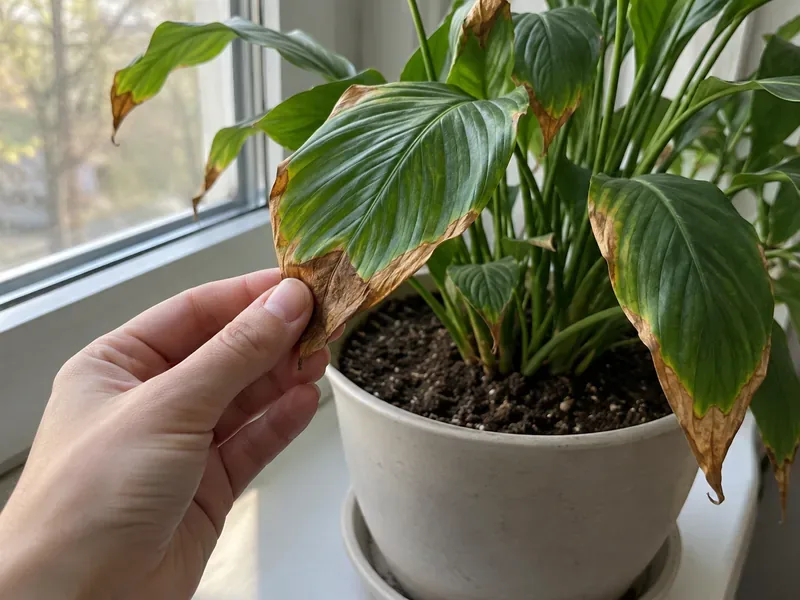
Learn why indoor plant leaves turn brown at the edges, how to read clues about watering, humidity, salts, and light, and when to seek expert help.
Keep stored clothes dry without mothballs: measure closet humidity, reduce moisture at the source, dry garments fully, choose suitable storage, and inspect for mold.
Musty towels often point to lingering moisture, washer residue, or slow drying. Learn how a hypothetical laundry example helps narrow the cause and what to change first.
Keep balcony plants hydrated during a short trip with a plan based on pot size, plant needs, sun, and wind. Compare wicks, self-watering pots, and plant sitters.
Move a heavy houseplant safely without scratching hardwood, denting flooring, spilling soil, or straining your back. Use a protected path, a dolly, and a controlled team lift.
Keep a small entryway clear with simple landing zones, limited shoe and coat storage, a quick reset routine, and a safe path through the door.