Why Does a Bathroom Mirror Keep Streaking After Cleaning?
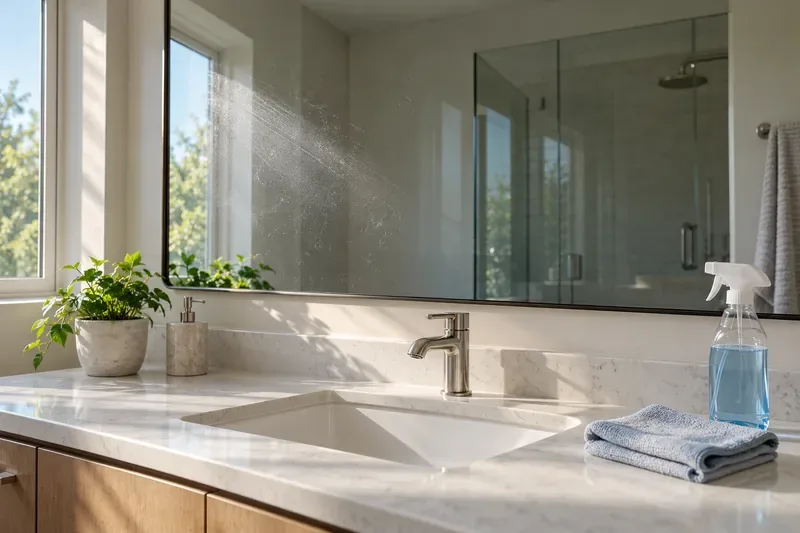
Bathroom mirror streaks often come from residue, dirty cloths, excess cleaner, or dried water. Find the likely cause and a gentle way to fix it.
To reduce condensation inside windows overnight, tackle both sides of the problem: lower excess indoor moisture and keep the room-side glass from becoming as cold. Start with bathroom and kitchen exhaust, check indoor humidity with a hygrometer, and let room air reach the glass by keeping curtains or blinds from sealing it off. Wiping the water in the morning protects the sill, but it does not remove the cause.
Condensation forms when humid indoor air touches a window surface that is colder than the air’s dew point. The balance depends on outdoor temperature, indoor moisture, airflow, and the window itself, so there is no single humidity setting that prevents condensation in every home.
| Option | Works best when | Trade-off to consider |
|---|---|---|
| Bathroom and kitchen exhaust | Condensation is worse after showers, cooking, or dishwashing. | Fans need to vent outdoors and work properly. They use electricity and make noise, but remove moisture near its source. |
| Hygrometer plus dehumidifier or air conditioning | Humidity stays high even after everyday moisture sources are reduced. | A hygrometer helps you measure rather than guess. Dehumidifiers add purchase, power, and maintenance costs; air conditioning can remove moisture in suitable conditions but may not solve a leak or cold-glass problem. |
| Airflow and window treatment changes | Water gathers behind closed curtains or blinds, especially at the bottom of the glass. | Opening coverings improves airflow but may reduce privacy, block less light, or affect room warmth at night. |
| Storm window, insulating film, or window repair | Condensation persists on cold glass despite reasonable humidity control, or the frame is drafty. | These options can improve comfort and reduce drafts, but require materials, installation effort, and sometimes landlord approval or professional assessment. |
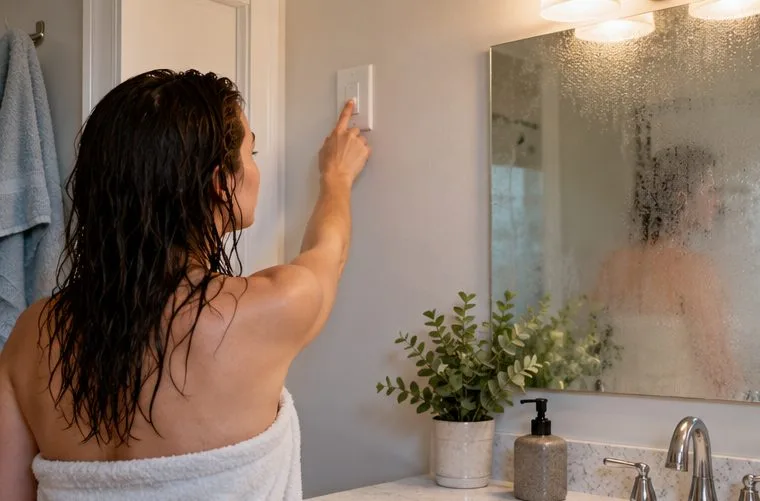
Showers, boiling water, cooking, dishwashing, breathing, and indoor laundry all add moisture to indoor air. Run bathroom and kitchen exhaust fans while those activities are happening and for a while afterward. ENERGY STAR recommends using kitchen and bath fans during showers or cooking and leaving them on for 20 minutes after the activity. Confirm that an exhaust fan sends air outdoors—not into an attic or another enclosed space. If a fan is noisy, weak, or does not seem to clear steam, it may need cleaning or repair.
In the kitchen, a vented range hood can remove moisture at the source. A recirculating hood may filter some particles or odors, but because it returns air to the room, it does not exhaust water vapor outdoors. Covering pans and choosing a lower boil can also reduce the amount of steam released.

Brief ventilation can lower indoor moisture when outdoor air is drier than the air inside. But outdoor relative humidity alone can be misleading because it changes with temperature; NOAA explains that dew point is a better indicator of the actual moisture in outdoor air. In warm, humid weather, opening a window can bring in more moisture. If the weather is damp or outdoor air has a higher dew point than indoor air, use a working exhaust fan, air conditioner, or dehumidifier instead of relying on an open window.
Place a small hygrometer in the room where condensation appears, away from a shower, radiator, humidifier, or direct sunlight. Check the reading at bedtime and again in the morning for several nights. A single reading can miss short humidity spikes, so a pattern is more useful.
The EPA advises keeping indoor relative humidity below 60% if possible, ideally between 30% and 50%. ENERGY STAR notes that in colder climates during heating season, a range around 30% to 40% may help prevent window condensation. These are reference ranges, not a guarantee: very cold nights, single-pane or poorly insulated windows, and closed coverings can still leave the glass cold enough for moisture to form.
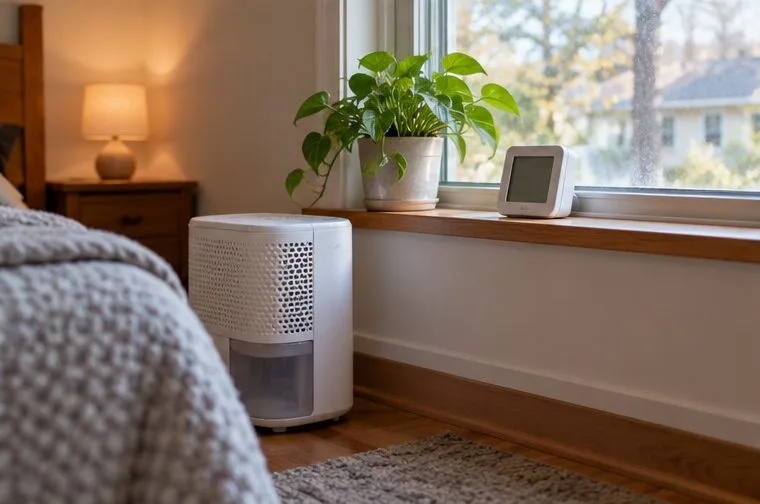
If you use a humidifier, lower its setting or switch it off when wet windows keep appearing. If the room remains damp after source control, a dehumidifier can help; ENERGY STAR recommends closing the windows and doors in the area while it runs and following the manufacturer’s placement and electrical-safety instructions. Avoid trying to force humidity as low as possible. Very dry air can be uncomfortable, and the appropriate level depends on the climate, window, and building.
Open curtains or blinds enough to let warmer room air move along the window at night. A tightly closed covering can create a colder pocket of air against the glass. ENERGY STAR recommends window treatments that allow airflow over the window surface. If condensation is concentrated around a drafty frame, inspect for obvious gaps and arrange suitable weatherstripping or repair. Storm windows and properly fitted insulating film can reduce drafts and may make the room-side window surface warmer, but follow product instructions and preserve any required ventilation.
Replacing a window is a larger investment. It may make sense if condensation is persistent, the window is very cold or drafty, or the unit is damaged. ENERGY STAR notes that certified windows can be more resistant to condensation, but even efficient windows can collect water in cold weather. Before paying for replacement, compare the cost with simpler steps such as repairing an exhaust fan, using a dehumidifier, or improving the existing window’s seal.
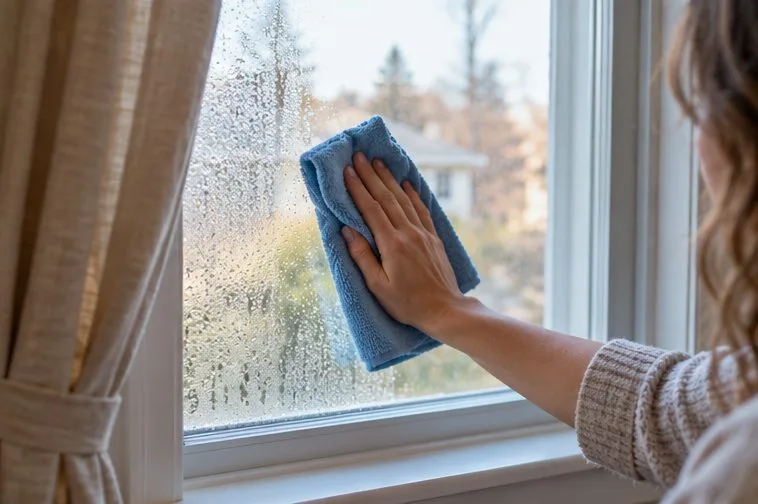
Wipe droplets from the inside pane and sill with a clean cloth so water does not sit on wood, paint, or trim. This is useful damage prevention, but repeated wiping without reducing moisture is only a temporary measure. The EPA advises drying wet surfaces promptly and reducing the moisture source. Check whether water returns after showers, cooking, or a cold night, and whether one window or several are affected.
A useful result is less water on the inside glass and sill over several nights, with indoor humidity no longer staying unusually high. If the room’s humidity improves but one window continues to collect heavy water, the glazing, frame, airflow, or a hidden moisture source may need attention. No ventilation or humidity setting can guarantee dry glass in every home and every weather condition.
Bathroom mirror streaks often come from residue, dirty cloths, excess cleaner, or dried water. Find the likely cause and a gentle way to fix it.
Reduce overnight window condensation by controlling indoor moisture, improving airflow, monitoring humidity, and knowing when the window itself needs attention.
Reduce cooking and kitchen odors without fragrance by improving ventilation, cleaning grease and food residue, managing waste, and finding persistent odor sources.
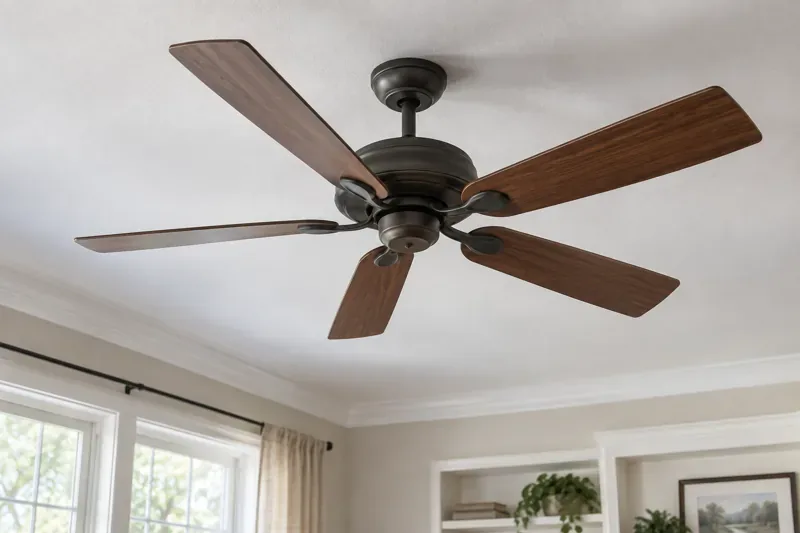
Learn why ceiling fans wobble, which warning signs mean turn it off, and what you can safely check before calling an electrician.
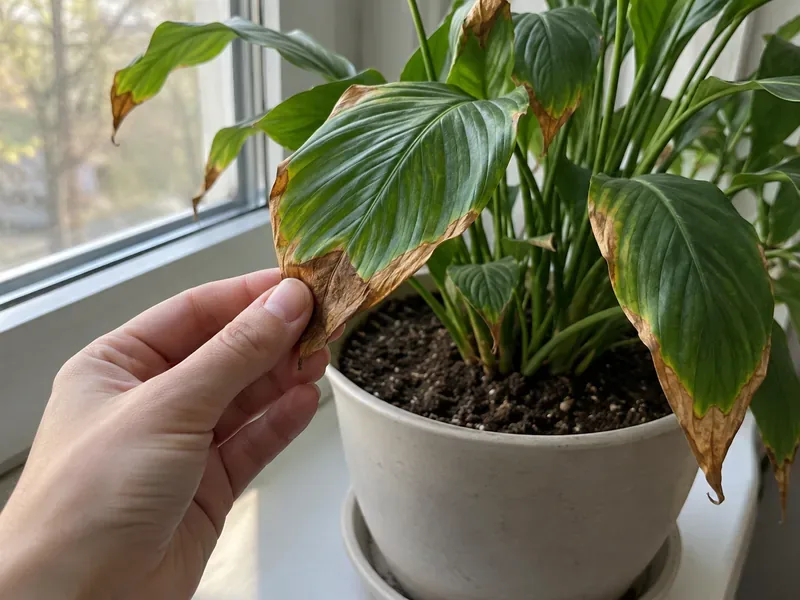
Learn why indoor plant leaves turn brown at the edges, how to read clues about watering, humidity, salts, and light, and when to seek expert help.
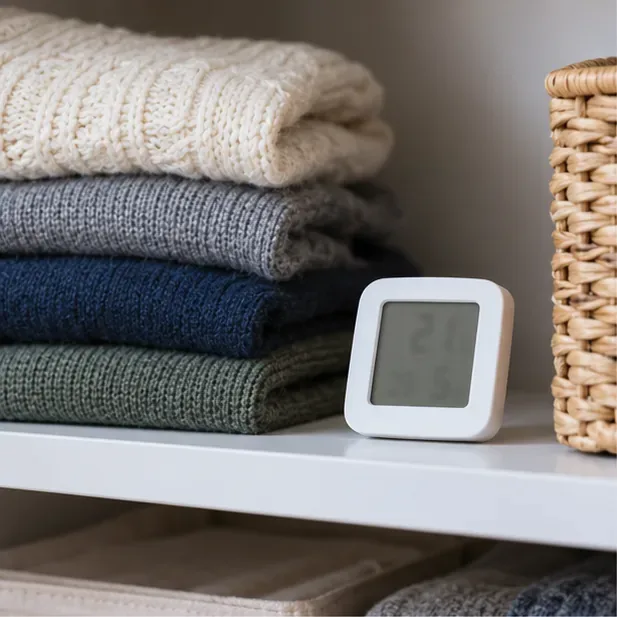
Keep stored clothes dry without mothballs: measure closet humidity, reduce moisture at the source, dry garments fully, choose suitable storage, and inspect for mold.
Musty towels often point to lingering moisture, washer residue, or slow drying. Learn how a hypothetical laundry example helps narrow the cause and what to change first.
Keep balcony plants hydrated during a short trip with a plan based on pot size, plant needs, sun, and wind. Compare wicks, self-watering pots, and plant sitters.
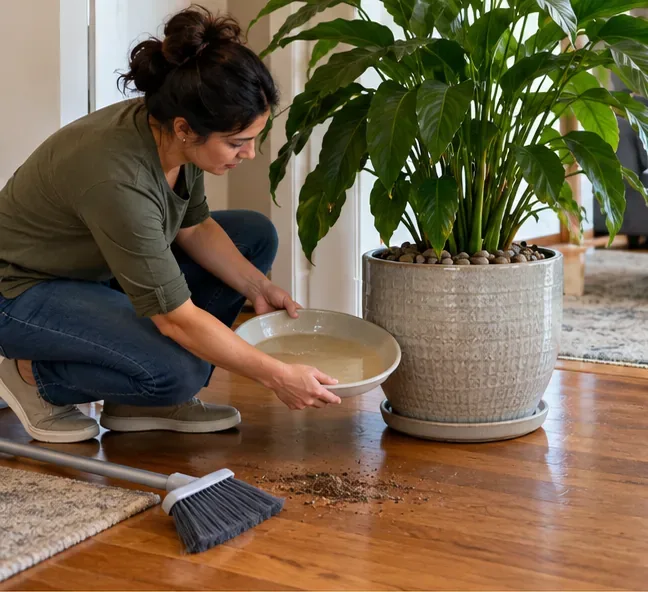
Move a heavy houseplant safely without scratching hardwood, denting flooring, spilling soil, or straining your back. Use a protected path, a dolly, and a controlled team lift.
Keep a small entryway clear with simple landing zones, limited shoe and coat storage, a quick reset routine, and a safe path through the door.