What to Pack for a Pet Sitter Besides Food and Medicine
Prepare a pet-sitter kit with care instructions, emergency contacts, comfort items, cleanup supplies, ID details, and home-access notes—plus a practical handoff checklist.
Every now and then, a dog playing near a fishing pond will get stuck with a fishhook left by a careless fisherman. As you can imagine, a fishhook can be very painful, particularly if the hook is in the foot and the dog has come running to you or tried to remove it with her mouth and got it lodged there instead.
Start by calming the dog down with gentle words and quiet motions. Getting your veterinarian to remove the hook is best, but if you don’t have access to a vet, you can push the hook through the skin until the tip and barb come back out. Then cut the hook and barb off and back the rest of the hook out the way it came. Treat the wound.
If your dog swallows a fishhook, cut most of the remaining fishing line off, leaving approximately 12 inches dangling. Do not attempt to dislodge the fishhook by pulling on the line. Take your dog to a veterinarian immediately. Do not allow your dog to eat in the meantime.
Prepare a pet-sitter kit with care instructions, emergency contacts, comfort items, cleanup supplies, ID details, and home-access notes—plus a practical handoff checklist.
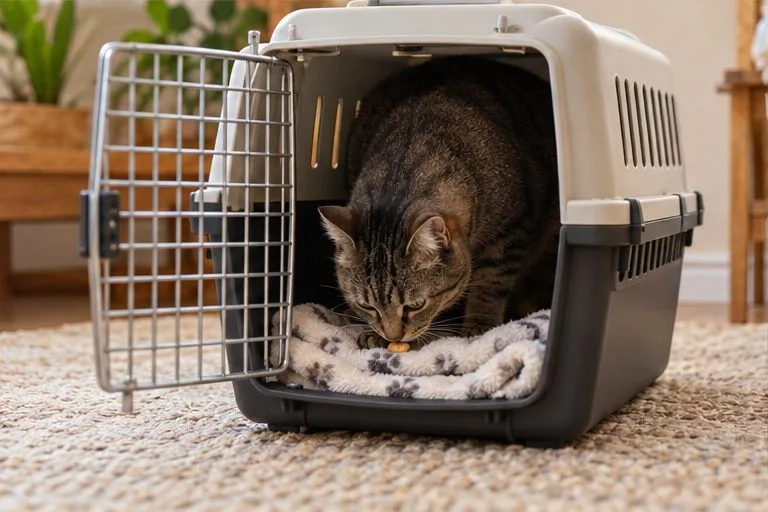
Learn how to choose a cat carrier, build comfort with gradual reward-based practice, and prepare for a safer, less stressful veterinary trip.
A rabbit that skips hay but accepts treats may have dental pain, GI trouble, stress, or a diet preference. Learn what to watch, what to change, and when to call a rabbit-savvy vet.
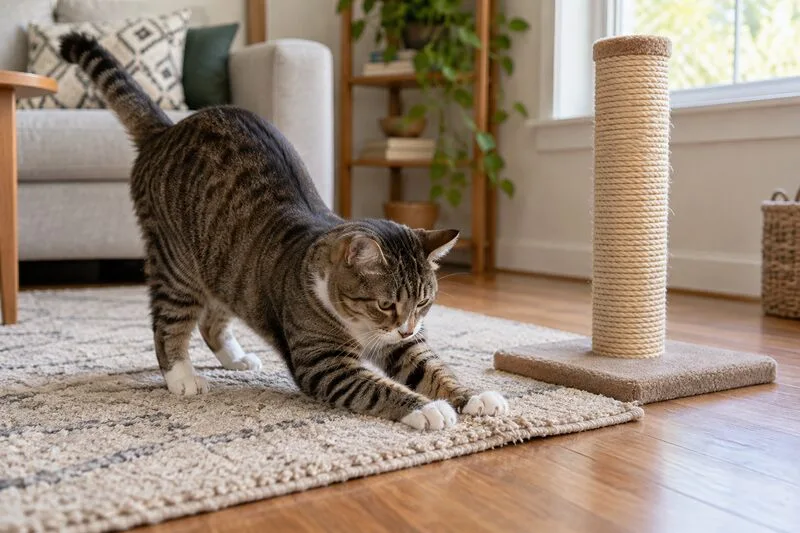
A cat may scratch beside a post because the spot, texture, angle, stability, or location suits it better. Learn what to observe and how to adjust the setup.
A pet’s evening restlessness may follow natural activity rhythms, routine cues, unmet needs, or health changes. Learn what to observe and when to call a veterinarian.
Introduce a new litter box gently: keep the familiar box available, use familiar litter, and let your cat choose. Learn when avoidance needs veterinary care.
Learn how to compare boredom and separation-related anxiety in pets, what to record on video, when to call a veterinarian, and which low-risk changes may help.
Plan a safer, gradual introduction when a dog guards food or toys. Learn how to separate resources, read stress signals, measure progress, and know when to get expert help.
Help a dog or cat accept nail care with gradual, reward-based practice. Learn what progress looks like, when to pause, and when to ask a veterinarian or groomer for help.
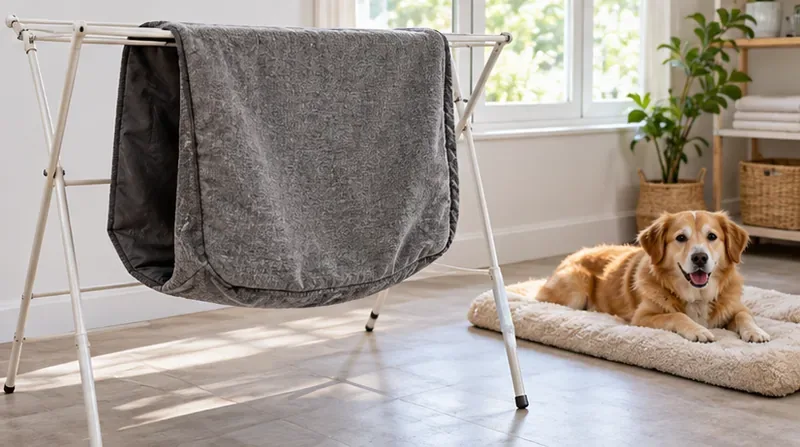
Learn how to wash a pet bed with less lingering detergent scent. Compare fragrance-free options, follow the care label, rinse thoroughly, and dry every layer safely.