How to Find a Hidden Water Leak Under a Sink: A Simple, Safe Check
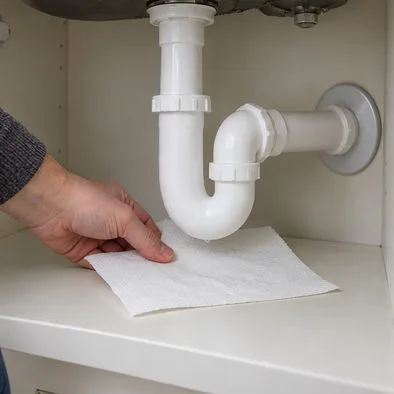
Use dry paper towels and four focused checks to find a hidden sink leak, tell supply leaks from drain leaks, and know when to call a plumber.
If you want to be green and grow your own food but have only a small space, you can still garden in containers. Container gardening offers the advantages of fewer insects and weeds to deal with and can be placed right outside your door or on your kitchen counter, so it’s very handy.
Container gardens require frequent care: Regular watering and fertilizing are very important because the plants don’t get that stuff directly from the earth.
Keep growing in a confined space simple by following these steps:
Buy clay or terra-cotta pots, which are the most naturally made pots on the market.
If your pots are locally made, they’re even greener. Make sure that they’re deep enough to allow adequate root growth (about 20 to 25 cm) and that they have holes in the bottom for water drainage. (Water that sits in the pot can create root rot, which is bad news for your plant.) The planting instructions on seed packets or plant labels indicate how deep to plant the item and how large it’s likely to grow.
Buy organically grown seeds or small plants, which are available from garden centers, nurseries, natural food stores, many hardware stores, and mail-order growers.
Plants with descriptions such as bush, compact, space saver, or patio indicate that they’re specifically designed to grow in smaller spaces. Tomatoes, peppers, and eggplants grow particularly well in containers, as do leafy greens such as lettuce and spinach, herbs, and some fruits.
Also look for plants designed to grow upward, such as pole or runner beans, or that can be trained to grow up trellises, such as cucumbers.
Plant the seeds or plants in prepackaged or homemade organic potting mix, which contains natural ingredients.
Line the bottom of the pot with broken pieces of terra cotta or small stones to encourage drainage while preventing the dirt from escaping through the drainage hole in the bottom of the pot. Then simply fill the pot with the potting mix and plant the seeds or plants at the depth recommended on the seed or plant packaging.
Place the pots in the best position to make the most of sunlight and rain.
If your containers are inside, place them near windows for sunlight, but obviously you can’t worry about rainfall.
As your tiny garden grows, keep it growing greenly:
Water as recommended. In general, when the soil begins drying out, add more water, but avoid soaking the seed or plant. Too much water can be as damaging as too little.
Feed your plants organic fertilizer that contains rock minerals and animal manure produced from sustainable farming methods. You also can use the liquid from the bottom of a worm farm.
Use organically made insecticides such as those made from a mix of garlic, chilies, and dried pyrethrum (a plant of the daisy family).
Use dry paper towels and four focused checks to find a hidden sink leak, tell supply leaks from drain leaks, and know when to call a plumber.
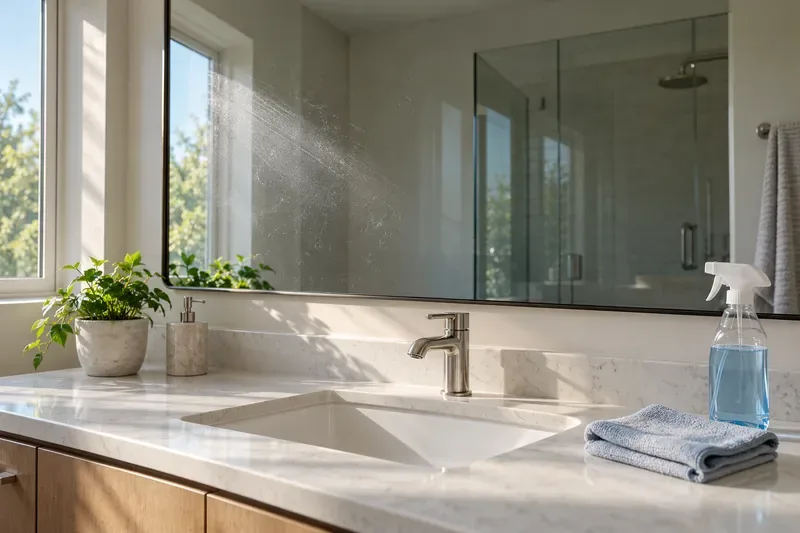
Bathroom mirror streaks often come from residue, dirty cloths, excess cleaner, or dried water. Find the likely cause and a gentle way to fix it.
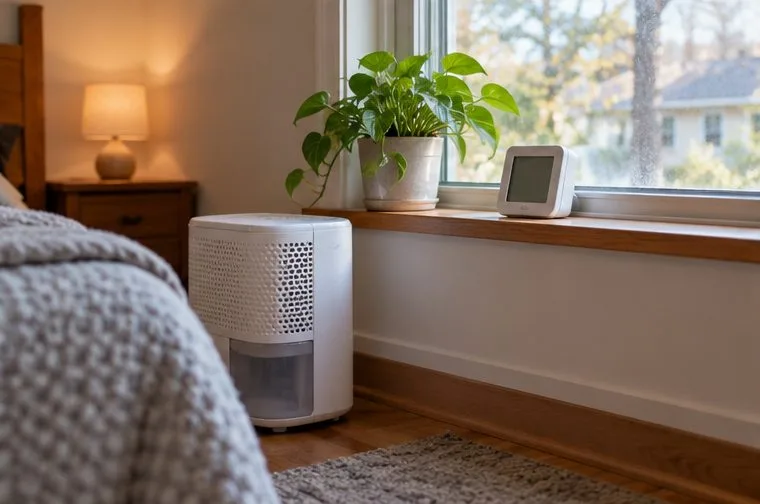
Reduce overnight window condensation by controlling indoor moisture, improving airflow, monitoring humidity, and knowing when the window itself needs attention.
Reduce cooking and kitchen odors without fragrance by improving ventilation, cleaning grease and food residue, managing waste, and finding persistent odor sources.
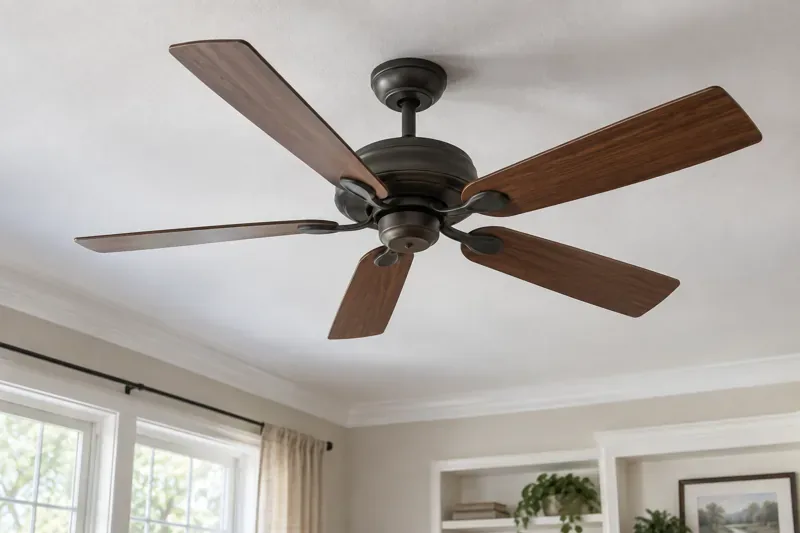
Learn why ceiling fans wobble, which warning signs mean turn it off, and what you can safely check before calling an electrician.
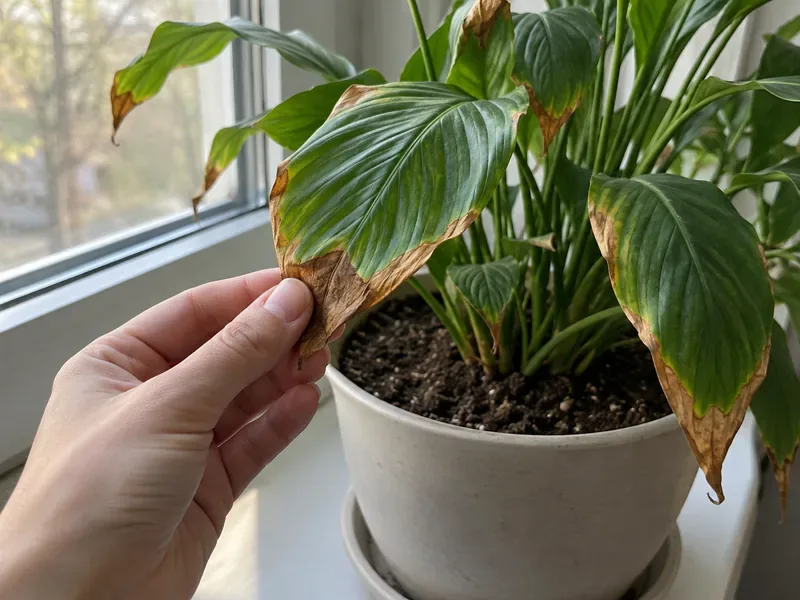
Learn why indoor plant leaves turn brown at the edges, how to read clues about watering, humidity, salts, and light, and when to seek expert help.
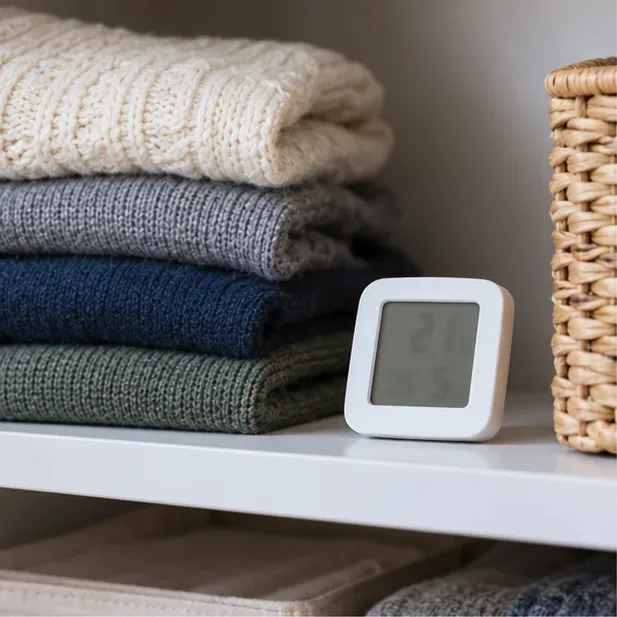
Keep stored clothes dry without mothballs: measure closet humidity, reduce moisture at the source, dry garments fully, choose suitable storage, and inspect for mold.
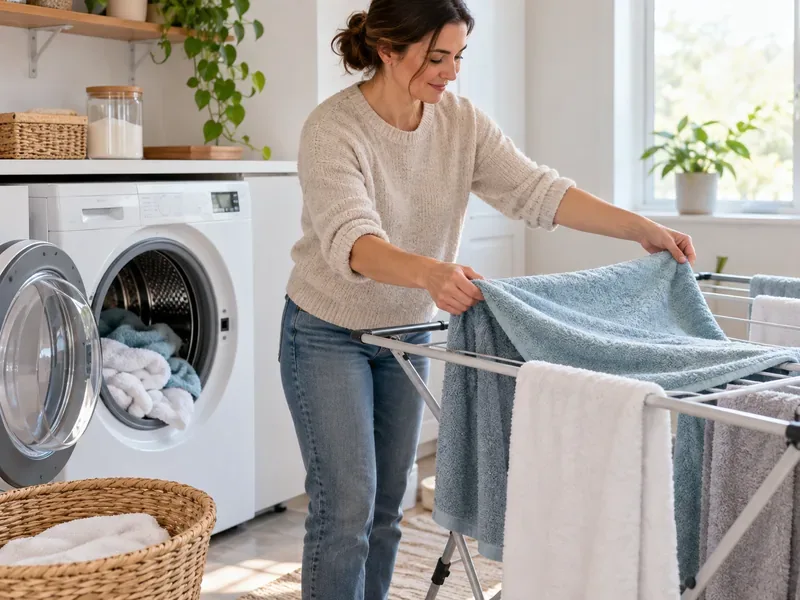
Musty towels often point to lingering moisture, washer residue, or slow drying. Learn how a hypothetical laundry example helps narrow the cause and what to change first.
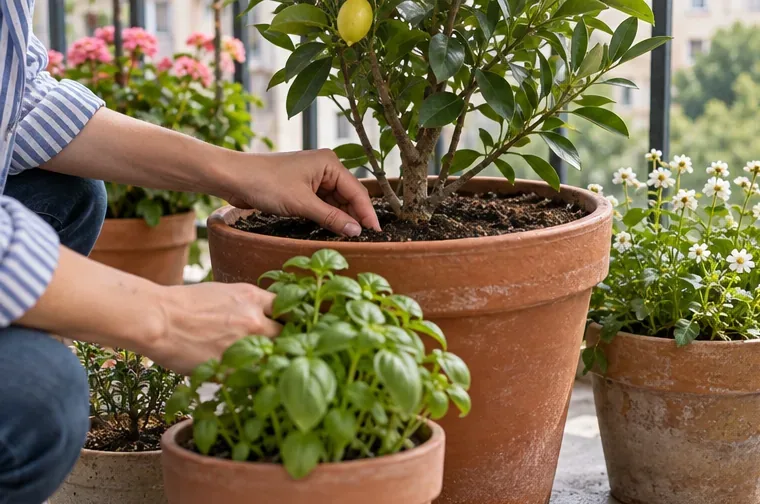
Keep balcony plants hydrated during a short trip with a plan based on pot size, plant needs, sun, and wind. Compare wicks, self-watering pots, and plant sitters.
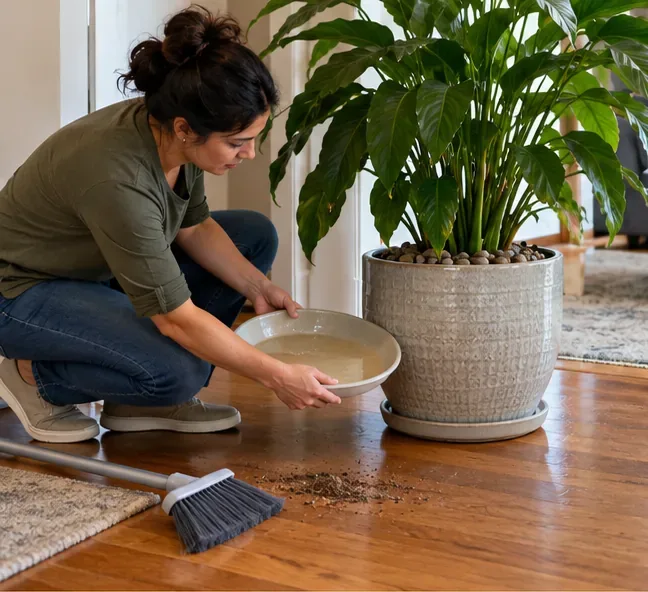
Move a heavy houseplant safely without scratching hardwood, denting flooring, spilling soil, or straining your back. Use a protected path, a dolly, and a controlled team lift.