What You Can’t Juice

There are a few fruits and vegetables that simply can’t be forced into giving up their precious liquids. A juicing machine or juice extractor removes the juice or liquid from fruits or vegetables by force. And because the machine is doing the squeezing and separating of the pulp and juice, you can juice many hard fruits and vegetables that you couldn’t juice by hand.

The fruits and vegetables that you can’t juice can be used in smoothies:

  • Avocado: Avocado is a great source of omega-3 fatty acids and, when ripe, it blends nicely, making smoothies and dips creamy and smooth. But if you try to juice it, it will only jam your juice machine. You can add avocado to fresh juice, though — here’s how: In a blender, combine 1 cup fresh juice with 1/2 avocado, cut into chunks. Blend until smooth. Pour this mixture into the rest of your juice and mix well. The avocado will make the juice thick and creamy.

  • Banana: Bananas are high in potassium, but they gum up the working parts of the juicer when you try to juice them. To add bananas to your glass of fresh juice, follow these steps: In a blender, combine 1 cup fresh juice with 1/2 banana, cut into chunks. Blend until smooth. Pour this mixture into the rest of your juice and mix well.

  • Rhubarb: Rhubarb leaves are high in oxalic acid and inedible, but the stalks contain such tiny amounts of the toxic acid that most people can eat small amounts of rhubarb stalks in pie and jam without experiencing problems. However, because of the amount of fresh rhubarb required to make one glass of juice, the amount of nutrients and the toxic oxalic acid is concentrated and much higher than if you eat the stalks raw. Juicing rhubarb could cause a reaction of stomach irritation and kidney problems, so you’re better off leaving it for smoothies and rhubarb pie.

  • Winter squash: Winter squash is just too hard to juice. In fact, you can damage your grating basket or blades if you try to juice raw squash. But the nutrients are exceptional, so to juice squash, you can soften chunks of butternut or acorn squash by lightly steaming them before juicing.

  • Nuts, seeds, and grains: Nuts, seeds, and grains aren’t suitable for juicing, but you can finely chop them and add them to fresh juice as a protein boost.
Leave a Comment

Why Does Sauce Separate After Reheating, and Can You Fix It?

Why Does Sauce Separate After Reheating, and Can You Fix It?

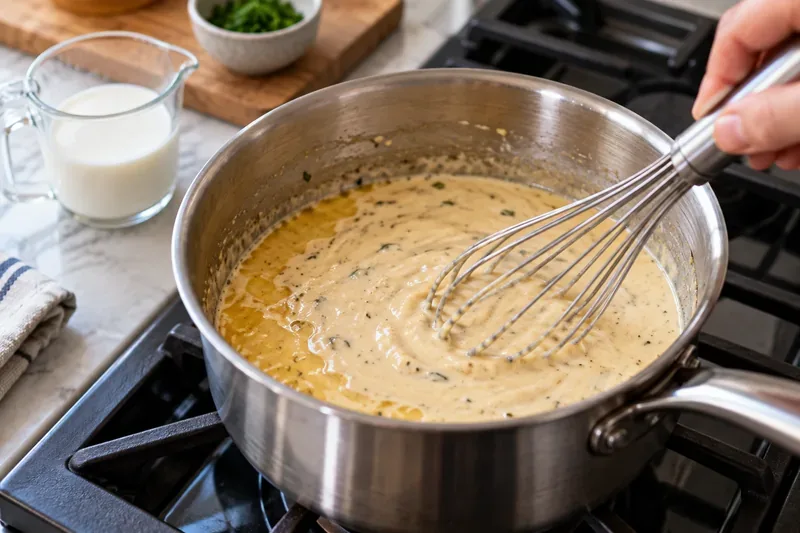
Sauce can split after reheating when fat, water, proteins, or starch fall out of balance. Learn why it happens, which sauces can be rescued, and how to reheat them safely.

What Makes Pancakes Tough Instead of Fluffy? Causes and Fixes

What Makes Pancakes Tough Instead of Fluffy? Causes and Fixes

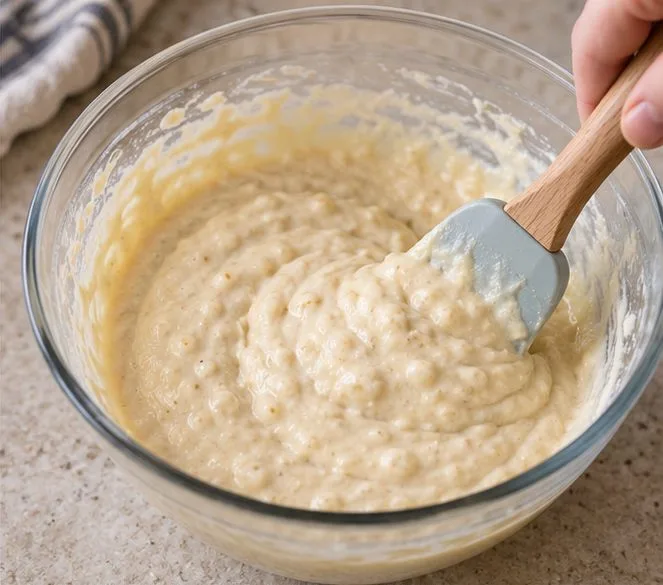
Find out why pancakes turn tough, chewy, or dense. Learn how to mix batter gently, check leaveners, control pan heat, and cook a fluffy test batch.

How to Fix Soup That Tastes Too Salty Without Doubling the Recipe

How to Fix Soup That Tastes Too Salty Without Doubling the Recipe

Rescue salty soup with measured dilution, liquid exchange, or unsalted add-ins. Learn what potatoes, lemon, sugar, and cream can—and cannot—do.

How to Cool a Large Pot of Food Safely Before Refrigerating It

How to Cool a Large Pot of Food Safely Before Refrigerating It

Cool a large pot of soup, stew, or other leftovers safely: divide it into shallow containers, use an ice bath when needed, and refrigerate promptly.

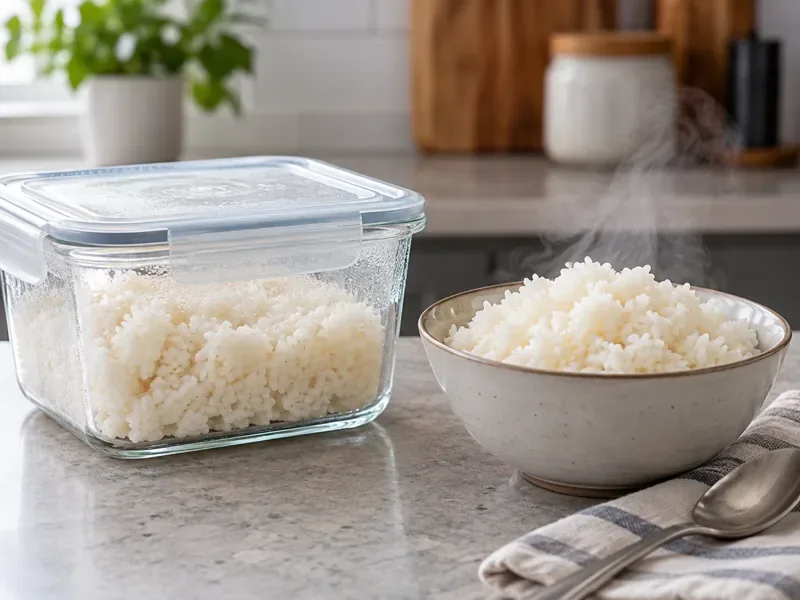
Why Cooked Rice Gets Hard in the Fridge—and How to Reheat It Safely

Why Cooked Rice Gets Hard in the Fridge—and How to Reheat It Safely

Learn why refrigerated rice firms up, how to restore its texture, and how to cool, store, and reheat leftovers safely to 165°F.

How to Help a Small Batch of Dough Rise in a Cool Kitchen

How to Help a Small Batch of Dough Rise in a Cool Kitchen

Use a gentle warm spot, cover the dough, and follow visual cues to help a small batch rise in a cool kitchen without overheating or overproofing it.

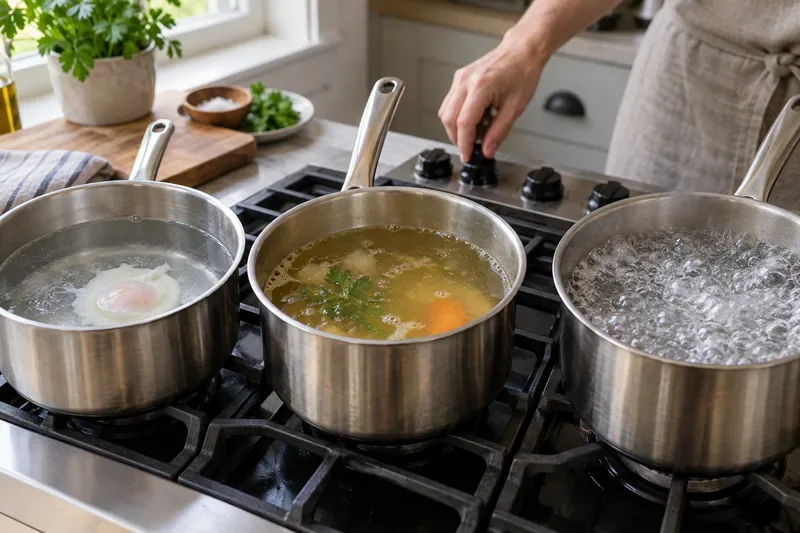
Simmering vs. Poaching vs. Boiling: How to Tell the Difference

Simmering vs. Poaching vs. Boiling: How to Tell the Difference

Learn how poaching, simmering, and boiling differ by water movement, temperature, and best uses, plus how to control the heat and check doneness safely.

Why Chocolate Seizes When Melting—and the Best Way to Save It

Why Chocolate Seizes When Melting—and the Best Way to Save It

Learn why melted chocolate turns thick and grainy, how to rescue it as sauce or ganache, and when baking or starting over is the better choice.

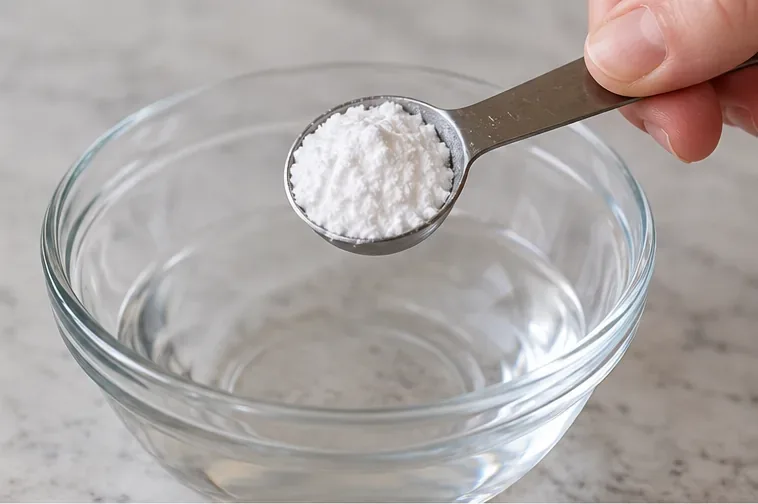
How to Tell Whether Baking Powder Is Still Active

How to Tell Whether Baking Powder Is Still Active

Test baking powder with warm water, read the bubbles, and learn when to replace it. This simple guide also explains storage, dates, and common testing mistakes.

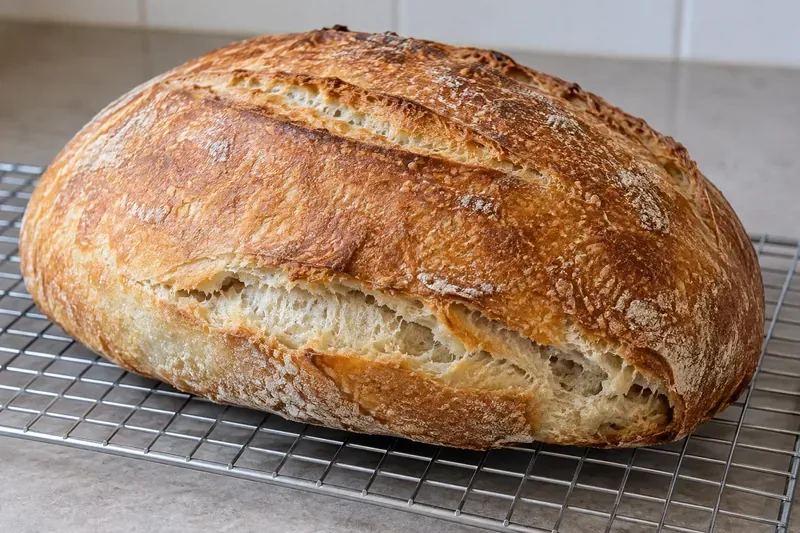
Why Homemade Bread Splits on the Side Instead of the Top

Why Homemade Bread Splits on the Side Instead of the Top

A side split usually means the loaf expanded at a weak point instead of opening through its score. Learn how scoring, steam, shaping, proofing, and pan fit affect the result.