Salt-Roasted Whole Fish (Le Poisson du Paludier)

Roasting fish in a shell of salt has been a popular cooking method for centuries. The salt absorbs the heat from the hot oven to cook the fish, which comes out moist and flaky with just the right about of saltiness. Don’t skimp on the salt because the fish must be covered completely.

Salt-Roasted Whole Fish (Le Poisson du Paludier)

Credit: ©iStockphoto.com/minadezhda

Preparation time: 30 minutes

Cooking time: 20 minutes

Yield: 4 servings

4 whole fish, such as trout or sea bass, 1 pound each, cleaned with heads intact

Pepper

3 pounds kosher salt

16 bay leaves

Lemon wedges for serving

Preheat the oven to 400 degrees F.

Rinse the fish under cold water and pat dry. Sprinkle the inside of the fish with pepper.

Cover the bottom of a 13-x-9-inch glass or ceramic baking dish with half the salt. Place 4 bay leaves in 2 rows where the fish will lie. Place the fish on top of the bay leaves. If necessary, trim the tails so that the fish fit in the pan.

Place the remaining bay leaves on top of the fish. Cover the fish with the remaining salt so that they’re completely covered. Gently pat down.

Place the baking dish on the center rack of the oven and roast for 20 minutes.

Remove the fish from the oven. The salt will have formed a hard crust. Tap with a large metal cooking spoon to break and remove the top layer of salt. Check to see whether the fish are cooked. If not, return to the oven and cook for an additional 5 to 10 minutes.

Using two large spatulas, carefully lift the baked fish from the salt and place each on a serving plate. Carefully remove all the skin and any visible salt.

Lift the top fillet from each fish. Turn the fish over and remove the remaining fillet. Serve with the lemon wedges.
Leave a Comment

Why Does Sauce Separate After Reheating, and Can You Fix It?

Why Does Sauce Separate After Reheating, and Can You Fix It?

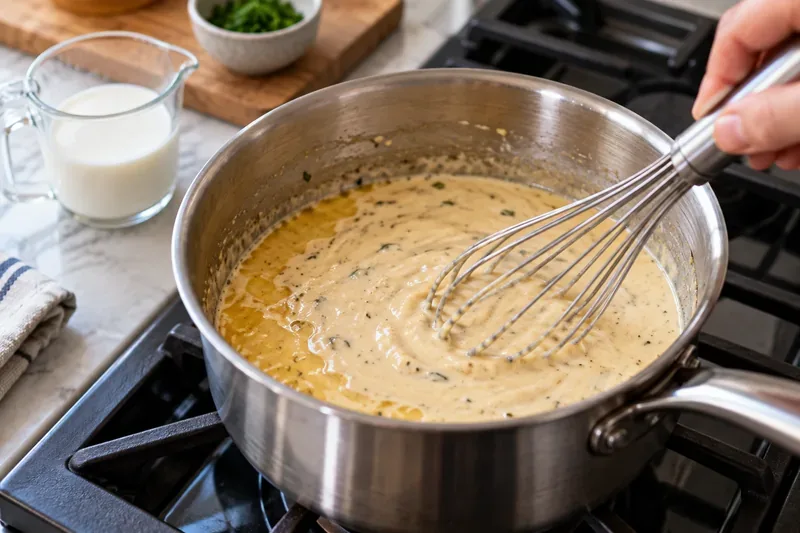
Sauce can split after reheating when fat, water, proteins, or starch fall out of balance. Learn why it happens, which sauces can be rescued, and how to reheat them safely.

What Makes Pancakes Tough Instead of Fluffy? Causes and Fixes

What Makes Pancakes Tough Instead of Fluffy? Causes and Fixes

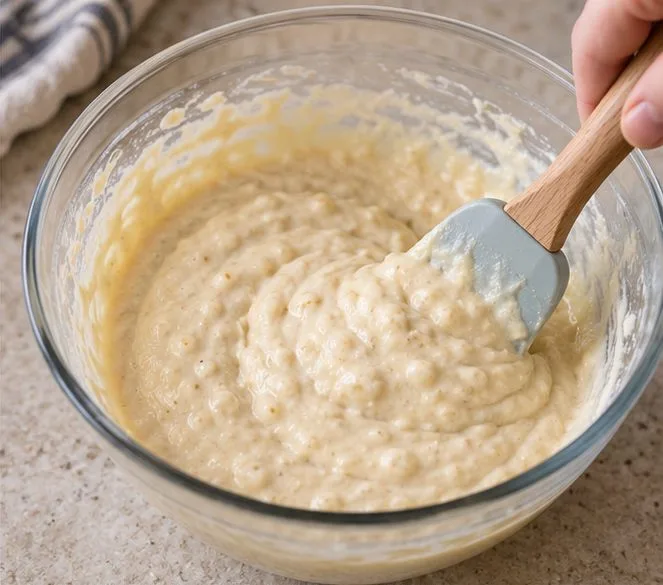
Find out why pancakes turn tough, chewy, or dense. Learn how to mix batter gently, check leaveners, control pan heat, and cook a fluffy test batch.

How to Fix Soup That Tastes Too Salty Without Doubling the Recipe

How to Fix Soup That Tastes Too Salty Without Doubling the Recipe

Rescue salty soup with measured dilution, liquid exchange, or unsalted add-ins. Learn what potatoes, lemon, sugar, and cream can—and cannot—do.

How to Cool a Large Pot of Food Safely Before Refrigerating It

How to Cool a Large Pot of Food Safely Before Refrigerating It

Cool a large pot of soup, stew, or other leftovers safely: divide it into shallow containers, use an ice bath when needed, and refrigerate promptly.

Why Cooked Rice Gets Hard in the Fridge—and How to Reheat It Safely

Why Cooked Rice Gets Hard in the Fridge—and How to Reheat It Safely

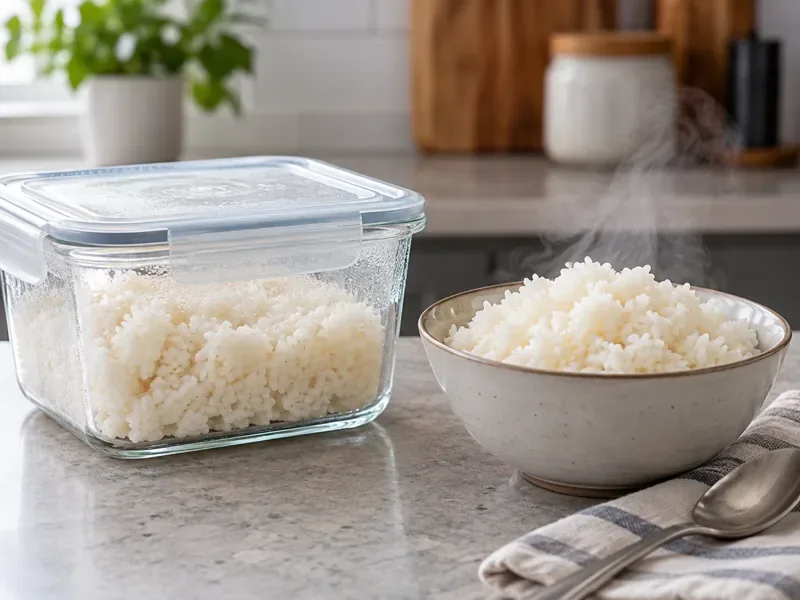
Learn why refrigerated rice firms up, how to restore its texture, and how to cool, store, and reheat leftovers safely to 165°F.

How to Help a Small Batch of Dough Rise in a Cool Kitchen

How to Help a Small Batch of Dough Rise in a Cool Kitchen

Use a gentle warm spot, cover the dough, and follow visual cues to help a small batch rise in a cool kitchen without overheating or overproofing it.

Simmering vs. Poaching vs. Boiling: How to Tell the Difference

Simmering vs. Poaching vs. Boiling: How to Tell the Difference

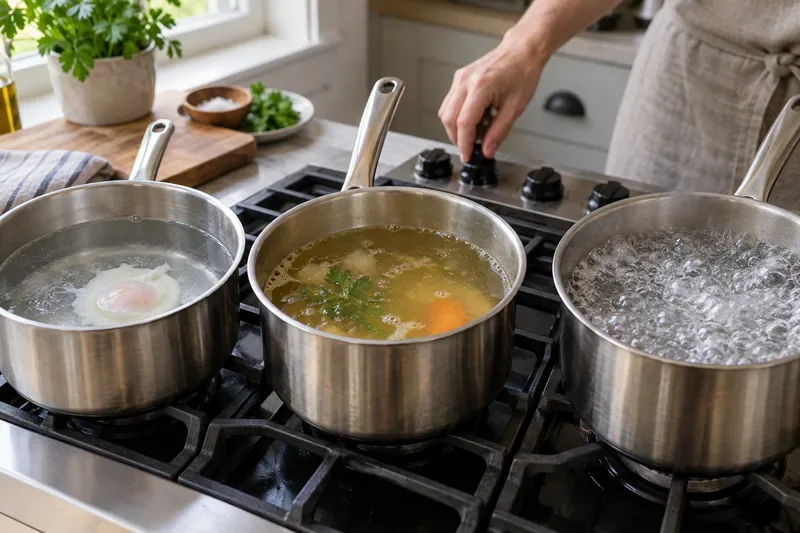
Learn how poaching, simmering, and boiling differ by water movement, temperature, and best uses, plus how to control the heat and check doneness safely.

Why Chocolate Seizes When Melting—and the Best Way to Save It

Why Chocolate Seizes When Melting—and the Best Way to Save It

Learn why melted chocolate turns thick and grainy, how to rescue it as sauce or ganache, and when baking or starting over is the better choice.

How to Tell Whether Baking Powder Is Still Active

How to Tell Whether Baking Powder Is Still Active

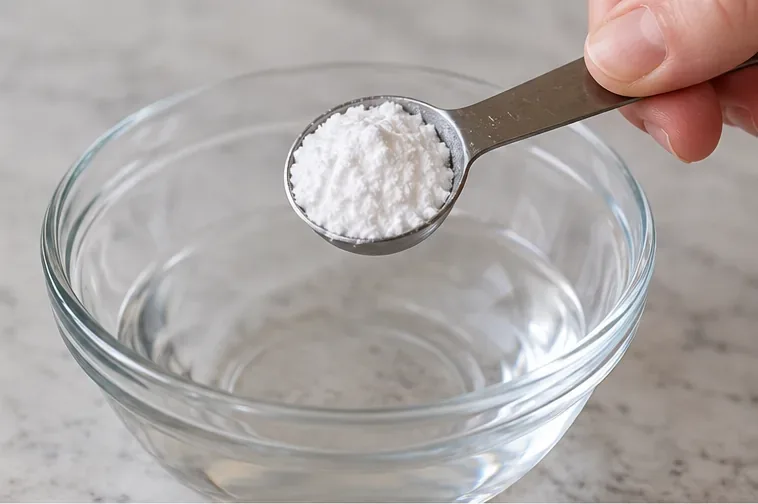
Test baking powder with warm water, read the bubbles, and learn when to replace it. This simple guide also explains storage, dates, and common testing mistakes.

Why Homemade Bread Splits on the Side Instead of the Top

Why Homemade Bread Splits on the Side Instead of the Top

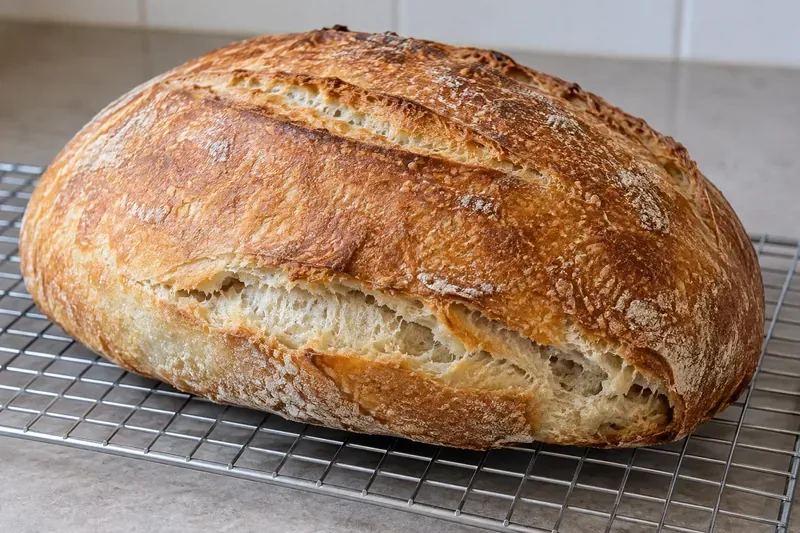
A side split usually means the loaf expanded at a weak point instead of opening through its score. Learn how scoring, steam, shaping, proofing, and pan fit affect the result.