What Is a Sourdough Starter?

When you begin exploring the world of fermentations, you’ll hear people talking about sourdough, sourdough starters, and wild yeasts. A sourdough starter is really just another name for any fermented grain. It’s a grain that starts to predigest during the fermentation process, which ultimately makes the flavor more sour.

Here are just a few great reasons to make your very own sourdough:

  • Sourdough is delicious.

  • Sourdough helps improve your digestion.

  • Sourdough predigests gluten and phytic acid.

  • Sourdough saves you the cost of buying commercial yeasts.

  • Making the sourdough starter and keeping it alive is fun.

You can use anything from spelt flour to whole wheat to kamut to other ancient grains to experiment with sourdough. You’ll be surprised just how many recipes you can make, from muffins to pancakes to breads . . . anything goes!

Feeding your sourdough starter

If you care about your sourdough starter, you’ll feed it. Just like your body, sourdough requires food. The fermentation process feeds off of the sugars and carbohydrates in the flour. To keep the sourdough alive, consistent and regular feeding of flour is required. As long as you keep feeding your sourdough and store it in a good environment, it will stay alive, and you can keep making more recipes with it.

Sometimes you’ll even hear people call the sourdough starter the mother because it creates other sourdough babies. Sourdough starter is very different from commercial yeasts, which require you to continue buying them and have a strong need for a stable environment. Sourdough is unique because it predigests the gluten and phytic acids in the grain.

Choosing the type of sourdough starter to use

All sourdoughs require a sourdough starter, the essential life force that makes your amazing breads and other recipes. The interesting thing about these starters is that they take on the flavor of the naturally occurring yeast and bacteria in your environment and the flour you use. From one batch to the next, each sourdough is a bit unique and different from the last!

You can purchase dry sourdough starters or find a friend who has a wet sourdough starter. Starting your own is possible but can take up to one week.

A dry sourdough starter may come as a dehydrated formula that contains sourdough yeast. (Look out for more traditional starters rather than manufactured yeasts for better flavor.) A wet sourdough starter is a more traditional culture that has been started from scratch, fed continuously with flour, and is now bubbling and alive. It’s actually wet and sticky. When such a wet starter is fully thriving, it should be fed with water and flour at least once a week.
Leave a Comment

Why Does Sauce Separate After Reheating, and Can You Fix It?

Why Does Sauce Separate After Reheating, and Can You Fix It?

Sauce can split after reheating when fat, water, proteins, or starch fall out of balance. Learn why it happens, which sauces can be rescued, and how to reheat them safely.

What Makes Pancakes Tough Instead of Fluffy? Causes and Fixes

What Makes Pancakes Tough Instead of Fluffy? Causes and Fixes

Find out why pancakes turn tough, chewy, or dense. Learn how to mix batter gently, check leaveners, control pan heat, and cook a fluffy test batch.

How to Fix Soup That Tastes Too Salty Without Doubling the Recipe

How to Fix Soup That Tastes Too Salty Without Doubling the Recipe

Rescue salty soup with measured dilution, liquid exchange, or unsalted add-ins. Learn what potatoes, lemon, sugar, and cream can—and cannot—do.

How to Cool a Large Pot of Food Safely Before Refrigerating It

How to Cool a Large Pot of Food Safely Before Refrigerating It

Cool a large pot of soup, stew, or other leftovers safely: divide it into shallow containers, use an ice bath when needed, and refrigerate promptly.

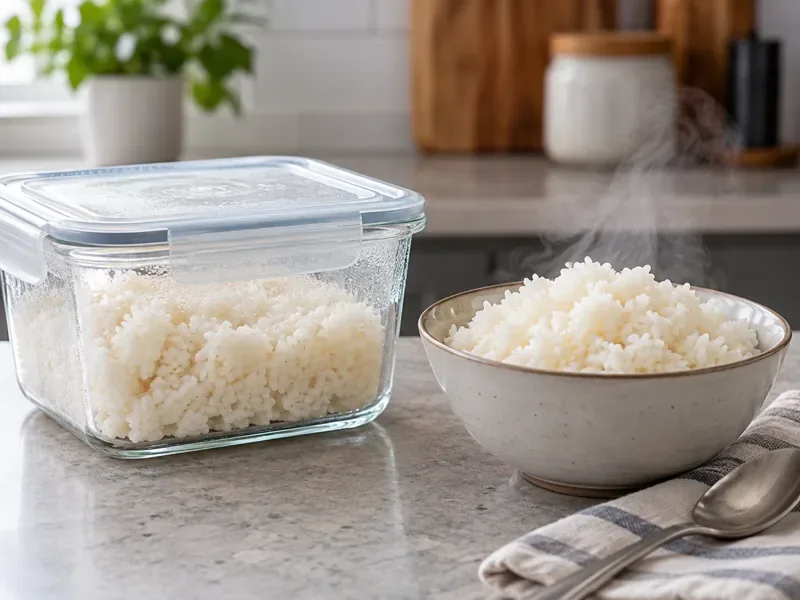
Why Cooked Rice Gets Hard in the Fridge—and How to Reheat It Safely

Why Cooked Rice Gets Hard in the Fridge—and How to Reheat It Safely

Learn why refrigerated rice firms up, how to restore its texture, and how to cool, store, and reheat leftovers safely to 165°F.

How to Help a Small Batch of Dough Rise in a Cool Kitchen

How to Help a Small Batch of Dough Rise in a Cool Kitchen

Use a gentle warm spot, cover the dough, and follow visual cues to help a small batch rise in a cool kitchen without overheating or overproofing it.

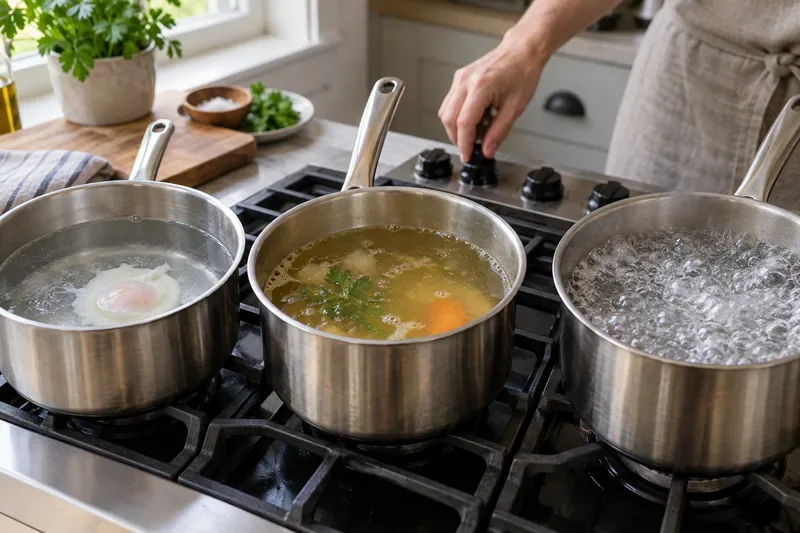
Simmering vs. Poaching vs. Boiling: How to Tell the Difference

Simmering vs. Poaching vs. Boiling: How to Tell the Difference

Learn how poaching, simmering, and boiling differ by water movement, temperature, and best uses, plus how to control the heat and check doneness safely.

Why Chocolate Seizes When Melting—and the Best Way to Save It

Why Chocolate Seizes When Melting—and the Best Way to Save It

Learn why melted chocolate turns thick and grainy, how to rescue it as sauce or ganache, and when baking or starting over is the better choice.

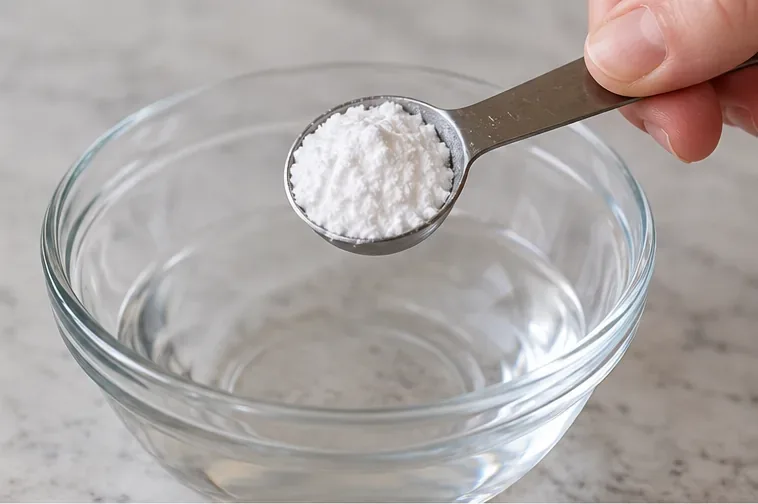
How to Tell Whether Baking Powder Is Still Active

How to Tell Whether Baking Powder Is Still Active

Test baking powder with warm water, read the bubbles, and learn when to replace it. This simple guide also explains storage, dates, and common testing mistakes.

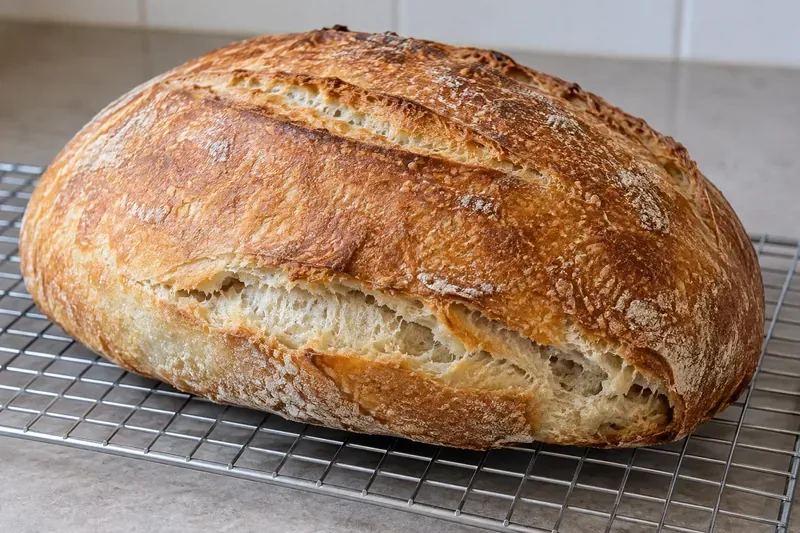
Why Homemade Bread Splits on the Side Instead of the Top

Why Homemade Bread Splits on the Side Instead of the Top

A side split usually means the loaf expanded at a weak point instead of opening through its score. Learn how scoring, steam, shaping, proofing, and pan fit affect the result.