The first decision you should make when choosing a puppy is whether you’d like a purebred puppy, a mixed-breed variety, or a designer mixed-breed puppy. All dogs have a genetic inscription — a small bundle of codes — that determines each of their traits, from the colors of their coats and the shapes of their tails to the sounds of their barks and their reactions to strangers. Each set of dogs having these same traits is classified into a group called a breed.
Taking comfort in tradition: Purebred dogs
When you purchase a purebred dog, you’re buying into a generational lineage. Currently, more than 420 dog breeds are registered worldwide. Each breed has been fine-tuned to perform a specific function in society. Fanciers devote themselves to breeding and selling puppies that reflect their traditions. Choosing a specific breed enables you to predict the size, weight, and interest of your puppy.
Typically, owners of purebred dogs only permit breeding to other purebred dogs of the same breed. Of course, if a purebred dog owner breaks code and mates a purebred dog with another breed, a resulting puppy is what people in America call a mutt or mixed breed.
What are some other differences between a pure and mixed breed? Purebred dogs cost more — between $300 and $3,000. (The high end of that range is rare, but some purebred dogs with parents who are renowned in the show ring can fetch this price.)
When choosing a purebred, you need to be aware of health-related considerations. Each breed has its own list of hereditary abnormalities that may be present. Research the breeds you are interested in before choosing a purebred puppy.
Choosing hybrid vigor: Mutts
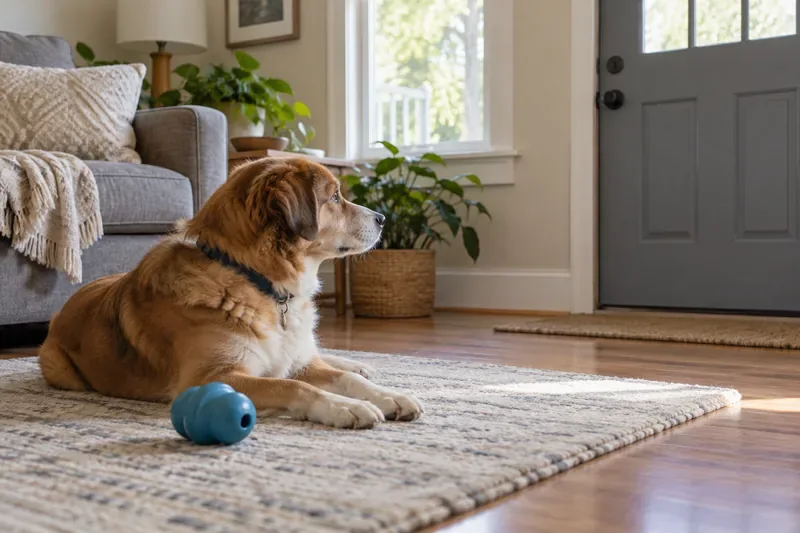
Equally capable of love and devotion as purebreds, mixed-breed puppies are considered mistakes and are often given away or relinquished an animal shelters. A mixed-breed dog is every bit as delightful as a purebred dog and, some argue, is healthier mentally and physically by virtue of hybrid vigor.
Hybrid vigor is a term that refers to a mixed-breed dog’s gene pool: By matching two completely different breeds, you get a larger range of possible traits. Advocates of hybrid vigor attest to healthier dogs because of the greater number of available genetic bundles. When mixed breeds are mated, the healthy traits are assumed to be dominant, and because more options are available, the genetic makeup of the dog is better.
Because purebred dogs have a limited number of genetic bundles available to them, their appearance may not vary much from generation to generation. A soft-coated Wheaten Terrier, for example, is always wheaten in color, with little variation. If this breed mated with a chocolate-colored Labrador Retriever, however, the puppies would have varying coat colors.
Going chic: Designer mixed breeds
Designer mixed breed dogs are the latest craze in the dog world. To create a designer mixed breed, breeders mate two purebred dogs to create a new, unique breed. This idea began with an attempt to create hypoallergenic seeing-eye dogs by mating Standard Poodles with Labrador Retrievers. The resulting dogs were coined Labradoodles, and though they didn’t catch on as seeing-eye dogs, the craze caught on in the public sector.
Now breeders have created designer mixes of every shape and size. Here are just a few of these fun new breeds:
| Designer breed name |
What they’re made of |
| Cavachon |
Cavalier King Charles Spaniel/Bichon Frisé |
| Chiweenie |
Chihuahua/Dachshund |
| Doodleman Pinscher |
Doberman Pinscher/Poodle |
| Jack-A-Bee |
Jack Russell Terrier/Beagle |
| Labernese |
Labrador Retriever/Bernese Mountain Dog |
| Pomimo |
American Eskimo Dog/Pomeranian |
| Puggle |
Pug/Beagle |
| Shorgi |
Corgi/Shih Tzu |
| Torkie |
Toy Fox Terrier/Yorkshire Terrier |
| Zuchon |
Shih Tzu/Bichon Frisé |
These designer dogs often cost much more than purebred or mixed breeds, to the tune of $2,000 to $3,000. Are you wondering how a breeder can get away with selling these mixed breeds at such high prices? The answer is that the people breeding these mixes have bought into the hybrid-vigor argument. If breeders are reputable in their passions, they’re taking two healthy specimens of each breed and trying to design a line of puppies who have the healthy traits of each breed.
If you’re considering a designer breed, remember that you can’t exactly be sure of what you’re going to get. A purebred dog’s size, weight, and interests can be predicted. A mixed-breed dog, designer or not, has a random mix of either traits in no particular order. If you’re thinking of buying one of these fun and fancifully named breeds, make sure you like both mixes — you can end up with the look of one and the personality of the other.