How to Find a Hidden Water Leak Under a Sink: A Simple, Safe Check
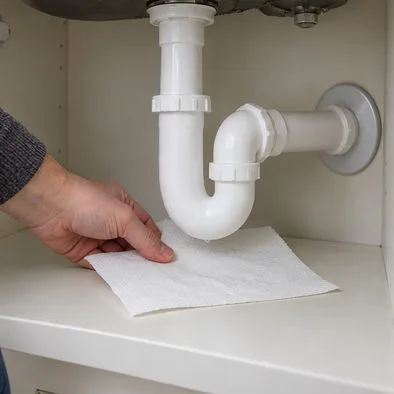
Use dry paper towels and four focused checks to find a hidden sink leak, tell supply leaks from drain leaks, and know when to call a plumber.
When liquid penetrates through wax and polish and gets into the finish (varnish, lacquer, or shellac) or even down to the wood itself, there may be tiny cracks in the wood. To reach them, you must strip the stained area of finish by using furniture stripper, oxalic acid crystals, or a two-step wood bleach or liquid laundry bleach. You also need to refinish the piece with varnish, lacquer, shellac, or urethane. And if, when you strip off the finish, you get down to bare wood, you need to restain it with a matching wood stain.
Melt the oxalic crystals in hot water.
Oxalic acid comes in crystals and can be purchased at paint stores and some pharmacies.
While the water is still hot, place the oxalic acid on the surface of the furniture.
A two-step wood bleach or liquid laundry bleach will also remove the stain. (Laundry bleach is weaker than either oxalic acid or a two-step wood bleach and, therefore, may have to be applied several times. It can be effective, however, if you want to work only in a small area.)
Let the liquid dry until it looks powdery and then rinse the area thoroughly with clear water.
Repeat if the dark stain hasn’t disappeared. Just be sure to rinse the area thoroughly between applications to get all of the dried crystals off the surface.
If you got down to bare wood, lightly sand the surface with fine sandpaper.
Wipe the surface with a tack-cloth to clean up all loose particles.
You can purchase tack-cloths at stores that sell paint, hardware, or do-it-yourself supplies. If all small particles haven’t been removed, the surface will be marred and you’ll be able to feel small bumps after the finish dries.
Apply a light coat of stain that matches the stain on your furniture.
Let it dry. If the color doesn’t match the furniture, repeat the steps until the color looks right.
Use dry paper towels and four focused checks to find a hidden sink leak, tell supply leaks from drain leaks, and know when to call a plumber.
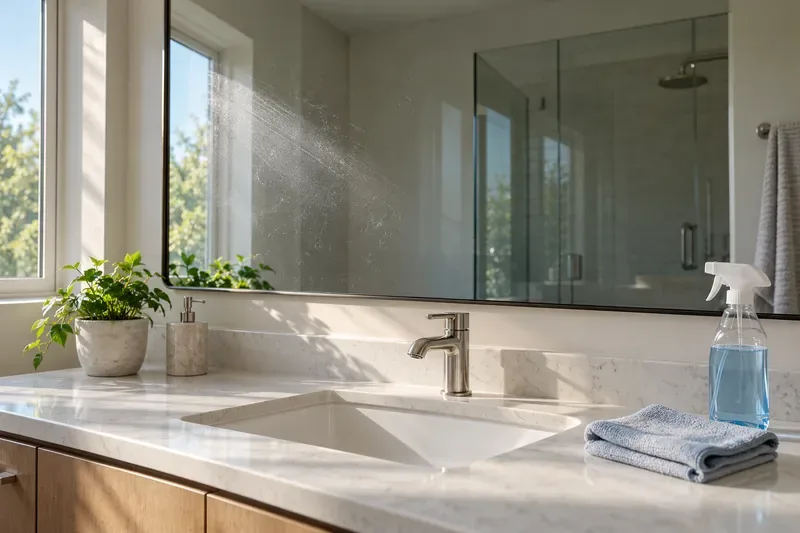
Bathroom mirror streaks often come from residue, dirty cloths, excess cleaner, or dried water. Find the likely cause and a gentle way to fix it.
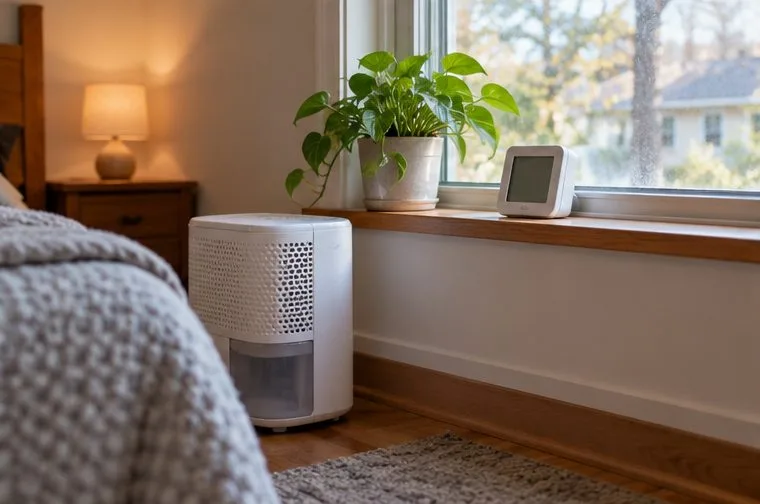
Reduce overnight window condensation by controlling indoor moisture, improving airflow, monitoring humidity, and knowing when the window itself needs attention.
Reduce cooking and kitchen odors without fragrance by improving ventilation, cleaning grease and food residue, managing waste, and finding persistent odor sources.
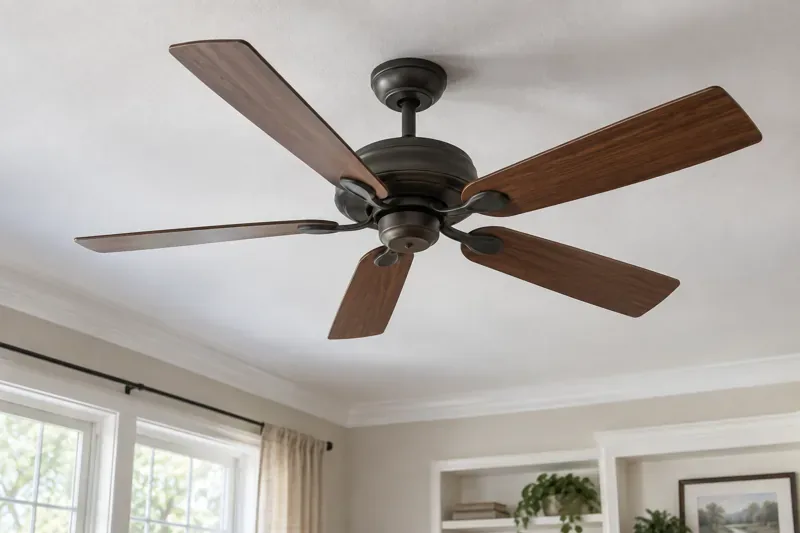
Learn why ceiling fans wobble, which warning signs mean turn it off, and what you can safely check before calling an electrician.
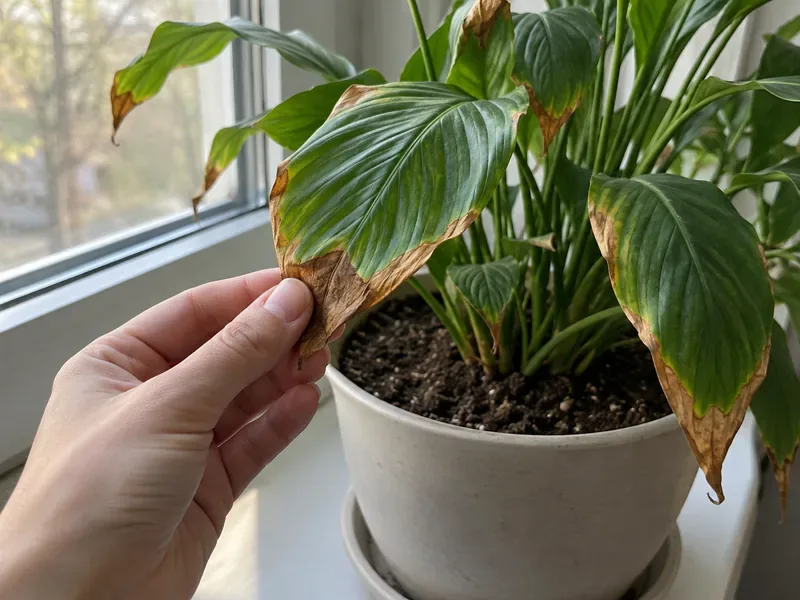
Learn why indoor plant leaves turn brown at the edges, how to read clues about watering, humidity, salts, and light, and when to seek expert help.
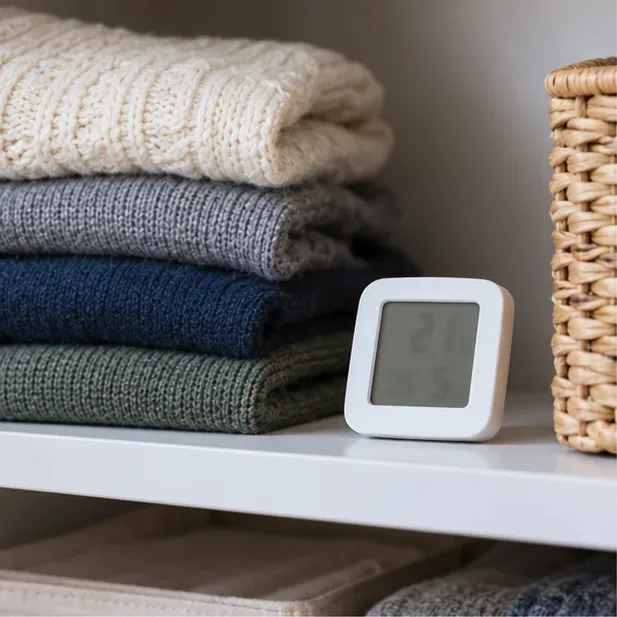
Keep stored clothes dry without mothballs: measure closet humidity, reduce moisture at the source, dry garments fully, choose suitable storage, and inspect for mold.
Musty towels often point to lingering moisture, washer residue, or slow drying. Learn how a hypothetical laundry example helps narrow the cause and what to change first.
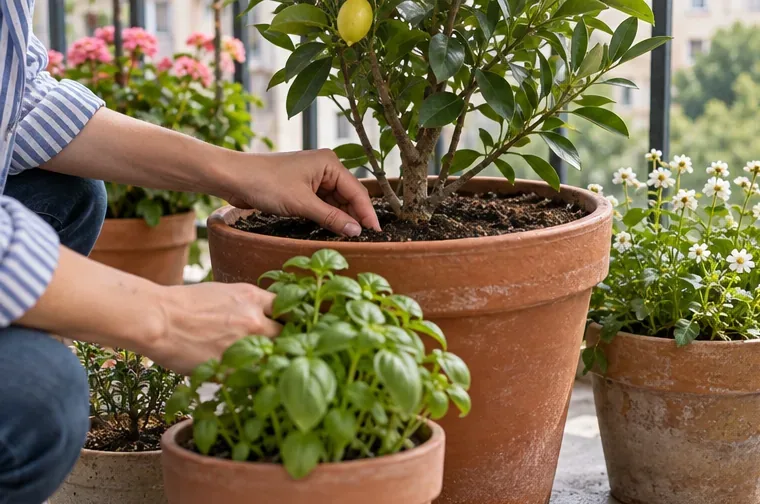
Keep balcony plants hydrated during a short trip with a plan based on pot size, plant needs, sun, and wind. Compare wicks, self-watering pots, and plant sitters.
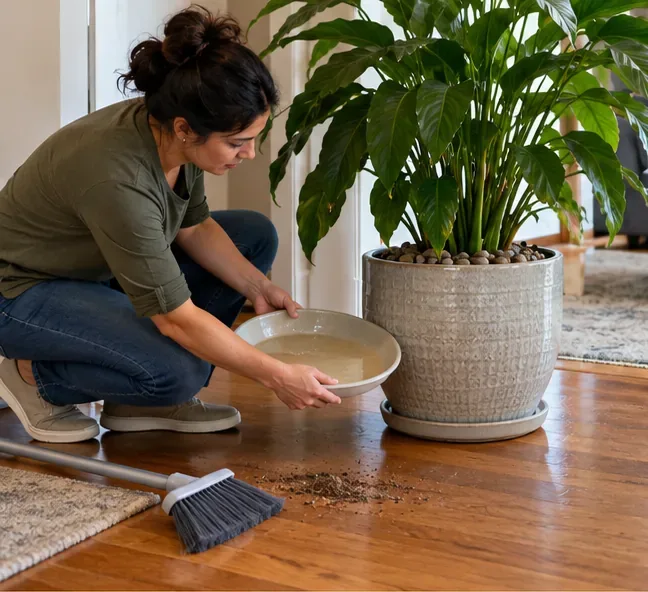
Move a heavy houseplant safely without scratching hardwood, denting flooring, spilling soil, or straining your back. Use a protected path, a dolly, and a controlled team lift.