Linking Inflammation to Chronic Diseases

Inflammation contributes to the development and symptoms of chronic illnesses, and understanding that link is the first step in knowing how to change your diet in order to combat inflammation and take better care of yourself. Here are some illnesses linked to inflammation:

  • Heart disease: Clinical research has linked heart disease — from coronary artery disease to congestive heart failure — to inflammation. Physicians and researchers provide evidence that the fatty deposits the body uses to repair damage to the arteries are just the start.

  • Cancer: Foods and proteins, such as fruits and green vegetables, can help you significantly reduce your risks of cancer. Chronic inflammation has been shown to contribute to the growth of tumor cells and other cancer cells.

  • Arthritis and joint pain: Arthritis has always been linked to inflammation, but it hasn’t always been evident that a change in diet could help alleviate the pain and possibly even postpone the onset. Now, however, medical and nutrition professionals see the benefits that natural, vitamin-rich foods can have in relieving the pain of arthritis and possibly even diminishing the inflammation.

  • Weight gain: It’s no secret that food is linked to obesity, but certain foods have a tendency to pile on the pounds more than others. Refined flours and sugars, for example, don’t get digested properly and turn to fat much sooner than other, unprocessed foods. Obesity increases inflammation throughout the body by piling pressure on the joints and aiding arthritis, for instance.
Leave a Comment

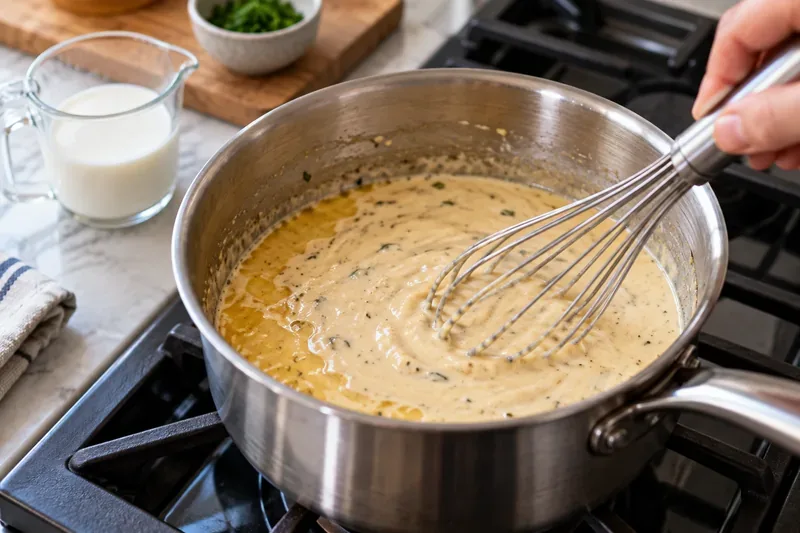
Why Does Sauce Separate After Reheating, and Can You Fix It?

Why Does Sauce Separate After Reheating, and Can You Fix It?

Sauce can split after reheating when fat, water, proteins, or starch fall out of balance. Learn why it happens, which sauces can be rescued, and how to reheat them safely.

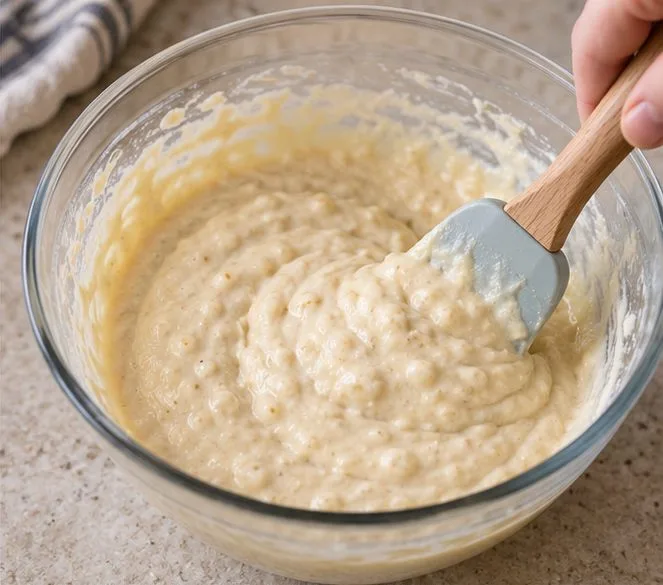
What Makes Pancakes Tough Instead of Fluffy? Causes and Fixes

What Makes Pancakes Tough Instead of Fluffy? Causes and Fixes

Find out why pancakes turn tough, chewy, or dense. Learn how to mix batter gently, check leaveners, control pan heat, and cook a fluffy test batch.

How to Fix Soup That Tastes Too Salty Without Doubling the Recipe

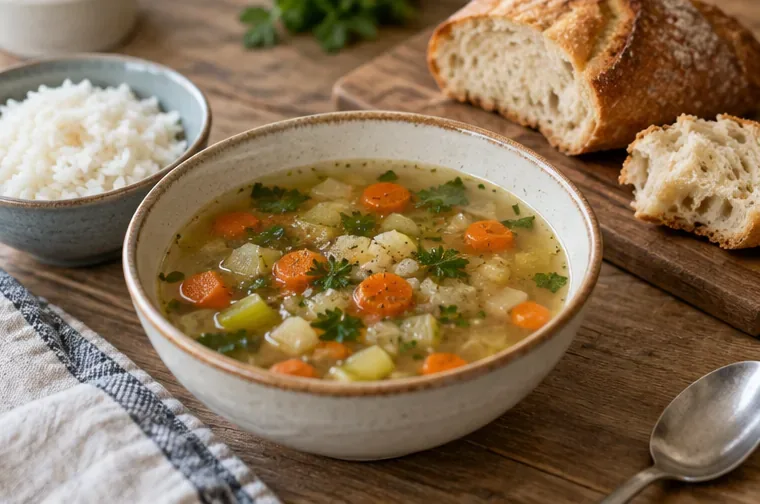
How to Fix Soup That Tastes Too Salty Without Doubling the Recipe

Rescue salty soup with measured dilution, liquid exchange, or unsalted add-ins. Learn what potatoes, lemon, sugar, and cream can—and cannot—do.

How to Cool a Large Pot of Food Safely Before Refrigerating It

How to Cool a Large Pot of Food Safely Before Refrigerating It

Cool a large pot of soup, stew, or other leftovers safely: divide it into shallow containers, use an ice bath when needed, and refrigerate promptly.

Why Cooked Rice Gets Hard in the Fridge—and How to Reheat It Safely

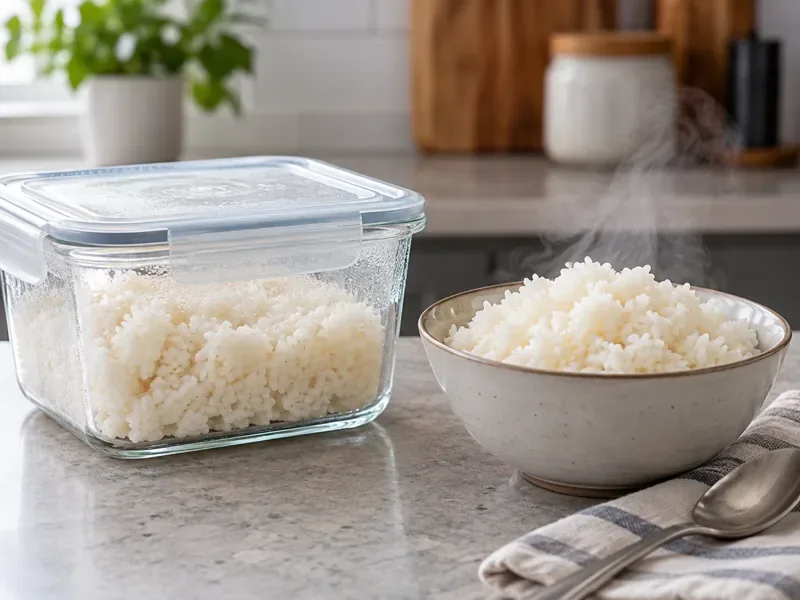
Why Cooked Rice Gets Hard in the Fridge—and How to Reheat It Safely

Learn why refrigerated rice firms up, how to restore its texture, and how to cool, store, and reheat leftovers safely to 165°F.

How to Help a Small Batch of Dough Rise in a Cool Kitchen

How to Help a Small Batch of Dough Rise in a Cool Kitchen

Use a gentle warm spot, cover the dough, and follow visual cues to help a small batch rise in a cool kitchen without overheating or overproofing it.

Simmering vs. Poaching vs. Boiling: How to Tell the Difference

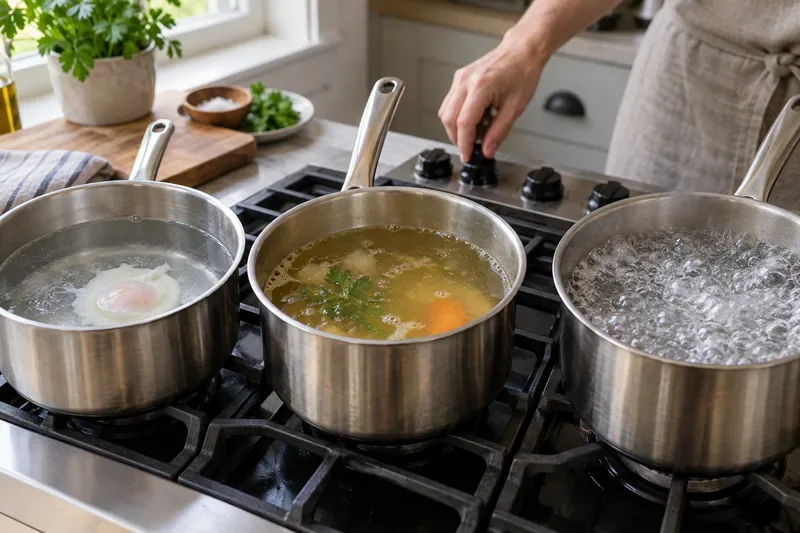
Simmering vs. Poaching vs. Boiling: How to Tell the Difference

Learn how poaching, simmering, and boiling differ by water movement, temperature, and best uses, plus how to control the heat and check doneness safely.

Why Chocolate Seizes When Melting—and the Best Way to Save It

Why Chocolate Seizes When Melting—and the Best Way to Save It

Learn why melted chocolate turns thick and grainy, how to rescue it as sauce or ganache, and when baking or starting over is the better choice.

How to Tell Whether Baking Powder Is Still Active

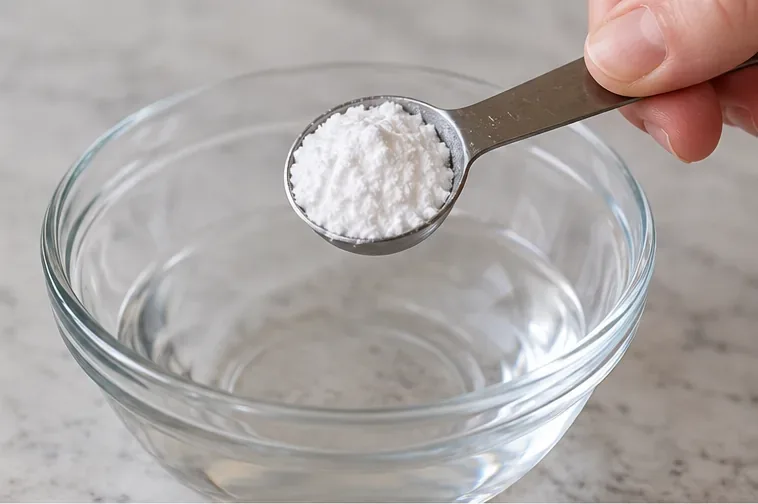
How to Tell Whether Baking Powder Is Still Active

Test baking powder with warm water, read the bubbles, and learn when to replace it. This simple guide also explains storage, dates, and common testing mistakes.

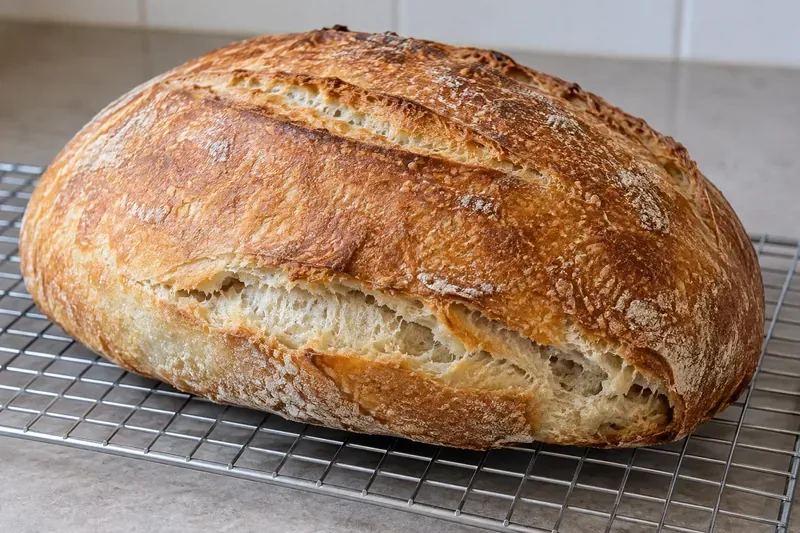
Why Homemade Bread Splits on the Side Instead of the Top

Why Homemade Bread Splits on the Side Instead of the Top

A side split usually means the loaf expanded at a weak point instead of opening through its score. Learn how scoring, steam, shaping, proofing, and pan fit affect the result.