What to Pack for a Pet Sitter Besides Food and Medicine
Prepare a pet-sitter kit with care instructions, emergency contacts, comfort items, cleanup supplies, ID details, and home-access notes—plus a practical handoff checklist.
When you decide to bring a Chihuahua puppy into your life, you need to choose with your head as well as your heart. The tips in the following list can help you bring home a puppy you’ll be happy to raise:
Trust your instincts. Does one puppy catch your eye immediately? First impressions are important, and love at first sight can last a lifetime. But take time to ensure that your furry favorite is healthy and has a pleasing personality.
Be observant. Watch the puppies play together for several minutes without human interference. Your best bet is a puppy in the middle of the pecking order — neither the bully nor the scaredy-cat.
Eye the eyes. They should be bright, alert, and clear of mucous. (Don’t mistake clear tears for mucous, though.)
Check the coat. A healthy coat is smooth to the touch and glossy, with no bald patches. No puppy should have skin showing through on its back or sides.
Know the nose. Breathing should be quiet and rhythmic and the nostrils should be free of mucous.
Note how puppies move when they play. Despite a bit of baby clumsiness, they should appear quick, bouncy, and agile, standing straight on legs that look strong enough to carry their bodies.
Prepare a pet-sitter kit with care instructions, emergency contacts, comfort items, cleanup supplies, ID details, and home-access notes—plus a practical handoff checklist.
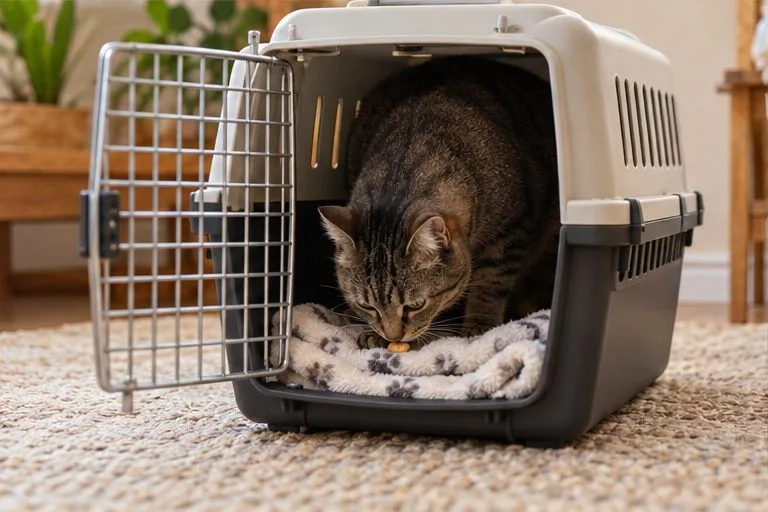
Learn how to choose a cat carrier, build comfort with gradual reward-based practice, and prepare for a safer, less stressful veterinary trip.
A rabbit that skips hay but accepts treats may have dental pain, GI trouble, stress, or a diet preference. Learn what to watch, what to change, and when to call a rabbit-savvy vet.
A cat may scratch beside a post because the spot, texture, angle, stability, or location suits it better. Learn what to observe and how to adjust the setup.
A pet’s evening restlessness may follow natural activity rhythms, routine cues, unmet needs, or health changes. Learn what to observe and when to call a veterinarian.
Introduce a new litter box gently: keep the familiar box available, use familiar litter, and let your cat choose. Learn when avoidance needs veterinary care.
Learn how to compare boredom and separation-related anxiety in pets, what to record on video, when to call a veterinarian, and which low-risk changes may help.
Plan a safer, gradual introduction when a dog guards food or toys. Learn how to separate resources, read stress signals, measure progress, and know when to get expert help.
Help a dog or cat accept nail care with gradual, reward-based practice. Learn what progress looks like, when to pause, and when to ask a veterinarian or groomer for help.
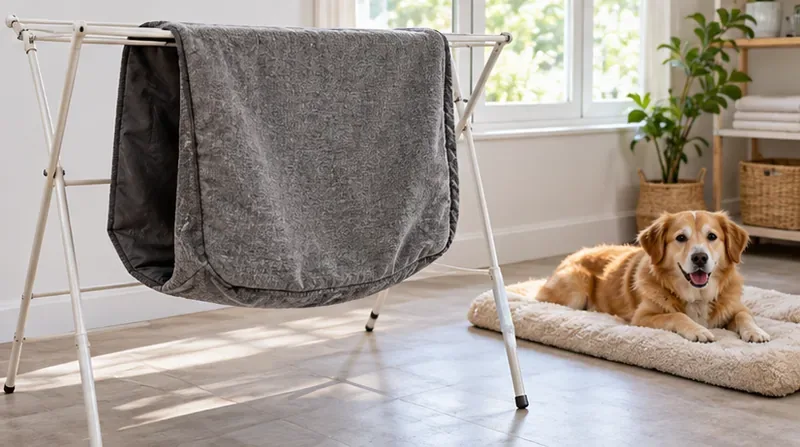
Learn how to wash a pet bed with less lingering detergent scent. Compare fragrance-free options, follow the care label, rinse thoroughly, and dry every layer safely.