When to Get Emergency Veterinary Care for Your Dog

Seek urgent veterinary care if your dog displays any of the following symptoms. If your dog is ever injured or sick and you are not sure what to do, call your vet. Always better safe than sorry!

  • Allergic reactions, such as swelling around the face, or hives, most easily seen on the belly

  • Any eye injury, no matter how mild

  • Any respiratory problem: Chronic coughing, trouble breathing, or near drowning

  • Any signs of pain: Panting, labored breathing, increased body temperature, lethargy, restlessness, or loss of appetite

  • Any suspected poisoning, including ingestion of antifreeze, rodent or snail bait, or human medication

  • Any wound or laceration that’s open and bleeding, or any animal bite

  • Seizure, fainting, or collapse

  • Snake bite

  • Thermal stress, either too cold or too hot, even if the dog seems to have recovered

  • Trauma, such as being hit by a car, even if the dog seems fine

  • Vomiting or diarrhea, anything more than two or three times within an hour or so

Leave a Comment

What to Pack for a Pet Sitter Besides Food and Medicine

What to Pack for a Pet Sitter Besides Food and Medicine

Prepare a pet-sitter kit with care instructions, emergency contacts, comfort items, cleanup supplies, ID details, and home-access notes—plus a practical handoff checklist.

Help Your Cat Feel Safe in the Carrier Before a Vet Visit

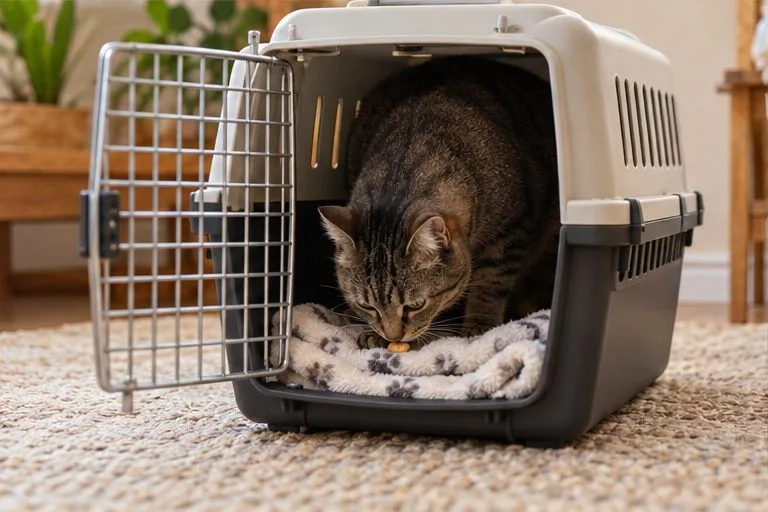
Help Your Cat Feel Safe in the Carrier Before a Vet Visit

Learn how to choose a cat carrier, build comfort with gradual reward-based practice, and prepare for a safer, less stressful veterinary trip.

Why a Rabbit May Refuse Hay but Still Eat Treats—and What to Do Next

Why a Rabbit May Refuse Hay but Still Eat Treats—and What to Do Next

A rabbit that skips hay but accepts treats may have dental pain, GI trouble, stress, or a diet preference. Learn what to watch, what to change, and when to call a rabbit-savvy vet.

Why Does a Cat Scratch Beside the Scratching Post?

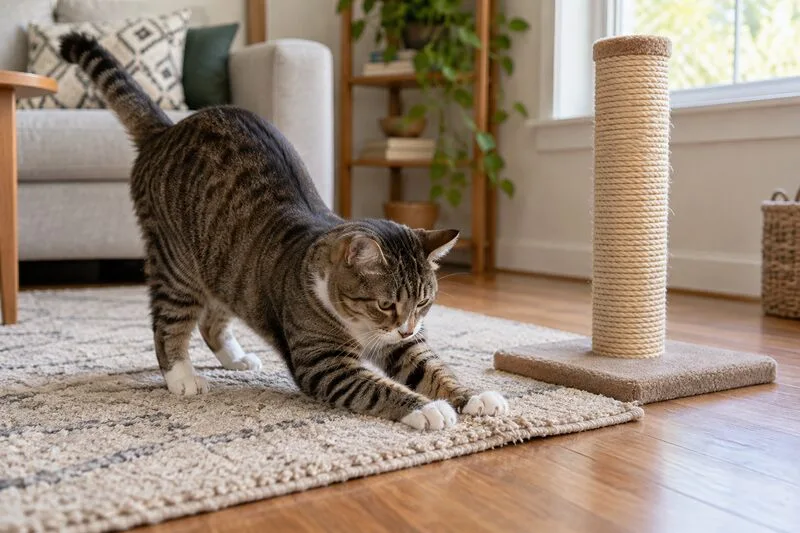
Why Does a Cat Scratch Beside the Scratching Post?

A cat may scratch beside a post because the spot, texture, angle, stability, or location suits it better. Learn what to observe and how to adjust the setup.

Why Does My Pet Get Restless at the Same Time Every Evening?

Why Does My Pet Get Restless at the Same Time Every Evening?

A pet’s evening restlessness may follow natural activity rhythms, routine cues, unmet needs, or health changes. Learn what to observe and when to call a veterinarian.

How to Help Your Cat Use a New Litter Box Without Forcing It

How to Help Your Cat Use a New Litter Box Without Forcing It

Introduce a new litter box gently: keep the familiar box available, use familiar litter, and let your cat choose. Learn when avoidance needs veterinary care.

Boredom or Anxiety? What Your Pet’s Behavior When Left Alone Can Tell You

Boredom or Anxiety? What Your Pet’s Behavior When Left Alone Can Tell You

Learn how to compare boredom and separation-related anxiety in pets, what to record on video, when to call a veterinarian, and which low-risk changes may help.

How to Introduce Two Pets When One Guards Food or Toys

How to Introduce Two Pets When One Guards Food or Toys

Plan a safer, gradual introduction when a dog guards food or toys. Learn how to separate resources, read stress signals, measure progress, and know when to get expert help.

How to Trim Pet Nails When Your Animal Dislikes Paw Handling

How to Trim Pet Nails When Your Animal Dislikes Paw Handling

Help a dog or cat accept nail care with gradual, reward-based practice. Learn what progress looks like, when to pause, and when to ask a veterinarian or groomer for help.

How to Clean a Pet Bed Without a Strong Detergent Scent

How to Clean a Pet Bed Without a Strong Detergent Scent

Learn how to wash a pet bed with less lingering detergent scent. Compare fragrance-free options, follow the care label, rinse thoroughly, and dry every layer safely.