What to Do about Your Dog’s Licking

If your dog constantly licks herself, she probably has a good reason for it — and she may need to be checked out by a veterinarian. Any time you see your dog licking repeatedly at one spot, take a look. If she licks and bites her feet, she may have allergies. If she licks her footpads, she may have a cut there. If she is always licking her rear end, have your vet check her anal glands; they may be plugged or infected.

Dogs sometimes have the tendency to lick their front legs, especially in the area of their wrists, often for no apparent reason. They sometimes lick and chew their front legs until the areas develop thick, scarred lumps with raw skin above them. These sores are called acral lick granulomas, and veterinarians really don’t know why some dogs mutilate themselves this way.

Sometimes a dog with allergies gets into the habit of licking her legs until it becomes a vicious cycle of irritation and injury. Other times a dog licks her front leg after an injury to the leg, continuing even after the injury has healed. Some people believe that this behavior is a mild form of obsessive-compulsive disorder. Talk to your veterinarian about this problem and potential treatment options.

Sometimes dogs lick their front legs because they have been chewing a rawhide bone and have gotten some juicy pieces of bone and saliva on their legs. If your dog tends to lick obsessively, wash her legs after she finishes with a particularly delectable bone.

Leave a Comment

What to Pack for a Pet Sitter Besides Food and Medicine

What to Pack for a Pet Sitter Besides Food and Medicine

Prepare a pet-sitter kit with care instructions, emergency contacts, comfort items, cleanup supplies, ID details, and home-access notes—plus a practical handoff checklist.

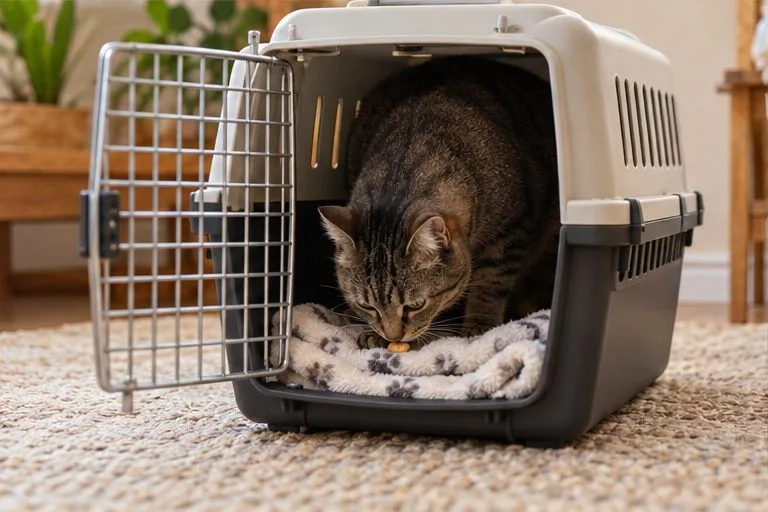
Help Your Cat Feel Safe in the Carrier Before a Vet Visit

Help Your Cat Feel Safe in the Carrier Before a Vet Visit

Learn how to choose a cat carrier, build comfort with gradual reward-based practice, and prepare for a safer, less stressful veterinary trip.

Why a Rabbit May Refuse Hay but Still Eat Treats—and What to Do Next

Why a Rabbit May Refuse Hay but Still Eat Treats—and What to Do Next

A rabbit that skips hay but accepts treats may have dental pain, GI trouble, stress, or a diet preference. Learn what to watch, what to change, and when to call a rabbit-savvy vet.

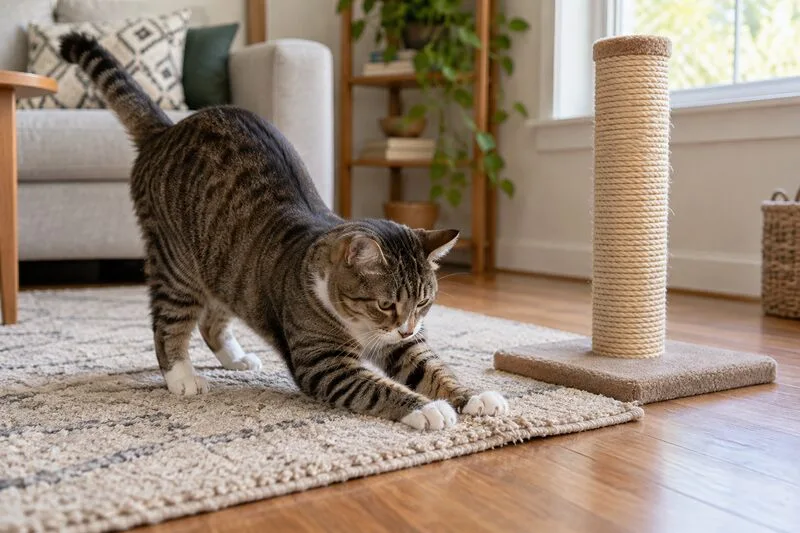
Why Does a Cat Scratch Beside the Scratching Post?

Why Does a Cat Scratch Beside the Scratching Post?

A cat may scratch beside a post because the spot, texture, angle, stability, or location suits it better. Learn what to observe and how to adjust the setup.

Why Does My Pet Get Restless at the Same Time Every Evening?

Why Does My Pet Get Restless at the Same Time Every Evening?

A pet’s evening restlessness may follow natural activity rhythms, routine cues, unmet needs, or health changes. Learn what to observe and when to call a veterinarian.

How to Help Your Cat Use a New Litter Box Without Forcing It

How to Help Your Cat Use a New Litter Box Without Forcing It

Introduce a new litter box gently: keep the familiar box available, use familiar litter, and let your cat choose. Learn when avoidance needs veterinary care.

Boredom or Anxiety? What Your Pet’s Behavior When Left Alone Can Tell You

Boredom or Anxiety? What Your Pet’s Behavior When Left Alone Can Tell You

Learn how to compare boredom and separation-related anxiety in pets, what to record on video, when to call a veterinarian, and which low-risk changes may help.

How to Introduce Two Pets When One Guards Food or Toys

How to Introduce Two Pets When One Guards Food or Toys

Plan a safer, gradual introduction when a dog guards food or toys. Learn how to separate resources, read stress signals, measure progress, and know when to get expert help.

How to Trim Pet Nails When Your Animal Dislikes Paw Handling

How to Trim Pet Nails When Your Animal Dislikes Paw Handling

Help a dog or cat accept nail care with gradual, reward-based practice. Learn what progress looks like, when to pause, and when to ask a veterinarian or groomer for help.

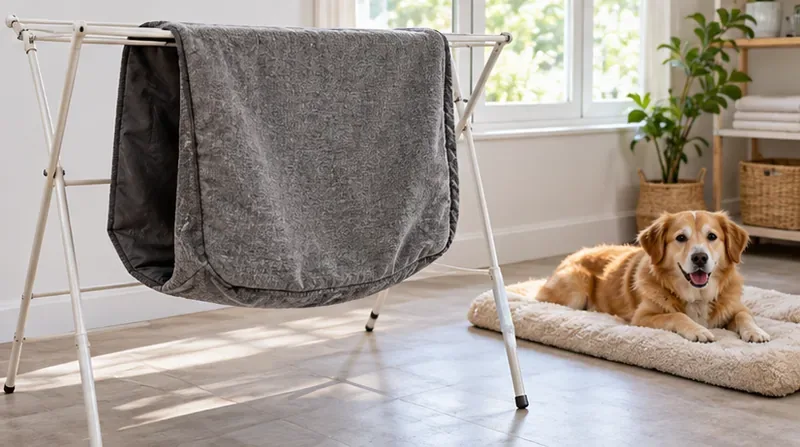
How to Clean a Pet Bed Without a Strong Detergent Scent

How to Clean a Pet Bed Without a Strong Detergent Scent

Learn how to wash a pet bed with less lingering detergent scent. Compare fragrance-free options, follow the care label, rinse thoroughly, and dry every layer safely.