What to Pack for a Pet Sitter Besides Food and Medicine
Prepare a pet-sitter kit with care instructions, emergency contacts, comfort items, cleanup supplies, ID details, and home-access notes—plus a practical handoff checklist.
Intelligence is fairly irrelevant when predicting how well a dog is going to work as a member of your family. What’s more important is trainability or biddability, qualities that describe how much — or how little — a dog concerns himself with what you want him to do.
One factor to consider is the job a breed was developed to perform. Some dogs, such as hounds, were developed to work alone or with other dogs — independent of human control. Some breeds are trained to follow their noses and won’t even hear you calling when they’re on the scent of something.
Training can take the edge off the tendency to ignore your wishes, but getting your dog to mind is going to be easier with some breeds than with others.
Three of the breeds most often touted as highly intelligent — the Border Collie, Golden Retriever, and the Doberman Pinscher — a herding dog, a hunting dog, and a protection dog, respectively —were all developed to work closely with a human handler. They come prewired to look to a human for guidance, and if the human knows enough to provide that guidance, these breeds will gladly serve. That’s their job, after all.
Prepare a pet-sitter kit with care instructions, emergency contacts, comfort items, cleanup supplies, ID details, and home-access notes—plus a practical handoff checklist.
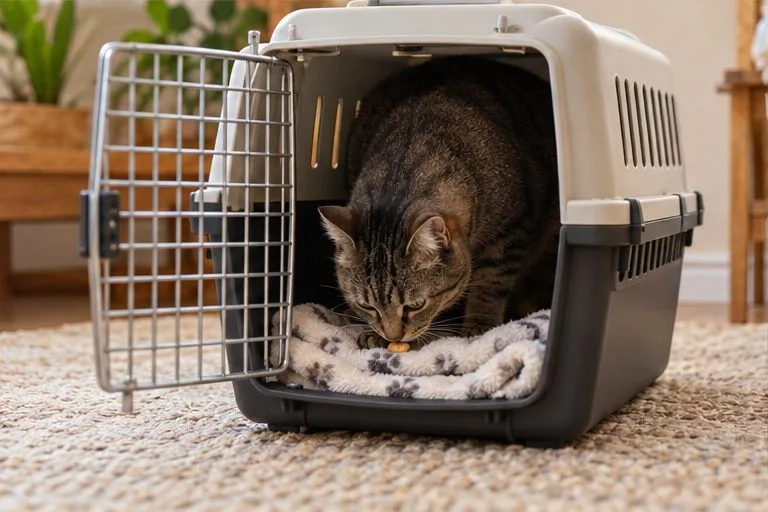
Learn how to choose a cat carrier, build comfort with gradual reward-based practice, and prepare for a safer, less stressful veterinary trip.
A rabbit that skips hay but accepts treats may have dental pain, GI trouble, stress, or a diet preference. Learn what to watch, what to change, and when to call a rabbit-savvy vet.
A cat may scratch beside a post because the spot, texture, angle, stability, or location suits it better. Learn what to observe and how to adjust the setup.
A pet’s evening restlessness may follow natural activity rhythms, routine cues, unmet needs, or health changes. Learn what to observe and when to call a veterinarian.
Introduce a new litter box gently: keep the familiar box available, use familiar litter, and let your cat choose. Learn when avoidance needs veterinary care.
Learn how to compare boredom and separation-related anxiety in pets, what to record on video, when to call a veterinarian, and which low-risk changes may help.
Plan a safer, gradual introduction when a dog guards food or toys. Learn how to separate resources, read stress signals, measure progress, and know when to get expert help.
Help a dog or cat accept nail care with gradual, reward-based practice. Learn what progress looks like, when to pause, and when to ask a veterinarian or groomer for help.
Learn how to wash a pet bed with less lingering detergent scent. Compare fragrance-free options, follow the care label, rinse thoroughly, and dry every layer safely.