Following a Cleaning Schedule to Maintain Your Aquarium

Preventative maintenance for your saltwater or freshwater aquarium is easy if you follow a schedule. A little maintenance every day will keep your fish and aquarium environment clean and healthy.

  • Do the following daily:

• Turn the aquarium lights on and off. Most aquarists prefer to use an automatic timer. If you choose not to, try to turn the lights on and off at the same times each day.

• Check your fish and invertebrates for signs of stress, disease, or death. Be prepared to remove or treat fish that aren’t well.

• Feed the fishes and invertebrates twice a day, removing any uneaten food.

• Conduct water tests until the water matures and the nitrogen cycle is established. Routine tests include ammonia, nitrite, nitrate, and pH. Record the test results.

• Check the water temperature and specific gravity or salinity. Adjust the heater, as needed.

• Empty the protein skimmer collection cup, as needed.

• Check the water level and top off, as needed.

• Check all aquarium systems: heater, filters, aerators, protein skimmer. Make sure they’re running properly and smoothly and pay special attention to intakes and siphon tubes. Make sure nothing is leaking.

  • Once a week, complete the following tasks:

• Remove excess algae, keeping beneficial algae at acceptable levels and getting rid of nuisance algae.

• Clean the glass, both inside and out, but don’t use glass cleaner. Remove salt-creep deposits.

• Conduct water tests weekly after the water matures and the nitrogen cycle is established. Record all test results and add trace elements and buffers, as needed.

  • Every two weeks, do the following:

• Clean filters, as needed. Partially change or rinse the filter media on some filters if the bioload is high, the media is dirty, or the flow is restricted.

• Change 10 percent of the tank water while vacuuming the gravel.

  • Every month, be sure you complete these tasks:

• Conduct thorough filter checks. Replace the filter carbon and rinse the filter media and components, as needed and depending on bioload.

• Clean the protein skimmer.

• Clean the outside of aquarium, removing salt and calcium deposits, dust, and dirt.

• Rinse any tank decorations that suffer from excess algae.

  • Quarterly (every three months), conduct a thorough examination of all aquarium systems, including lighting, heating, filtration, aeration pumps, and tubing. Replace or clean parts, as needed.

Leave a Comment

What to Pack for a Pet Sitter Besides Food and Medicine

What to Pack for a Pet Sitter Besides Food and Medicine

Prepare a pet-sitter kit with care instructions, emergency contacts, comfort items, cleanup supplies, ID details, and home-access notes—plus a practical handoff checklist.

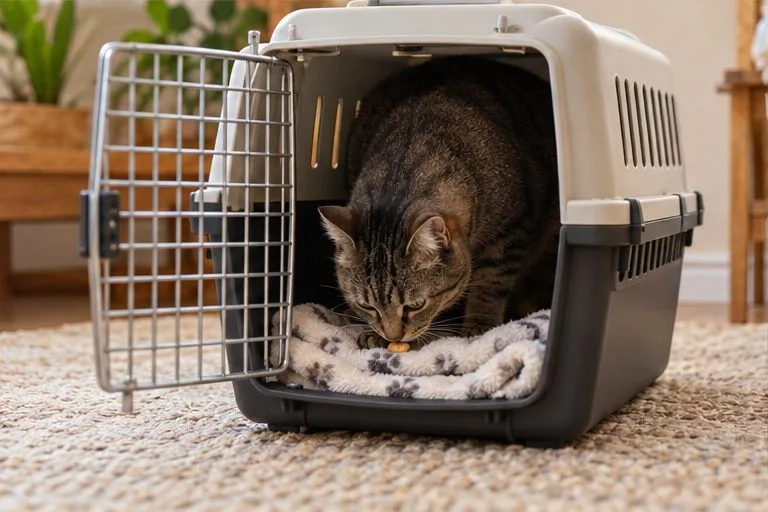
Help Your Cat Feel Safe in the Carrier Before a Vet Visit

Help Your Cat Feel Safe in the Carrier Before a Vet Visit

Learn how to choose a cat carrier, build comfort with gradual reward-based practice, and prepare for a safer, less stressful veterinary trip.

Why a Rabbit May Refuse Hay but Still Eat Treats—and What to Do Next

Why a Rabbit May Refuse Hay but Still Eat Treats—and What to Do Next

A rabbit that skips hay but accepts treats may have dental pain, GI trouble, stress, or a diet preference. Learn what to watch, what to change, and when to call a rabbit-savvy vet.

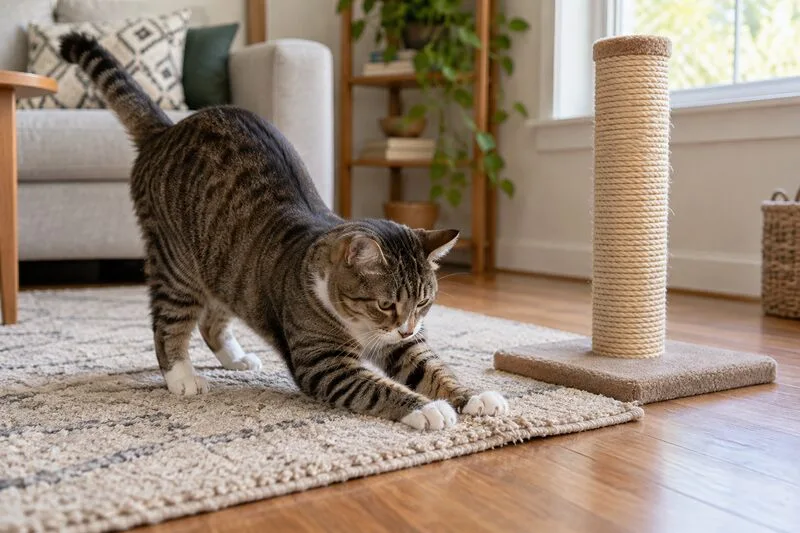
Why Does a Cat Scratch Beside the Scratching Post?

Why Does a Cat Scratch Beside the Scratching Post?

A cat may scratch beside a post because the spot, texture, angle, stability, or location suits it better. Learn what to observe and how to adjust the setup.

Why Does My Pet Get Restless at the Same Time Every Evening?

Why Does My Pet Get Restless at the Same Time Every Evening?

A pet’s evening restlessness may follow natural activity rhythms, routine cues, unmet needs, or health changes. Learn what to observe and when to call a veterinarian.

How to Help Your Cat Use a New Litter Box Without Forcing It

How to Help Your Cat Use a New Litter Box Without Forcing It

Introduce a new litter box gently: keep the familiar box available, use familiar litter, and let your cat choose. Learn when avoidance needs veterinary care.

Boredom or Anxiety? What Your Pet’s Behavior When Left Alone Can Tell You

Boredom or Anxiety? What Your Pet’s Behavior When Left Alone Can Tell You

Learn how to compare boredom and separation-related anxiety in pets, what to record on video, when to call a veterinarian, and which low-risk changes may help.

How to Introduce Two Pets When One Guards Food or Toys

How to Introduce Two Pets When One Guards Food or Toys

Plan a safer, gradual introduction when a dog guards food or toys. Learn how to separate resources, read stress signals, measure progress, and know when to get expert help.

How to Trim Pet Nails When Your Animal Dislikes Paw Handling

How to Trim Pet Nails When Your Animal Dislikes Paw Handling

Help a dog or cat accept nail care with gradual, reward-based practice. Learn what progress looks like, when to pause, and when to ask a veterinarian or groomer for help.

How to Clean a Pet Bed Without a Strong Detergent Scent

How to Clean a Pet Bed Without a Strong Detergent Scent

Learn how to wash a pet bed with less lingering detergent scent. Compare fragrance-free options, follow the care label, rinse thoroughly, and dry every layer safely.