How to Use Kitchen Knives Safely

Knives can cut you, whether they’re super sharp or very dull. Very sharp knives can easily cut skin, and dull knives can slip, putting you at risk for losing control and getting cut. You can prevent kitchen cuts in several ways:

  • Keep your knives sharp. But be sure to keep them out of reach of children. Dull knives can slip while you’re cutting. Also, you’re more apt to be careful with sharp knives.

  • Slice away from your hand and keep your fingers clear of the blade. Slicing away from your hand prevents an accidental cut if the knife slips.

  • Don’t ever use the palm of your hand as a cutting board. That’s just inviting the knife to slice into your hand!

  • When mincing, keep the tip of your knife on the cutting board and pump the handle up and down quickly. However, because that knife is moving fast, be extra careful about your fingers.

  • Curl your fingers under and hold the food with your fingertips when chopping. Better to ding a knuckle than slice a fingertip!

    How to Use Kitchen Knives Safely

    Credit: Marshall Gordon/Cole Group/PhotoDisc

  • Use caution with steak knives. They’re sharp enough to cut meat, which means they’re sharp enough to cut you.

  • Don’t lick the cream cheese off that butter knife! It really can cut your tongue.

  • Secure your cutting board. If it doesn’t have rubber feet to help grip the counter, put a damp towel under the board when cutting.

  • Never slice things freehand over the sink. That’s just an accident waiting to happen!

If you do cut yourself, wash the cut and apply pressure to stop the bleeding. Raise your hand above your head while you press the cut with a cloth or paper towel until the bleeding stops. Then, put antibiotic cream on the cut and bandage it.
Leave a Comment

Why Does Sauce Separate After Reheating, and Can You Fix It?

Why Does Sauce Separate After Reheating, and Can You Fix It?

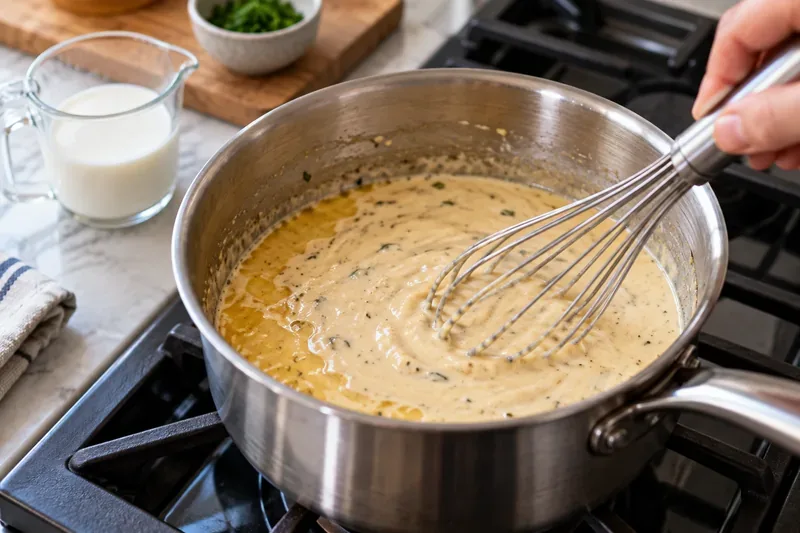
Sauce can split after reheating when fat, water, proteins, or starch fall out of balance. Learn why it happens, which sauces can be rescued, and how to reheat them safely.

What Makes Pancakes Tough Instead of Fluffy? Causes and Fixes

What Makes Pancakes Tough Instead of Fluffy? Causes and Fixes

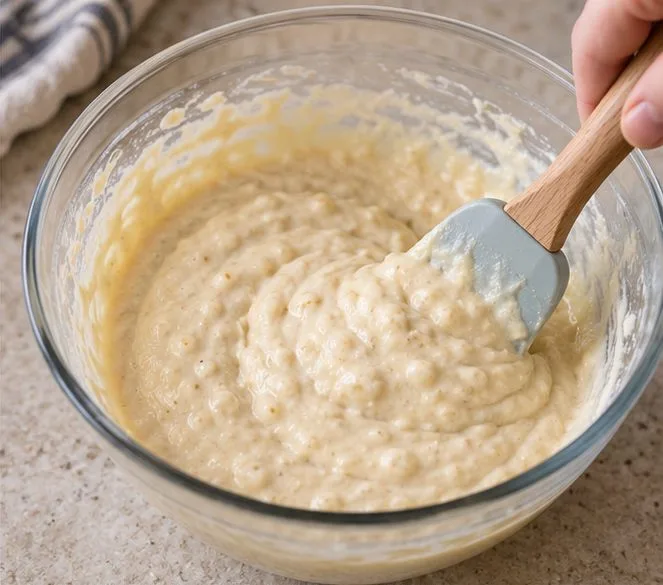
Find out why pancakes turn tough, chewy, or dense. Learn how to mix batter gently, check leaveners, control pan heat, and cook a fluffy test batch.

How to Fix Soup That Tastes Too Salty Without Doubling the Recipe

How to Fix Soup That Tastes Too Salty Without Doubling the Recipe

Rescue salty soup with measured dilution, liquid exchange, or unsalted add-ins. Learn what potatoes, lemon, sugar, and cream can—and cannot—do.

How to Cool a Large Pot of Food Safely Before Refrigerating It

How to Cool a Large Pot of Food Safely Before Refrigerating It

Cool a large pot of soup, stew, or other leftovers safely: divide it into shallow containers, use an ice bath when needed, and refrigerate promptly.

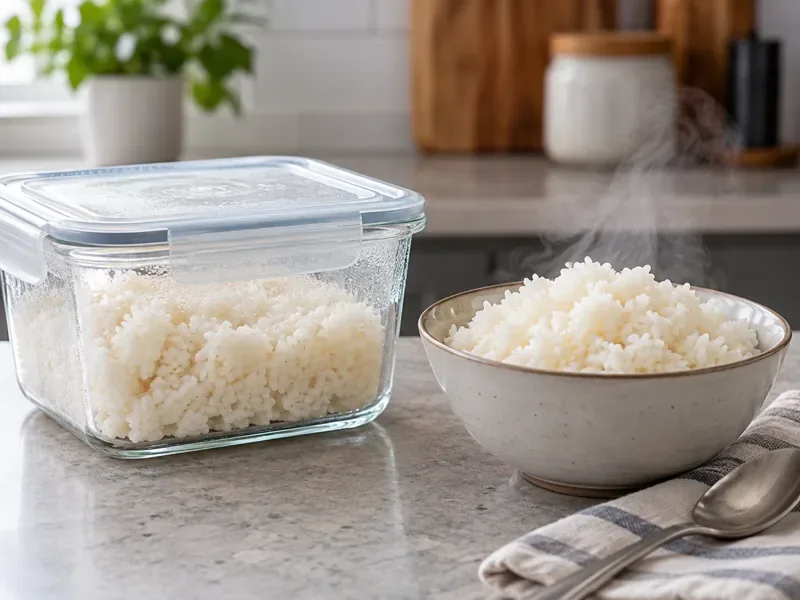
Why Cooked Rice Gets Hard in the Fridge—and How to Reheat It Safely

Why Cooked Rice Gets Hard in the Fridge—and How to Reheat It Safely

Learn why refrigerated rice firms up, how to restore its texture, and how to cool, store, and reheat leftovers safely to 165°F.

How to Help a Small Batch of Dough Rise in a Cool Kitchen

How to Help a Small Batch of Dough Rise in a Cool Kitchen

Use a gentle warm spot, cover the dough, and follow visual cues to help a small batch rise in a cool kitchen without overheating or overproofing it.

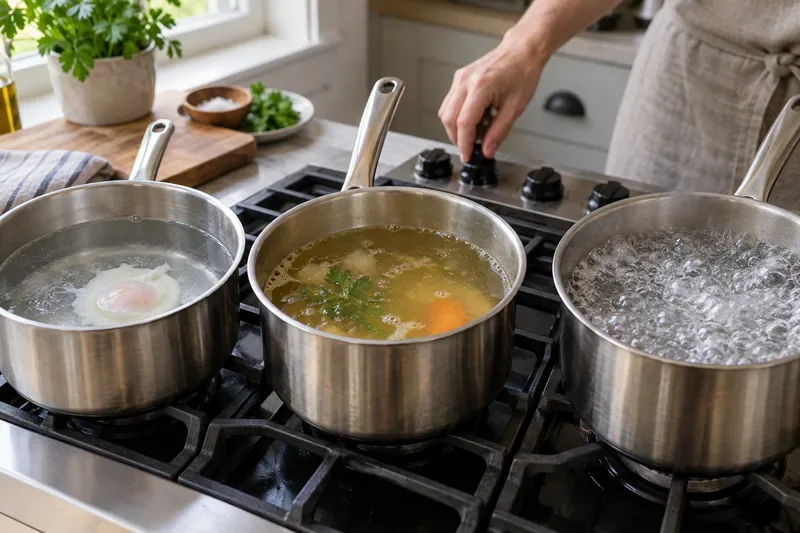
Simmering vs. Poaching vs. Boiling: How to Tell the Difference

Simmering vs. Poaching vs. Boiling: How to Tell the Difference

Learn how poaching, simmering, and boiling differ by water movement, temperature, and best uses, plus how to control the heat and check doneness safely.

Why Chocolate Seizes When Melting—and the Best Way to Save It

Why Chocolate Seizes When Melting—and the Best Way to Save It

Learn why melted chocolate turns thick and grainy, how to rescue it as sauce or ganache, and when baking or starting over is the better choice.

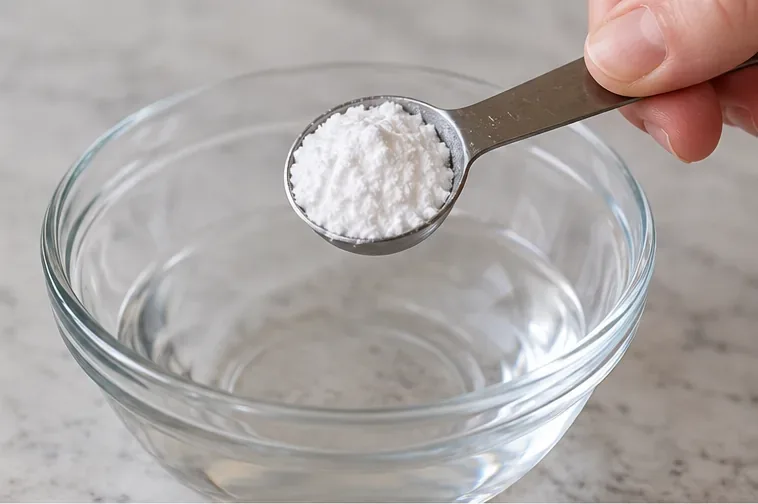
How to Tell Whether Baking Powder Is Still Active

How to Tell Whether Baking Powder Is Still Active

Test baking powder with warm water, read the bubbles, and learn when to replace it. This simple guide also explains storage, dates, and common testing mistakes.

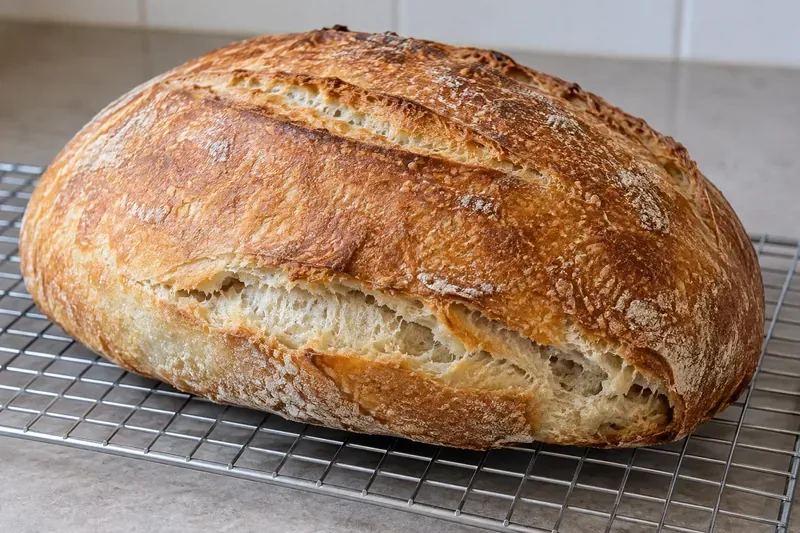
Why Homemade Bread Splits on the Side Instead of the Top

Why Homemade Bread Splits on the Side Instead of the Top

A side split usually means the loaf expanded at a weak point instead of opening through its score. Learn how scoring, steam, shaping, proofing, and pan fit affect the result.