How to Find a Hidden Water Leak Under a Sink: A Simple, Safe Check
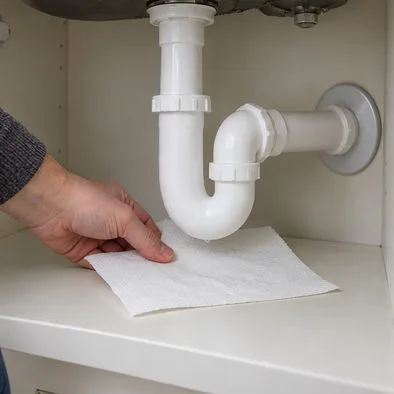
Use dry paper towels and four focused checks to find a hidden sink leak, tell supply leaks from drain leaks, and know when to call a plumber.
To tackle a do-it-yourself plumbing project, you need to know how to recognize different types of pipes. Recognizing the different types of pipes within your house is vital to knowing the right repair technique.
The most common pipes used today are copper, PVC, or ABS. However, when dealing with older homes, you might encounter a number of other piping material. For example, homes built before 1960 used galvanized steel or cast iron DWV (drain/waste/vent) pipe systems.
Here’s a quick look at types of pipes commonly used in homes, beginning with the pipes used for DWV systems.
Cast iron: Commonly used before 1960 for the vertical drain, vent stacks, and sometimes the horizontal drain lines. Cast iron is durable, but can rust over time. Call a professional plumber to replace rusted sections with plastic (PVC or ABS) and the correct transition fittings.
Plastic: Plastic pipe comes as either ABS (acrylonitrile-butadiene-styrene) or PVC (polyvinyl-chloride). Most homes since mid-1970 have plastic pipes and fittings because it’s inexpensive and easy to use. Simply glue the joints using a primer and liquid cement.
ABS: This black pipe was the first plastic pipe to be used in residential plumbing. Today, many areas don’t allow ABS in new construction because joints can come loose. Check with your local plumbing inspector if you want to use ABS.
PVC: This white or cream-colored pipe is the most commonly used pipe for drain lines. It’s strong, untouchable by chemicals, and seems to last forever! The rating and diameter is stamped right on the pipe.
Schedule 40 PVC is strong enough for residential drain lines, but check with your plumbing inspector first. CPVC (chlorinated polyvinyl chloride) pipe has the strength of PVC but is heat-resistant, which makes it acceptable in many regions for use on interior supply lines. Schedule 80 PVC is sometimes used for cold-water supply lines, but it isn’t allowed in some regions because it isn’t suitable for hot water.

Do-it-yourselfers can handle ABS or PVC pipes, but call a professional for cast iron.
PEX: PEX (cross-linked polyethylene) is the newest pipe for residential use. Approved in many regions of the country, PEX is easy to install because it cuts easily, is flexible, and uses compression fittings. However, more permanent connections require a special crimping tool. PEX is three to four times more expensive than copper or plastic.
Steel: Galvanized steel pipe is common in older homes. Galvanized pipe is strong, but lasts only about 50 years. Before repairing, consider replacing instead. Call a professional to deal with it.
Copper: Copper pipe is resists corrosion, so it’s commonly used pipe in water supply lines. It costs more than plastic but it lasts! There are two common types of copper pipe:
Rigid copper, which comes in three thicknesses. Type M is the thinnest but is strong enough for most homes. Types L and Type K are thicker and used in outdoor and drain applications. To cut rigid copper, you’ll need a wheel cutter, tube cutter, or a hacksaw. Pipes are usually connected with soldered (sweat) fittings and compression fittings can connect the pipe to shut-off valves.
Flexible copper, which is often used for dishwashers, refrigerator icemakers, and other appliances that need a water supply. It’s easy to bend, but if it kinks, you must cut the piece off and replace it. Sections of flexible copper pipe are joined using either soldered or compression fittings.
Consider longevity and expense when choosing piping.
Use dry paper towels and four focused checks to find a hidden sink leak, tell supply leaks from drain leaks, and know when to call a plumber.
Bathroom mirror streaks often come from residue, dirty cloths, excess cleaner, or dried water. Find the likely cause and a gentle way to fix it.
Reduce overnight window condensation by controlling indoor moisture, improving airflow, monitoring humidity, and knowing when the window itself needs attention.
Reduce cooking and kitchen odors without fragrance by improving ventilation, cleaning grease and food residue, managing waste, and finding persistent odor sources.
Learn why ceiling fans wobble, which warning signs mean turn it off, and what you can safely check before calling an electrician.
Learn why indoor plant leaves turn brown at the edges, how to read clues about watering, humidity, salts, and light, and when to seek expert help.
Keep stored clothes dry without mothballs: measure closet humidity, reduce moisture at the source, dry garments fully, choose suitable storage, and inspect for mold.
Musty towels often point to lingering moisture, washer residue, or slow drying. Learn how a hypothetical laundry example helps narrow the cause and what to change first.
Keep balcony plants hydrated during a short trip with a plan based on pot size, plant needs, sun, and wind. Compare wicks, self-watering pots, and plant sitters.
Move a heavy houseplant safely without scratching hardwood, denting flooring, spilling soil, or straining your back. Use a protected path, a dolly, and a controlled team lift.