How to Find a Hidden Water Leak Under a Sink: A Simple, Safe Check
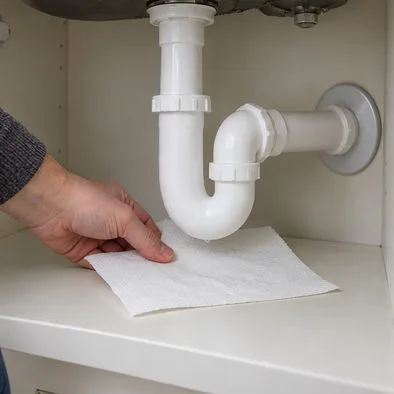
Use dry paper towels and four focused checks to find a hidden sink leak, tell supply leaks from drain leaks, and know when to call a plumber.
Knowing when to hire a plumber can save money in the long run. Hire a plumber when the problem is extensive and requires expertise to pin down, and when there’s a higher risk of doing more damage than good.
When the following situations arise, it’s best to call a licensed professional plumber. So get to know a good plumber in your area, and keep his or her name and number handy for emergencies.
Low water pressure throughout the house: This problem can be caused by a number of factors, such as obstructions (rust or debris) in the water lines; low water pressure from the city supply or a well; or even poor supply-line design. A good plumber will be able to analyze the problem and determine the cause.
No hot water: Unless the hot water tank is leaking, it might be hard to determine the cause. Electric heaters problems include: heating elements, circuit breakers or blown fuses, faulty thermostats, or a bad overload switch. Gas heater problems include: thermocouple burners and igniters.
Replacing a water heater: Think twice before attempting to replace a heater by yourself. Remember, your plumber can carry the new one to the basement, hook it up, make sure that it works properly, and dispose of the old one.
Sewer line stoppage: If you can’t get the sewer line to stop backing up, you probably have a bad plug in the line that runs out to the main sewer. (Tree roots are often the cause.) You can rent a big sewer rodding machine, but they can damage the drain or sewer lines. Call a plumber or drain-cleaning service. If they get in trouble, they’ll make the repairs.
Frozen pipes: If a pipe freezes, check carefully to see if the pipe has already burst or cracked. If it’s bad news, go ahead and call a plumber. You can try to thaw a pipe with a hair dryer, but even if the pipe isn’t cracked, you still may want to call a plumber: Some plumbers simply replace a section of frozen pipe rather than thaw it.
Extensive water line damage: Repairing water line damage, which is usually caused by freezing, can take up a lot of your valuable time. It’s better to pay a plumber so that you can earn money at your regular job.
Use dry paper towels and four focused checks to find a hidden sink leak, tell supply leaks from drain leaks, and know when to call a plumber.
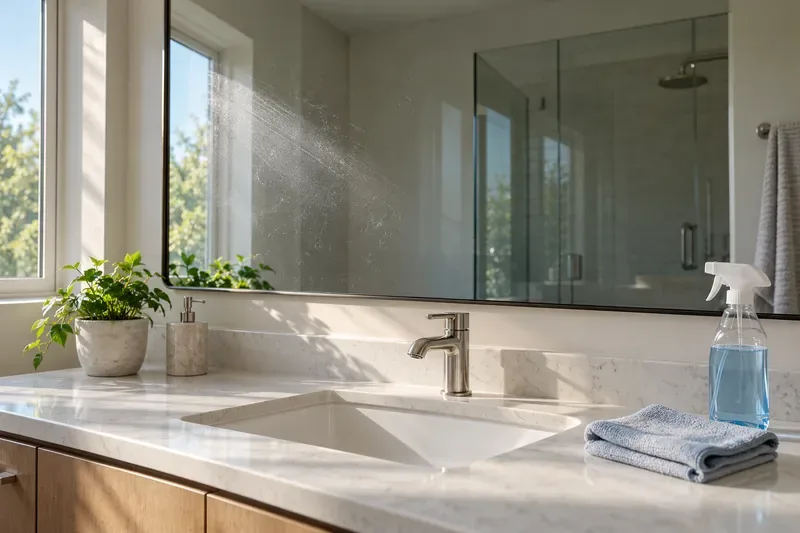
Bathroom mirror streaks often come from residue, dirty cloths, excess cleaner, or dried water. Find the likely cause and a gentle way to fix it.
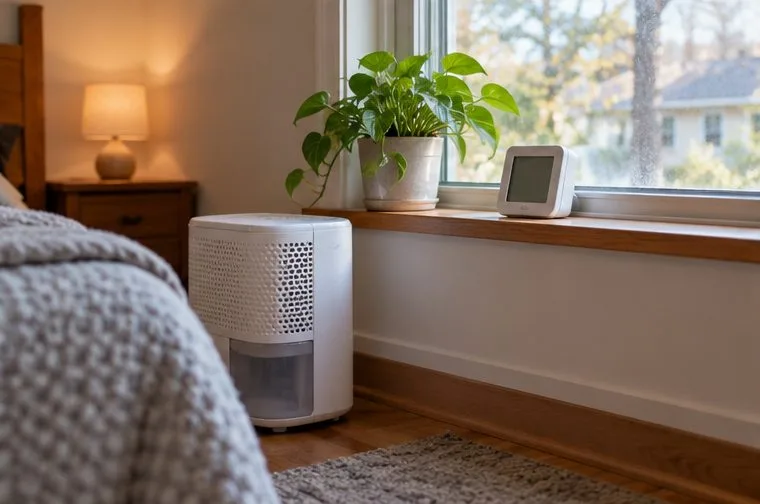
Reduce overnight window condensation by controlling indoor moisture, improving airflow, monitoring humidity, and knowing when the window itself needs attention.
Reduce cooking and kitchen odors without fragrance by improving ventilation, cleaning grease and food residue, managing waste, and finding persistent odor sources.
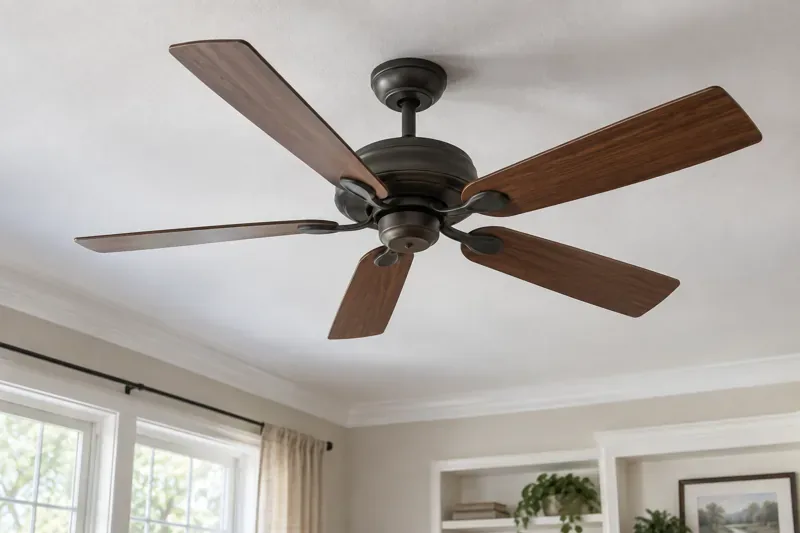
Learn why ceiling fans wobble, which warning signs mean turn it off, and what you can safely check before calling an electrician.
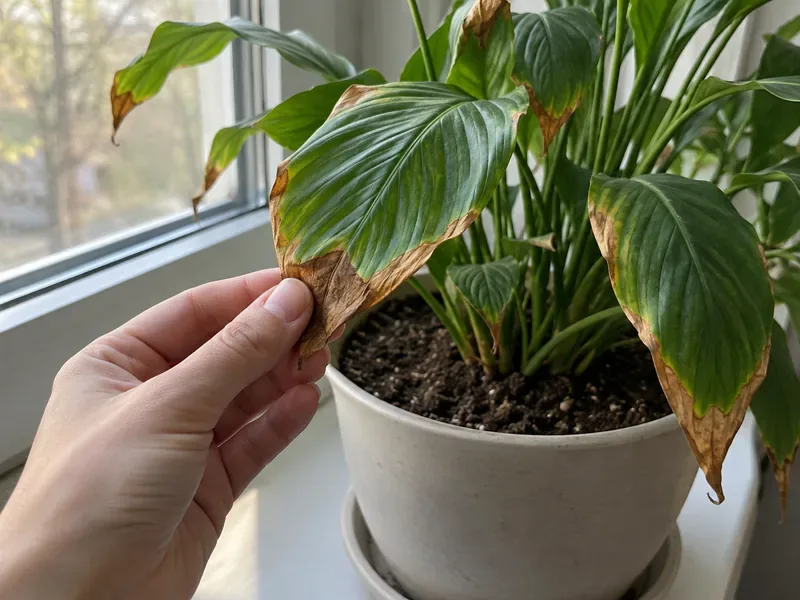
Learn why indoor plant leaves turn brown at the edges, how to read clues about watering, humidity, salts, and light, and when to seek expert help.
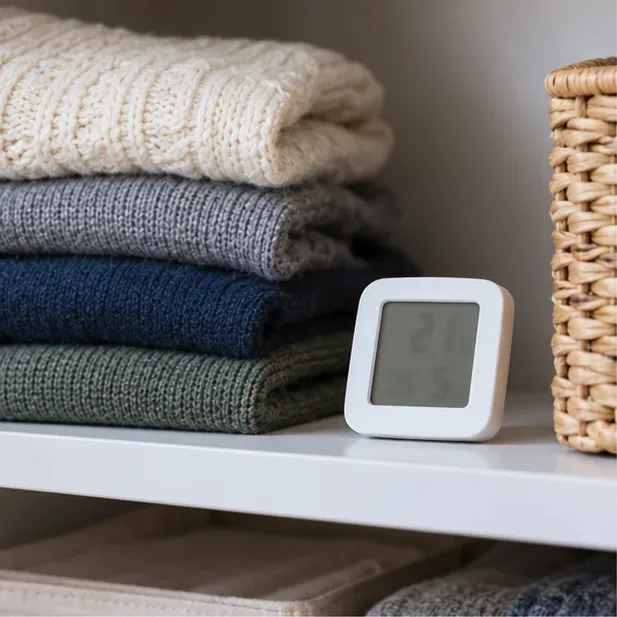
Keep stored clothes dry without mothballs: measure closet humidity, reduce moisture at the source, dry garments fully, choose suitable storage, and inspect for mold.
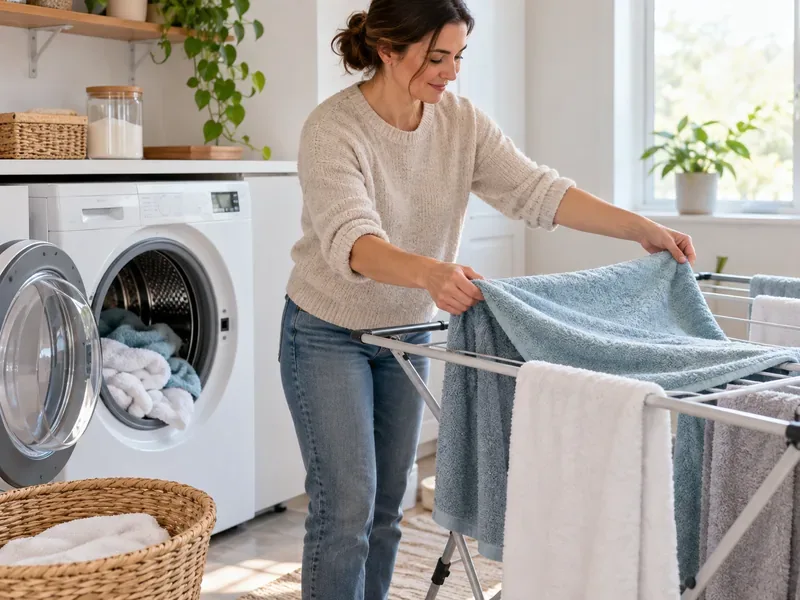
Musty towels often point to lingering moisture, washer residue, or slow drying. Learn how a hypothetical laundry example helps narrow the cause and what to change first.
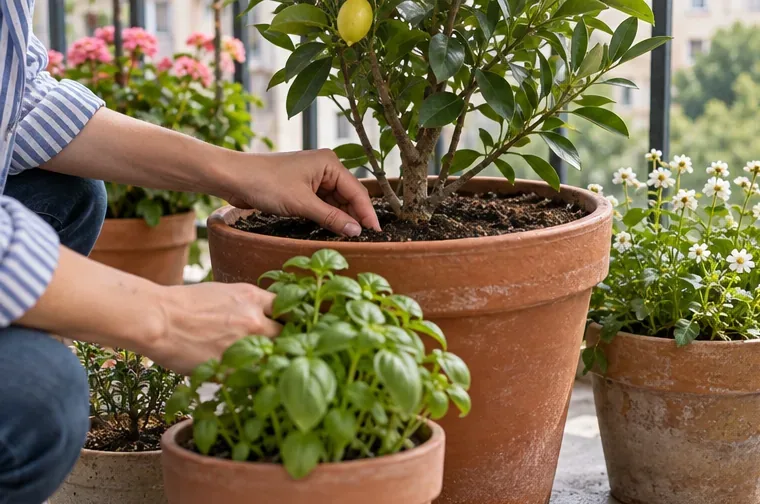
Keep balcony plants hydrated during a short trip with a plan based on pot size, plant needs, sun, and wind. Compare wicks, self-watering pots, and plant sitters.
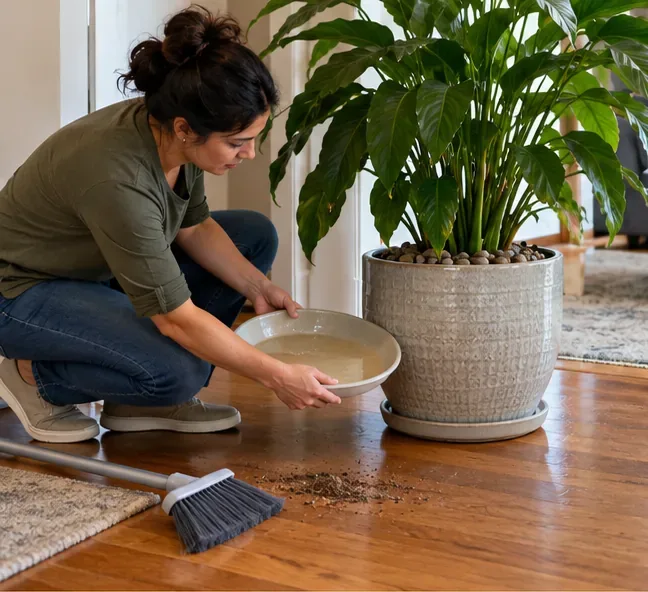
Move a heavy houseplant safely without scratching hardwood, denting flooring, spilling soil, or straining your back. Use a protected path, a dolly, and a controlled team lift.