Water-Bath Canning High-Acid Foods

Water-bath canning, sometimes referred to as the boiling-water method of canning, is the simplest and easiest method for preserving high-acid food. Water-bath canning destroys any active bacteria and microorganisms in your food, making it safe for consumption at a later time.

Prepare equipment and utensils.

Examine the jars for nicks or chips, the screw bands for proper fit and corrosion, and the new lids for imperfections and scratches. Wash everything in warm, soapy water, rinsing the items well and removing any soap residue.

Fill your canning kettle one-half to two-thirds full of water and begin heating the water.

Heat extra water in a saucepan as a reserve.

Submerge clean jars and lids in hot, not boiling, water.

Use your canning kettle for the jars and saucepan for the lids.

Transfer prepared food into the hot jars and release any air bubbles with a nonmetallic spatula.

Add more prepared food or liquid to the jar after releasing the air bubbles to maintain the recommended headspace.

Wipe the jar rims with a clean, damp cloth.

You need the rims clean to properly place the lids.

Place a hot lid onto each jar rim and hand-tighten the screw band.

Make sure the sealant side is touching the jar rim.

Suspend the jar rack on the inside edge of your canning kettle, place the filled jars in the jar rack, and lower the jar rack into the hot water.

Make sure the jars are standing upright and not touching each other. If your jars aren’t covered by at least 1 inch of water, add boiling water from your reserve.

Cover the kettle and heat the water to a boil, reducing the heat and maintaining a gentle boil.

Start your processing time after the water boils. Maintain a boil for the entire processing period.

At the end of the processing time, remove your jars from the kettle with a jar lifter and allow them to cool.

Place them on a clean towel or paper towels. Completely cool the jars (12 to 24 hours).

Test the seals on the cooled jars by pushing on the center of the lid.

If the lid feels solid and doesn’t indent, you have a successful vacuum seal.

Remove the screw bands from your sealed jars, then wash the sealed jars and the screw bands in hot, soapy water.

This removes any residue from the jars and screw bands.

Label your filled jars, including the date processed, and store them (without the screw bands) in a cool, dark, dry place.
Leave a Comment

Why Does Sauce Separate After Reheating, and Can You Fix It?

Why Does Sauce Separate After Reheating, and Can You Fix It?

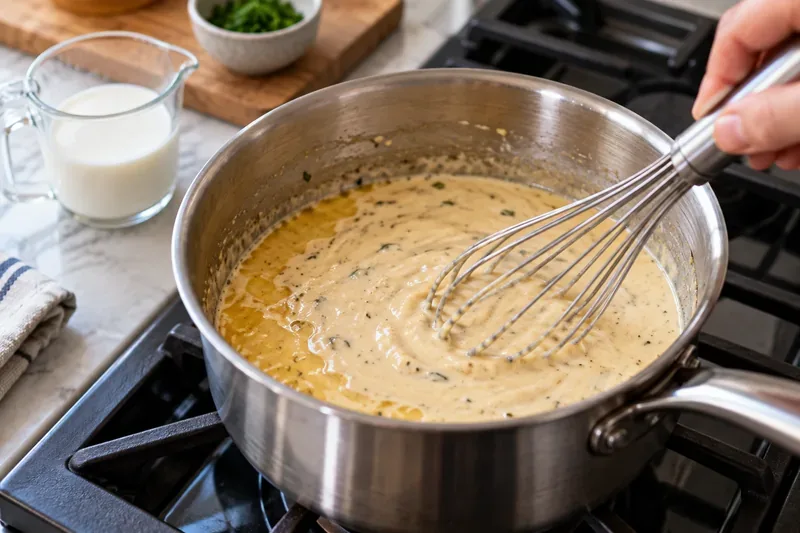
Sauce can split after reheating when fat, water, proteins, or starch fall out of balance. Learn why it happens, which sauces can be rescued, and how to reheat them safely.

What Makes Pancakes Tough Instead of Fluffy? Causes and Fixes

What Makes Pancakes Tough Instead of Fluffy? Causes and Fixes

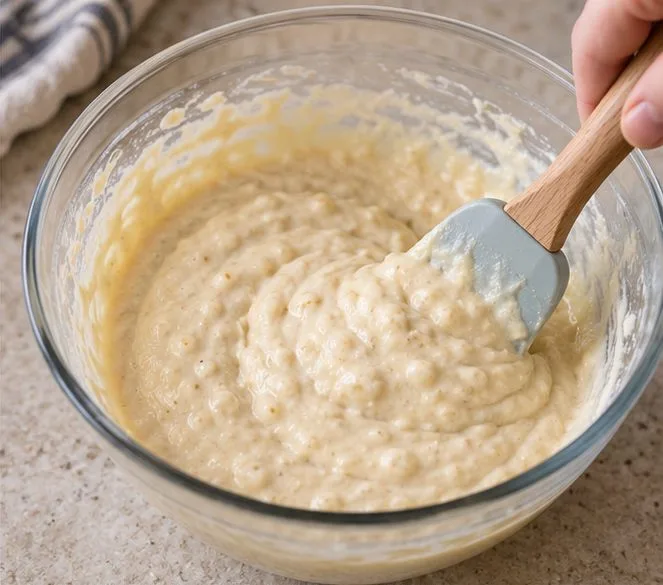
Find out why pancakes turn tough, chewy, or dense. Learn how to mix batter gently, check leaveners, control pan heat, and cook a fluffy test batch.

How to Fix Soup That Tastes Too Salty Without Doubling the Recipe

How to Fix Soup That Tastes Too Salty Without Doubling the Recipe

Rescue salty soup with measured dilution, liquid exchange, or unsalted add-ins. Learn what potatoes, lemon, sugar, and cream can—and cannot—do.

How to Cool a Large Pot of Food Safely Before Refrigerating It

How to Cool a Large Pot of Food Safely Before Refrigerating It

Cool a large pot of soup, stew, or other leftovers safely: divide it into shallow containers, use an ice bath when needed, and refrigerate promptly.

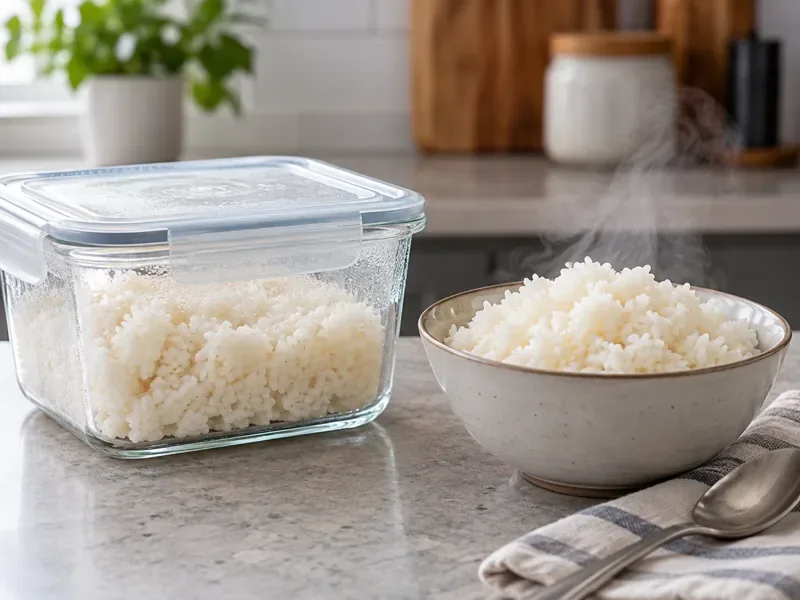
Why Cooked Rice Gets Hard in the Fridge—and How to Reheat It Safely

Why Cooked Rice Gets Hard in the Fridge—and How to Reheat It Safely

Learn why refrigerated rice firms up, how to restore its texture, and how to cool, store, and reheat leftovers safely to 165°F.

How to Help a Small Batch of Dough Rise in a Cool Kitchen

How to Help a Small Batch of Dough Rise in a Cool Kitchen

Use a gentle warm spot, cover the dough, and follow visual cues to help a small batch rise in a cool kitchen without overheating or overproofing it.

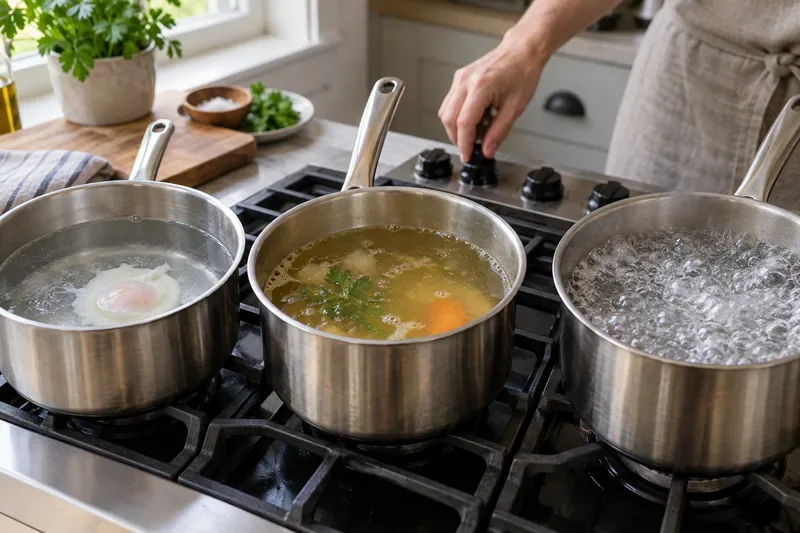
Simmering vs. Poaching vs. Boiling: How to Tell the Difference

Simmering vs. Poaching vs. Boiling: How to Tell the Difference

Learn how poaching, simmering, and boiling differ by water movement, temperature, and best uses, plus how to control the heat and check doneness safely.

Why Chocolate Seizes When Melting—and the Best Way to Save It

Why Chocolate Seizes When Melting—and the Best Way to Save It

Learn why melted chocolate turns thick and grainy, how to rescue it as sauce or ganache, and when baking or starting over is the better choice.

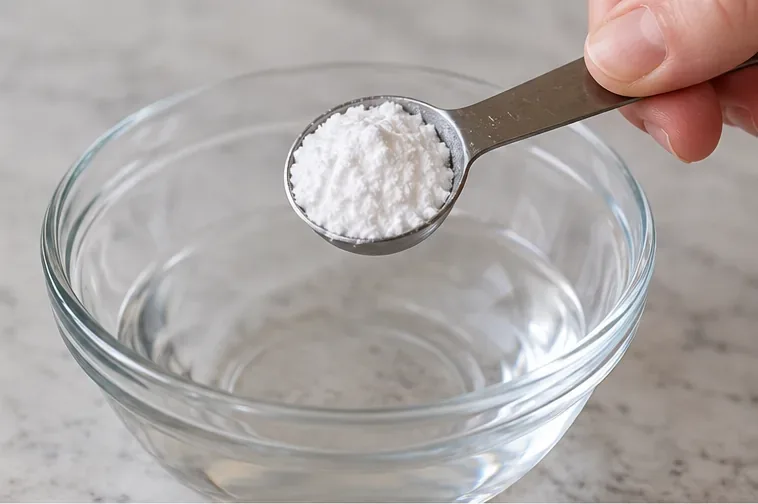
How to Tell Whether Baking Powder Is Still Active

How to Tell Whether Baking Powder Is Still Active

Test baking powder with warm water, read the bubbles, and learn when to replace it. This simple guide also explains storage, dates, and common testing mistakes.

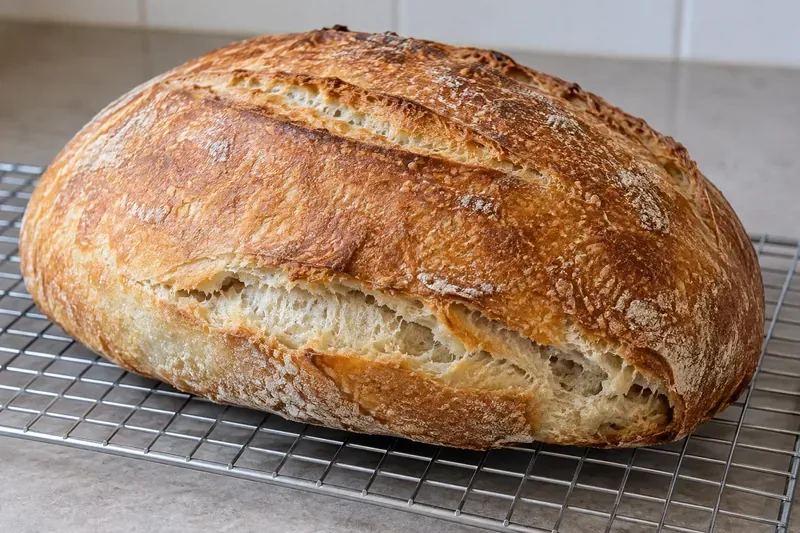
Why Homemade Bread Splits on the Side Instead of the Top

Why Homemade Bread Splits on the Side Instead of the Top

A side split usually means the loaf expanded at a weak point instead of opening through its score. Learn how scoring, steam, shaping, proofing, and pan fit affect the result.