How to Prevent Kitchen Fires

You can do a lot to prevent kitchen fires. Although you can’t remove every possible source of a kitchen fire, you can minimize fire risks by removing hazards and maintaining your kitchen. Follow these prevention tips to keep your kitchen safe:

  • Keep appliances serviced, clean, and in good repair. Dump the crumb tray and clean out the toaster crumbs periodically from the toaster or toaster oven. Wipe out the microwave. Clean the oven. Unplug any appliances that start acting funny, then have them repaired or replace them.

  • Unplug electric appliances when not in use. Toaster ovens, mixers, coffee makers, and so on, continue to draw electricity even when they’re not turned on. So if the wiring is old or faulty, or if the thermostat overheats, a fire could break out.

  • Install a smoke detector near, but not in the kitchen. You don’t want the small amount of smoke or steam that cooking sometimes generates to constantly trigger the alarm — but you do want it to sense an actual kitchen fire.

  • Use caution when lighting the pilot light or burner on a gas stove. Follow the manufacturer’s instructions

  • Don’t use metal in the microwave. The sparks can turn into fire or can seriously damage your microwave.

  • Don’t overfill pots or pans with oil or grease. The hot oil or grease, like in this figure, can splatter and cause a fire.

  • Wipe up spills and don’t cook on a dirty stove. Grease buildup is flammable. A clean stove is a fire-free stove.

  • Always roll up long sleeves and tie back long hair when cooking. You don’t need your beautiful flowing silk sleeves trailing in the spaghetti sauce, and you certainly don’t need to catch on fire!

  • Never leave cooking food unattended. Stay in the kitchen, especially if you’re cooking in grease or if the oven is at a very high heat. Turn off the burner or oven if you need to leave the house or get caught up in a phone call.

  • Keep dish towels, pot holders, and paper towels away from the stove. You might have left a burner on by accident, and built-up heat could ignite combustibles left near or on the stove or oven.
Leave a Comment

Why Does Sauce Separate After Reheating, and Can You Fix It?

Why Does Sauce Separate After Reheating, and Can You Fix It?

Sauce can split after reheating when fat, water, proteins, or starch fall out of balance. Learn why it happens, which sauces can be rescued, and how to reheat them safely.

What Makes Pancakes Tough Instead of Fluffy? Causes and Fixes

What Makes Pancakes Tough Instead of Fluffy? Causes and Fixes

Find out why pancakes turn tough, chewy, or dense. Learn how to mix batter gently, check leaveners, control pan heat, and cook a fluffy test batch.

How to Fix Soup That Tastes Too Salty Without Doubling the Recipe

How to Fix Soup That Tastes Too Salty Without Doubling the Recipe

Rescue salty soup with measured dilution, liquid exchange, or unsalted add-ins. Learn what potatoes, lemon, sugar, and cream can—and cannot—do.

How to Cool a Large Pot of Food Safely Before Refrigerating It

How to Cool a Large Pot of Food Safely Before Refrigerating It

Cool a large pot of soup, stew, or other leftovers safely: divide it into shallow containers, use an ice bath when needed, and refrigerate promptly.

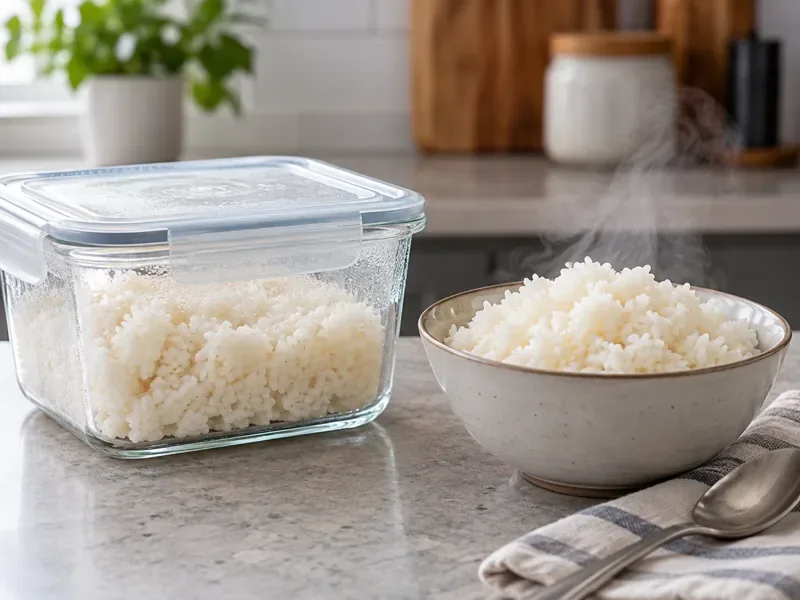
Why Cooked Rice Gets Hard in the Fridge—and How to Reheat It Safely

Why Cooked Rice Gets Hard in the Fridge—and How to Reheat It Safely

Learn why refrigerated rice firms up, how to restore its texture, and how to cool, store, and reheat leftovers safely to 165°F.

How to Help a Small Batch of Dough Rise in a Cool Kitchen

How to Help a Small Batch of Dough Rise in a Cool Kitchen

Use a gentle warm spot, cover the dough, and follow visual cues to help a small batch rise in a cool kitchen without overheating or overproofing it.

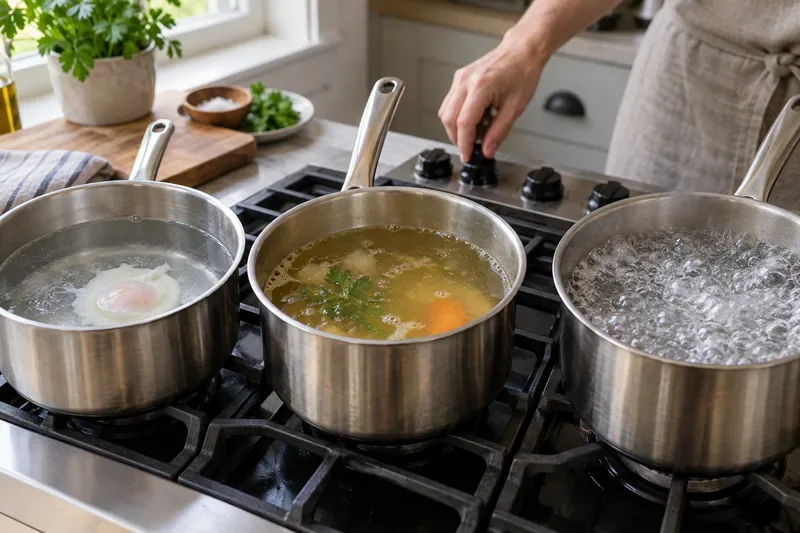
Simmering vs. Poaching vs. Boiling: How to Tell the Difference

Simmering vs. Poaching vs. Boiling: How to Tell the Difference

Learn how poaching, simmering, and boiling differ by water movement, temperature, and best uses, plus how to control the heat and check doneness safely.

Why Chocolate Seizes When Melting—and the Best Way to Save It

Why Chocolate Seizes When Melting—and the Best Way to Save It

Learn why melted chocolate turns thick and grainy, how to rescue it as sauce or ganache, and when baking or starting over is the better choice.

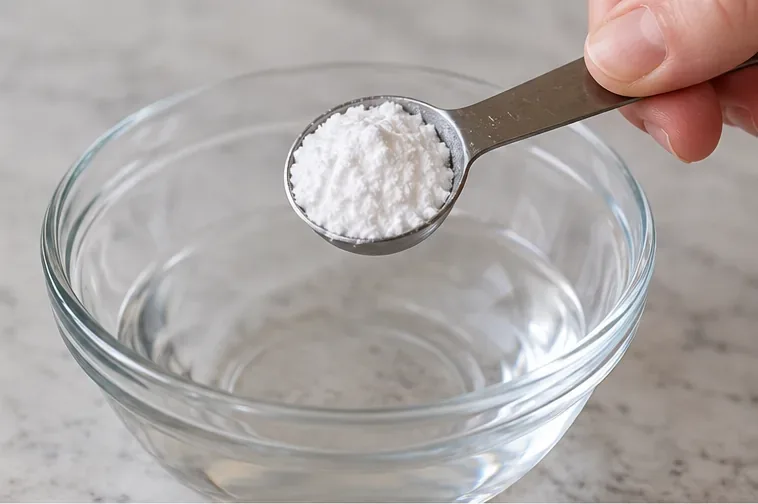
How to Tell Whether Baking Powder Is Still Active

How to Tell Whether Baking Powder Is Still Active

Test baking powder with warm water, read the bubbles, and learn when to replace it. This simple guide also explains storage, dates, and common testing mistakes.

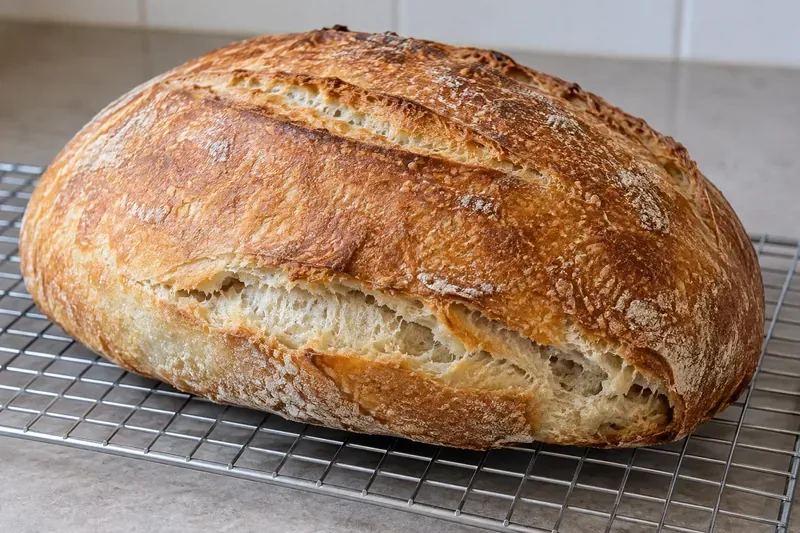
Why Homemade Bread Splits on the Side Instead of the Top

Why Homemade Bread Splits on the Side Instead of the Top

A side split usually means the loaf expanded at a weak point instead of opening through its score. Learn how scoring, steam, shaping, proofing, and pan fit affect the result.