How to Find a Hidden Water Leak Under a Sink: A Simple, Safe Check
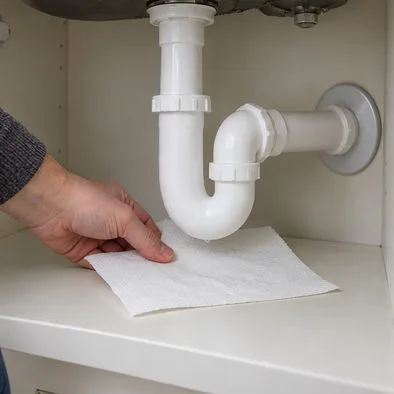
Use dry paper towels and four focused checks to find a hidden sink leak, tell supply leaks from drain leaks, and know when to call a plumber.
Living green certainly extends to your vehicle, but the right time to replace your wheels isn’t always obvious. Maybe you know you can get by with a smaller, more fuel-efficient vehicle because the kids are off to college; maybe you can’t keep your older model car running efficiently anymore. But maybe things aren’t so clear-cut, so consider these points as you make your decision:
Mechanical condition: Compare how much the vehicle costs, or is likely to cost, per year in repairs and maintenance given its age. If your mechanic tells you that you have seriously expensive repairs ahead, or if parts are becoming hard to find, it may be time to let go.
Suitability: Is it still the right vehicle for your needs? If you’re driving a sporty coupe but you need room for car seats, replacement may be your best option.
Fuel efficiency: If you switch from a heavy drinker to a light sipper, how much money could you save each year based on the miles you usually drive?
Insurance: Check with your insurance company to find out the cost difference in insuring your older vehicle and the newer models that you’re considering. Although insurance savings shouldn’t be the sole factor in your decision, it could make keeping the older vehicle more economical — or if you’re considering a switch from a sporty vehicle to a family-oriented one, the change may be more cost-effective.
Reducing the decision to financial nuts and bolts can remove the emotion from the choice — you may be surprisingly attached to that combination of metal and rubber.
If you decide to replace your vehicle and you’re not yet ready for alternative fuels, at least choose the most fuel-efficient vehicle you can find. Find information about fuel economy ratings from the U.S. government or Consumer Reports (enter fuel economy into the search box).
Use dry paper towels and four focused checks to find a hidden sink leak, tell supply leaks from drain leaks, and know when to call a plumber.
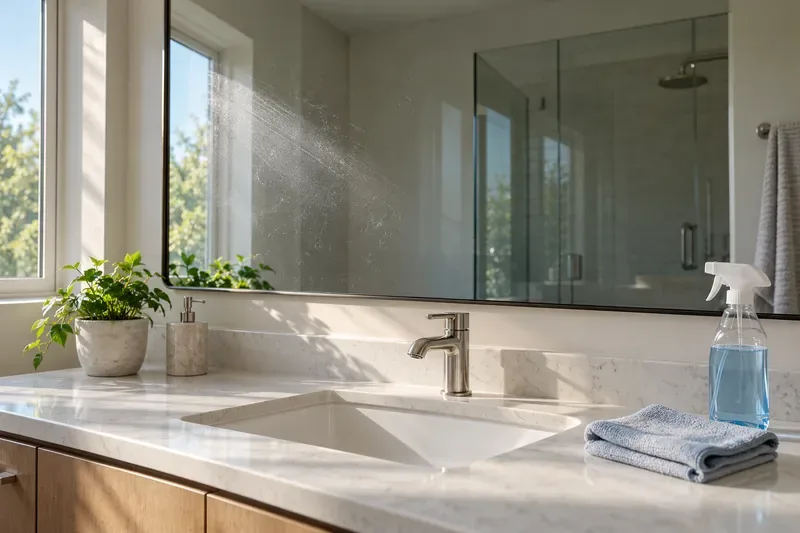
Bathroom mirror streaks often come from residue, dirty cloths, excess cleaner, or dried water. Find the likely cause and a gentle way to fix it.
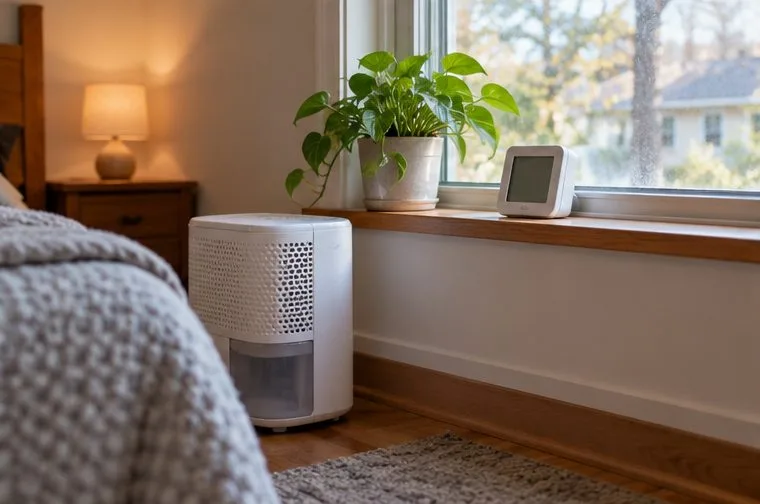
Reduce overnight window condensation by controlling indoor moisture, improving airflow, monitoring humidity, and knowing when the window itself needs attention.
Reduce cooking and kitchen odors without fragrance by improving ventilation, cleaning grease and food residue, managing waste, and finding persistent odor sources.
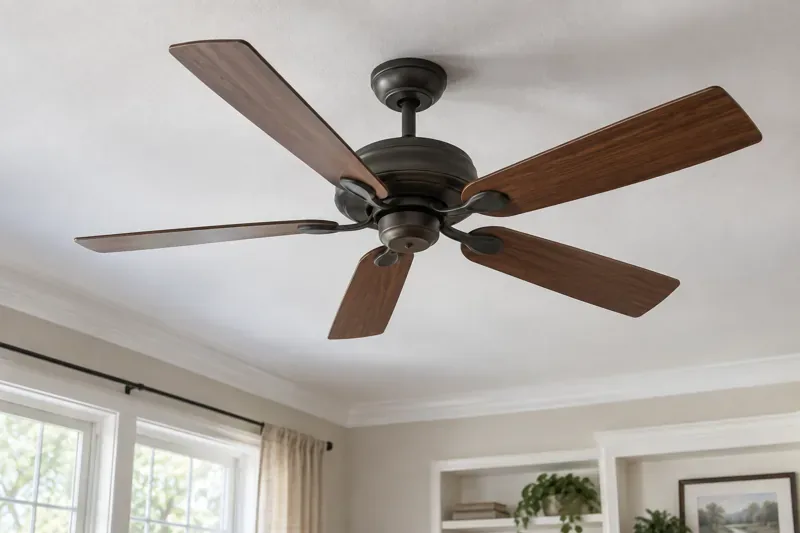
Learn why ceiling fans wobble, which warning signs mean turn it off, and what you can safely check before calling an electrician.
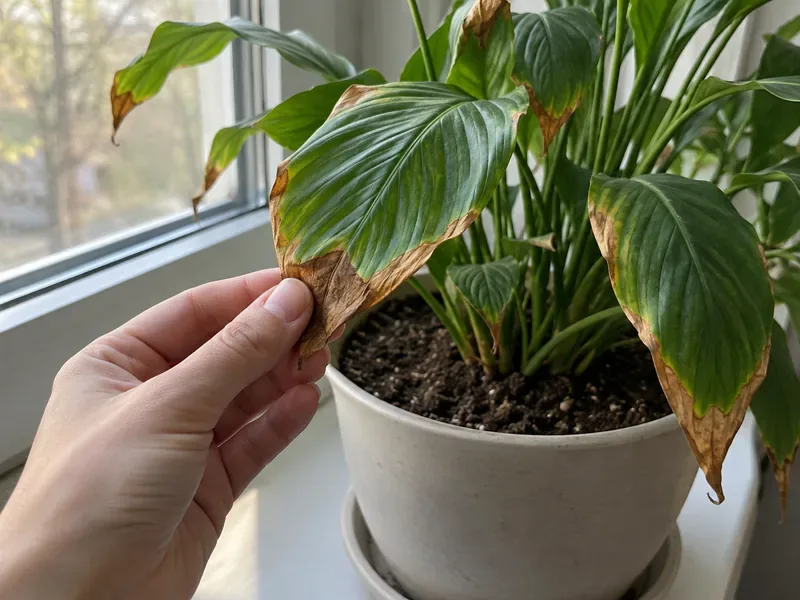
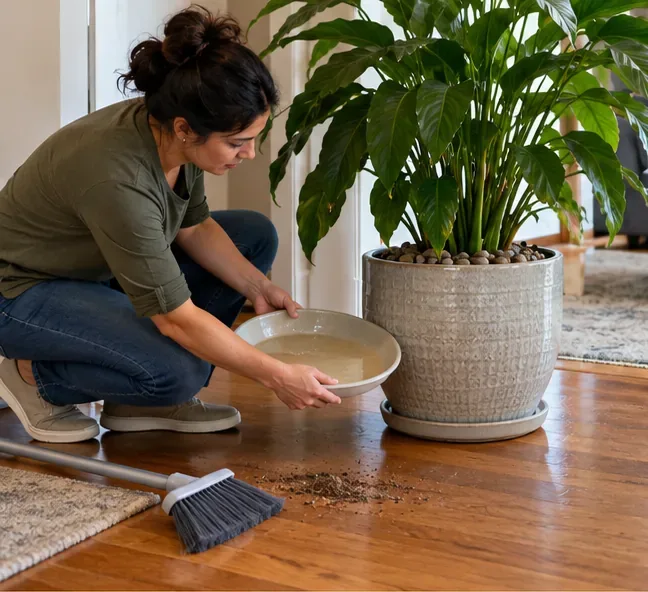
Learn why indoor plant leaves turn brown at the edges, how to read clues about watering, humidity, salts, and light, and when to seek expert help.
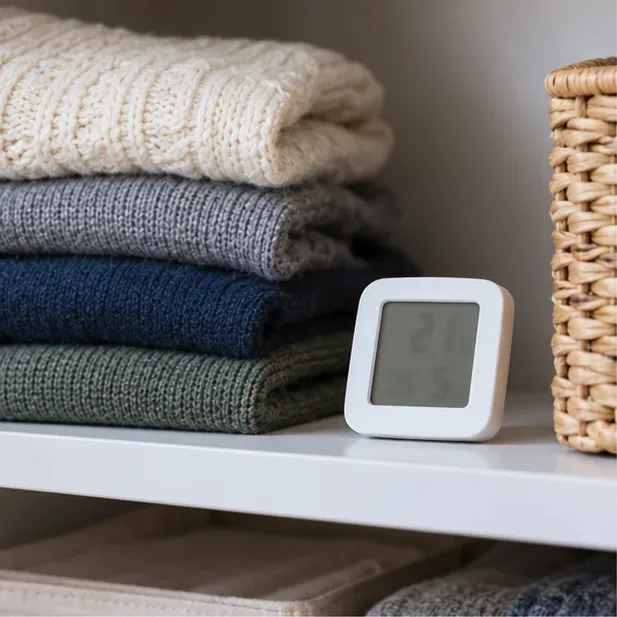
Keep stored clothes dry without mothballs: measure closet humidity, reduce moisture at the source, dry garments fully, choose suitable storage, and inspect for mold.
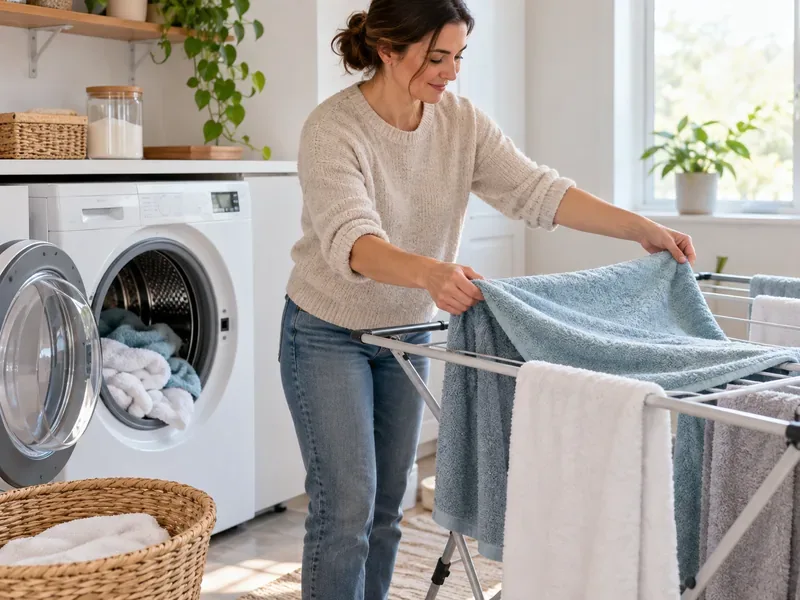
Musty towels often point to lingering moisture, washer residue, or slow drying. Learn how a hypothetical laundry example helps narrow the cause and what to change first.
Keep balcony plants hydrated during a short trip with a plan based on pot size, plant needs, sun, and wind. Compare wicks, self-watering pots, and plant sitters.
Move a heavy houseplant safely without scratching hardwood, denting flooring, spilling soil, or straining your back. Use a protected path, a dolly, and a controlled team lift.