How to Find a Hidden Water Leak Under a Sink: A Simple, Safe Check
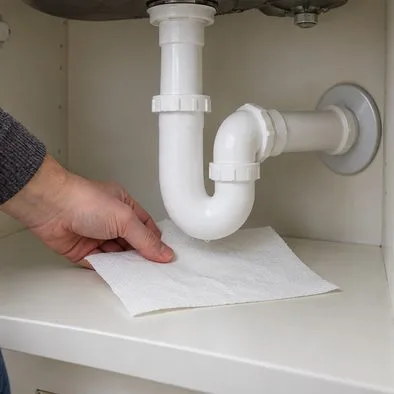
Use dry paper towels and four focused checks to find a hidden sink leak, tell supply leaks from drain leaks, and know when to call a plumber.
Growing perennials from seed gives you the chance to start literally hundreds of plants from one package of seeds. Most perennial seeds don’t germinate very successfully when planted outside. By starting the seeds indoors, you can create an artificial environment to meet their needs.
You can grow perennials indoors any time of the year. But if you start them in late winter or early spring, the seedlings are usually large enough to go into the garden by early summer. For best results, plant seeds outside at the time of year recommended on the seed packet. Some seeds need cool weather to sprout, and some need hot.
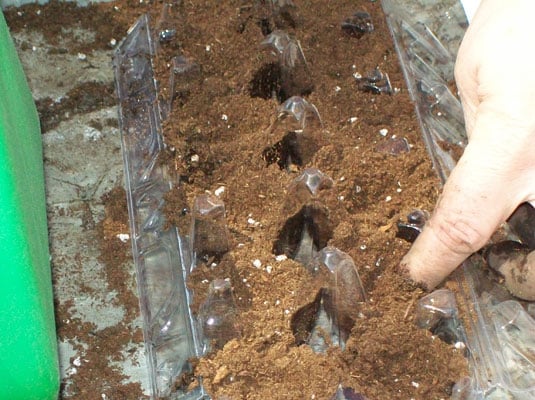
The mixture is wet enough if you can form a handful of it into a ball, but too wet if it drips. Suitable containers are anything potting soil and seed can fit into. Run your containers through the dishwasher or wash them in a weak solution of household chlorine bleach. Poke holes in the bottom and sides so that excess water can drain away
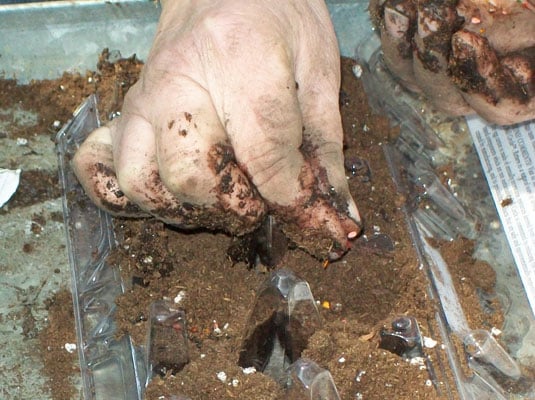
As a general rule, use twice the number of seeds as the number of plants you hope to grow.
You don’t need to cover seeds smaller than grains of table salt; instead, use your fingertips to lightly press them into the soil.
Write the name of the plant, the date you planted it, and any other information that you think may be useful.
If the instructions tell you to exclude light, cover the container with aluminum foil instead of plastic wrap or glass.
For those seeds that require heat, you can buy special heating cables to keep the trays warm if your location isn’t warm enough.
If the potting soil starts to dry out, wet it with a couple of squirts from your misting spray bottle.
Raise the light as your plants grow taller.
The first pair of leaves that appear are seed leaves, not true leaves. Seed leaves feed the young plant until it can grow the real thing. When your seedlings grow four true leaves, transplant them to larger, individual containers.
The hole should be deep enough to accommodate the seedling’s root system.
Recycled 2-1/4-inch (6 cm) and 4-inch (10 cm) nursery pots are handy for this purpose.
Press the potting mix gently around the roots, so that the stem is at the same level it was in the seedling pot.
Fertilize once a week, gradually increasing the strength to the rate on the label for seedlings.
Grow newly transplanted seedlings under grow lights or in a brightly lit location out of direct sunlight. When the plants are several inches tall, harden them off and plant them in the garden.
Use dry paper towels and four focused checks to find a hidden sink leak, tell supply leaks from drain leaks, and know when to call a plumber.
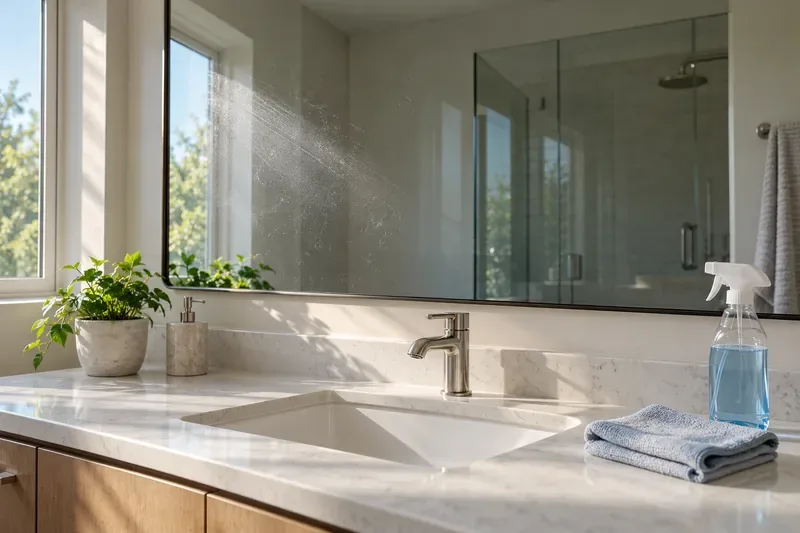
Bathroom mirror streaks often come from residue, dirty cloths, excess cleaner, or dried water. Find the likely cause and a gentle way to fix it.
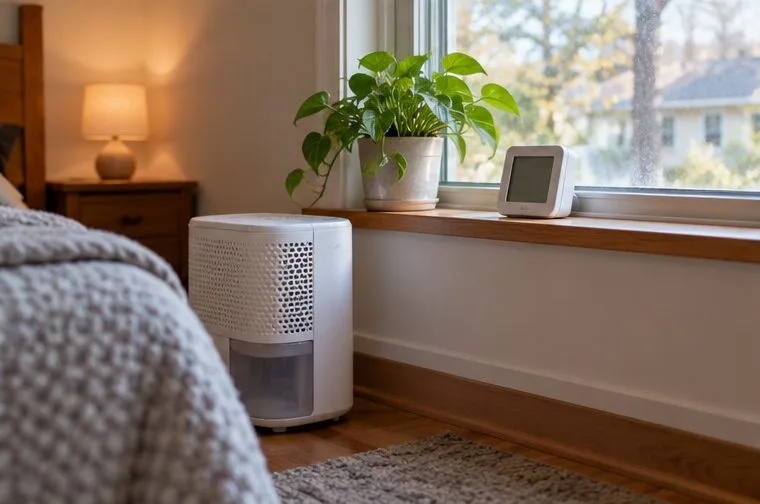
Reduce overnight window condensation by controlling indoor moisture, improving airflow, monitoring humidity, and knowing when the window itself needs attention.
Reduce cooking and kitchen odors without fragrance by improving ventilation, cleaning grease and food residue, managing waste, and finding persistent odor sources.
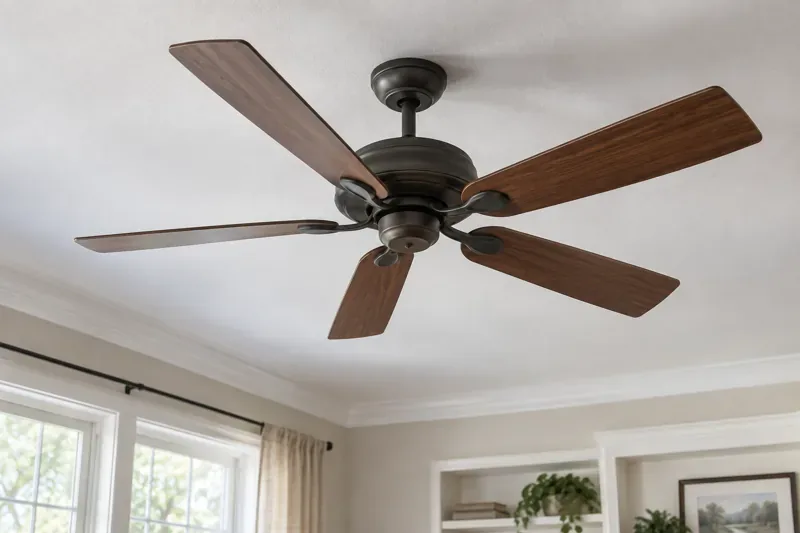
Learn why ceiling fans wobble, which warning signs mean turn it off, and what you can safely check before calling an electrician.
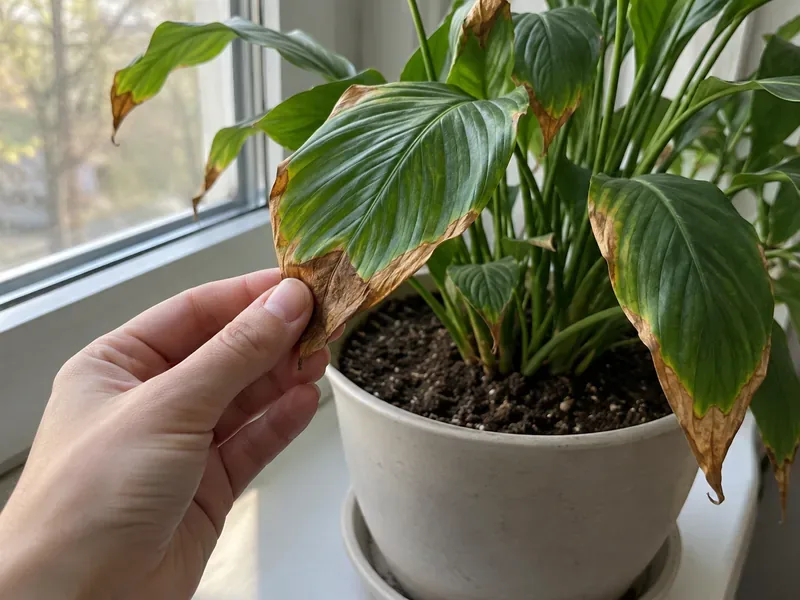
Learn why indoor plant leaves turn brown at the edges, how to read clues about watering, humidity, salts, and light, and when to seek expert help.
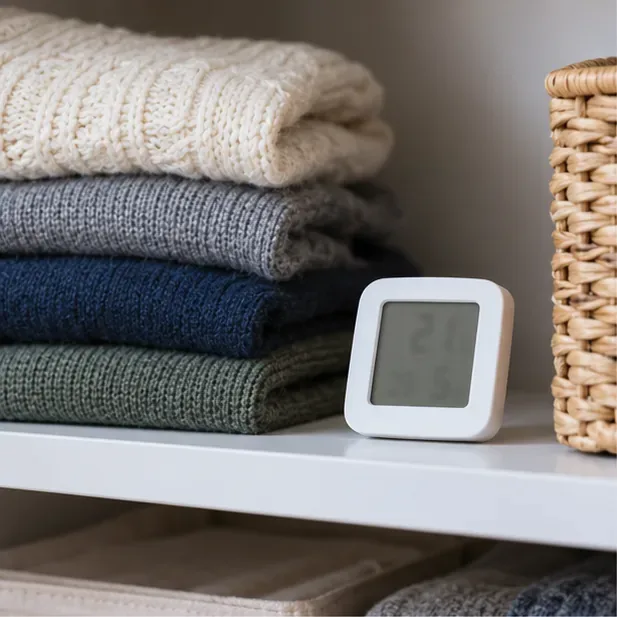
Keep stored clothes dry without mothballs: measure closet humidity, reduce moisture at the source, dry garments fully, choose suitable storage, and inspect for mold.
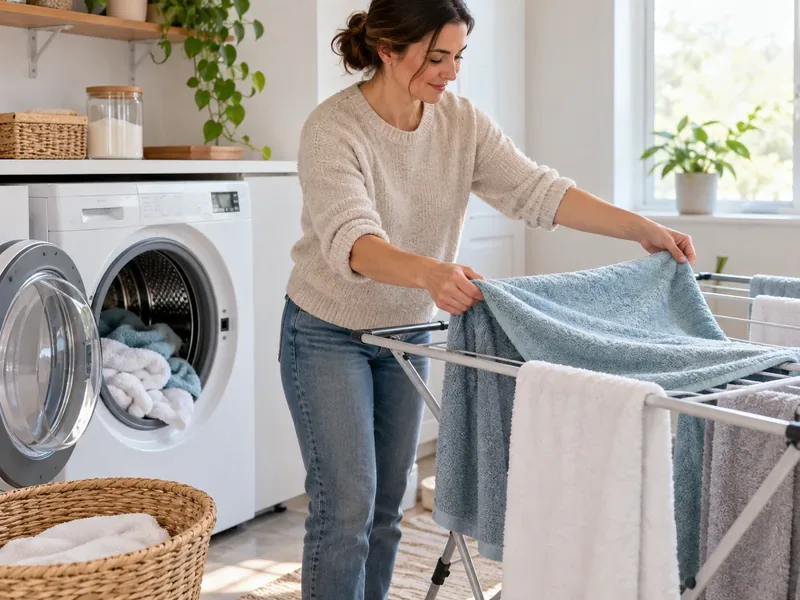
Musty towels often point to lingering moisture, washer residue, or slow drying. Learn how a hypothetical laundry example helps narrow the cause and what to change first.
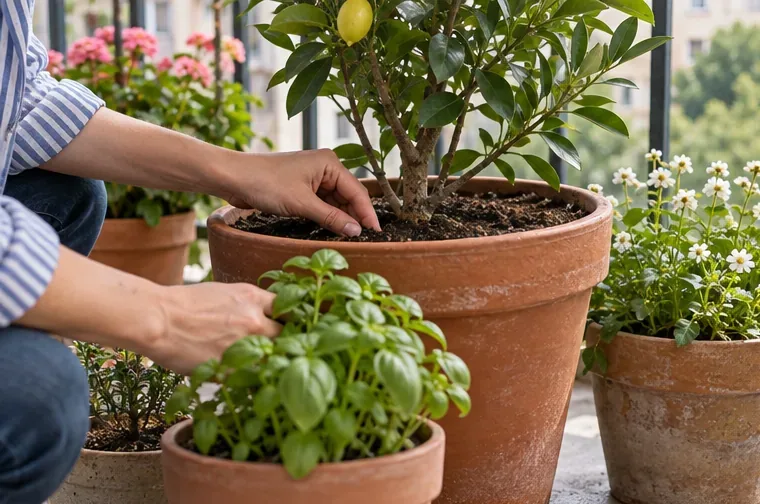
Keep balcony plants hydrated during a short trip with a plan based on pot size, plant needs, sun, and wind. Compare wicks, self-watering pots, and plant sitters.
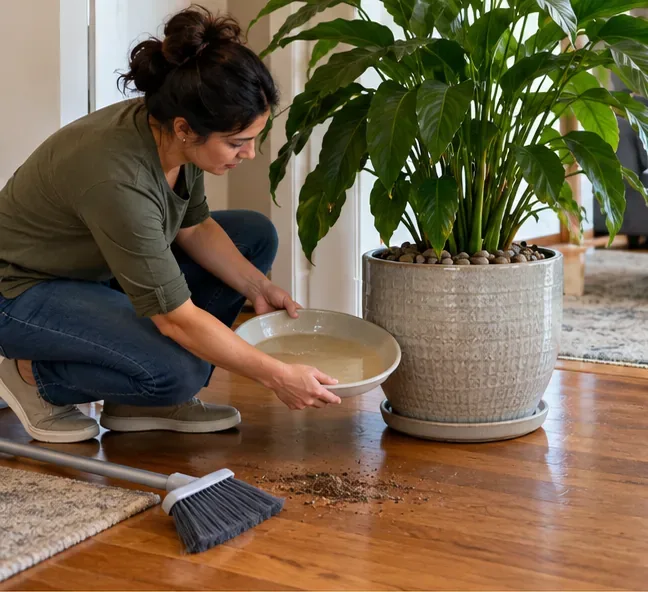
Move a heavy houseplant safely without scratching hardwood, denting flooring, spilling soil, or straining your back. Use a protected path, a dolly, and a controlled team lift.