Choosing a Veterinarian for Your Pet

You and your veterinarian work together to keep your pet healthy, and you want to have a good working relationship. Choosing a reputable veterinarian requires your time and attention.

Depending on the area where you live, however, your pool of veterinarians may be limited. Assuming that you have choices, consider the following list when choosing a veterinarian:

  • Who do you know who owns a pet or breed like yours? If your breeder lives in your area, ask her which veterinarian she uses and why. Breed-specific clubs and other pet owners are reliable resources, as well.
  • Do you want to take your pet to a multidoctor or a single-doctor facility? Taking your pet to a small practice may mean that the veterinarian knows your pet better, but if an emergency arises and your vet isn’t available, the interim doctor won’t know your pet. In a multidoctor practice, you may not always see the same veterinarian, but if an emergency occurs, the on-call veterinarian has access to all your pet’s health records.
  • Can you find a veterinarian who understands the potential problems that are specific to your breed? These veterinarians are more aware of what to look for when they’re examining your pet. For example, bulldogs have an elongated soft palate and small trachea that can hamper its breathing.
  • How far are you willing to drive? A highly recommended veterinarian may practice 50 miles away, and you may not mind the drive for scheduled visits, but if your pet has a serious problem, will that drive mean the difference between life and death?
  • Considering drive time doesn’t mean that you should go to the veterinarian right next door if you don’t like or trust him or her. Try a veterinarian somewhere in between the two extremes. Alternatively, you can choose to have a backup veterinarian (one you’ve seen once or twice and can use in emergencies).
  • What kind of emergency coverage is offered? In a multiple-veterinarian practice, doctors likely have staggered hours. If only one veterinarian practices, how are vacations and off hours handled?
  • Is the staff friendly? Is the waiting room clean? If possible, visit different veterinarians’ offices. Ask how they handle emergencies, and find out what their hours are. You want to know that the staff believes you if you have a pet emergency and won’t try to give you an appointment in three days.
  • Are you willing to go through trial and error? It may not be possible to find the perfect veterinarian (if the perfect vet exists) without some trial and error. Friends may recommend a particular practice, but you just don’t feel comfortable there. No matter how highly recommended a practice is, if you don’t feel comfortable, don’t stay.
  • What complaints have you heard? If someone complains about a veterinarian, consider the complaint. Was it a one-time incident or something chronic, like a dirty exam room?

Leave a Comment

What to Pack for a Pet Sitter Besides Food and Medicine

What to Pack for a Pet Sitter Besides Food and Medicine

Prepare a pet-sitter kit with care instructions, emergency contacts, comfort items, cleanup supplies, ID details, and home-access notes—plus a practical handoff checklist.

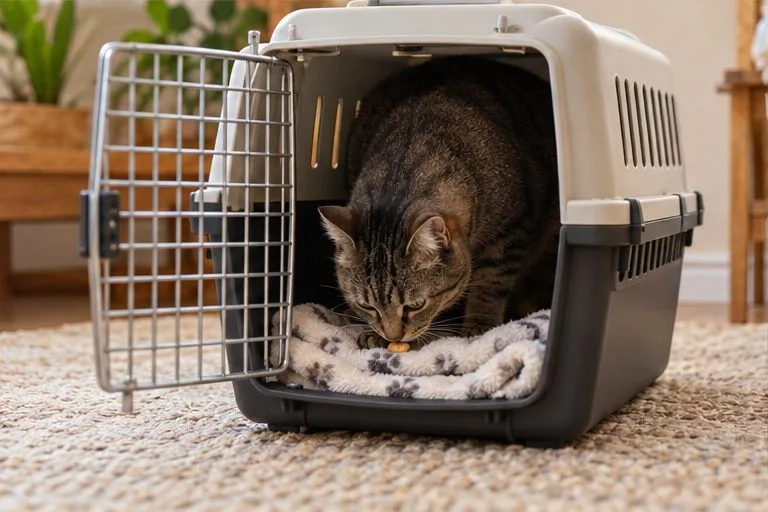
Help Your Cat Feel Safe in the Carrier Before a Vet Visit

Help Your Cat Feel Safe in the Carrier Before a Vet Visit

Learn how to choose a cat carrier, build comfort with gradual reward-based practice, and prepare for a safer, less stressful veterinary trip.

Why a Rabbit May Refuse Hay but Still Eat Treats—and What to Do Next

Why a Rabbit May Refuse Hay but Still Eat Treats—and What to Do Next

A rabbit that skips hay but accepts treats may have dental pain, GI trouble, stress, or a diet preference. Learn what to watch, what to change, and when to call a rabbit-savvy vet.

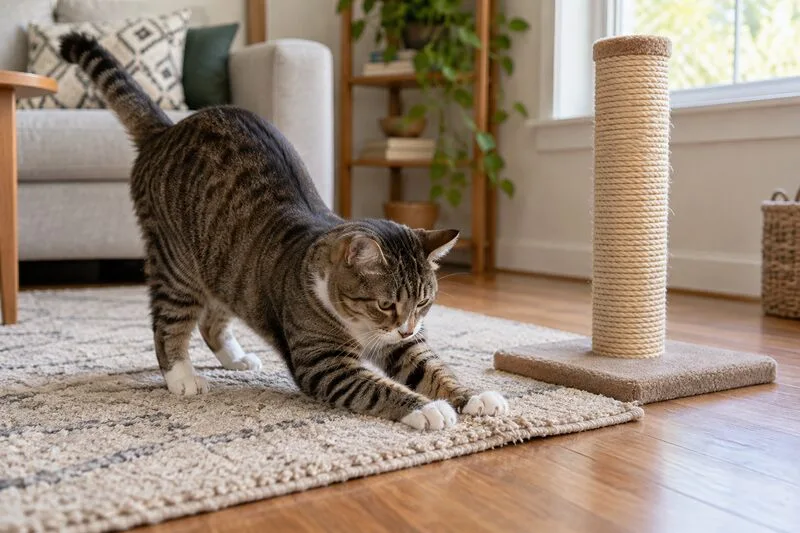
Why Does a Cat Scratch Beside the Scratching Post?

Why Does a Cat Scratch Beside the Scratching Post?

A cat may scratch beside a post because the spot, texture, angle, stability, or location suits it better. Learn what to observe and how to adjust the setup.

Why Does My Pet Get Restless at the Same Time Every Evening?

Why Does My Pet Get Restless at the Same Time Every Evening?

A pet’s evening restlessness may follow natural activity rhythms, routine cues, unmet needs, or health changes. Learn what to observe and when to call a veterinarian.

How to Help Your Cat Use a New Litter Box Without Forcing It

How to Help Your Cat Use a New Litter Box Without Forcing It

Introduce a new litter box gently: keep the familiar box available, use familiar litter, and let your cat choose. Learn when avoidance needs veterinary care.

Boredom or Anxiety? What Your Pet’s Behavior When Left Alone Can Tell You

Boredom or Anxiety? What Your Pet’s Behavior When Left Alone Can Tell You

Learn how to compare boredom and separation-related anxiety in pets, what to record on video, when to call a veterinarian, and which low-risk changes may help.

How to Introduce Two Pets When One Guards Food or Toys

How to Introduce Two Pets When One Guards Food or Toys

Plan a safer, gradual introduction when a dog guards food or toys. Learn how to separate resources, read stress signals, measure progress, and know when to get expert help.

How to Trim Pet Nails When Your Animal Dislikes Paw Handling

How to Trim Pet Nails When Your Animal Dislikes Paw Handling

Help a dog or cat accept nail care with gradual, reward-based practice. Learn what progress looks like, when to pause, and when to ask a veterinarian or groomer for help.

How to Clean a Pet Bed Without a Strong Detergent Scent

How to Clean a Pet Bed Without a Strong Detergent Scent

Learn how to wash a pet bed with less lingering detergent scent. Compare fragrance-free options, follow the care label, rinse thoroughly, and dry every layer safely.