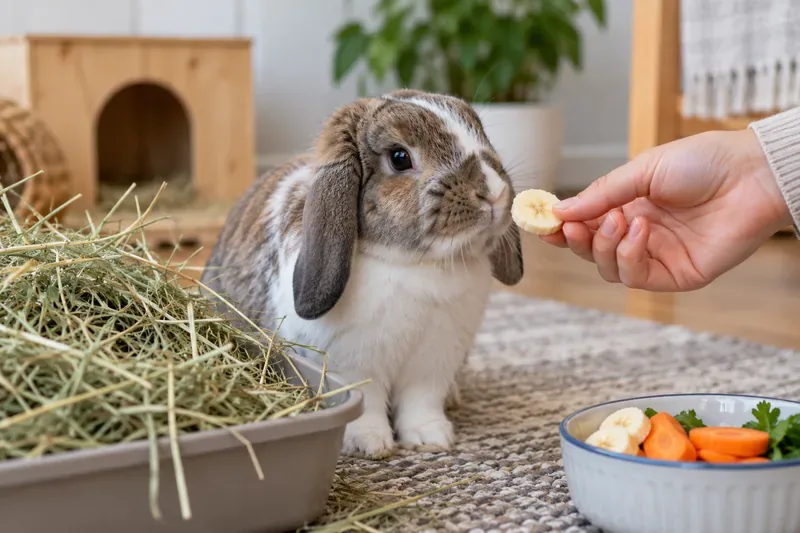
Adopting a pet doesn’t always mean taking home a dog or cat — animal shelters and rescue groups have small pets available for adoption, as well. Pet adoption includes birds, ferrets, rabbits, guinea pigs, hamsters, rats, and other small creatures. Small animals take a different kind of work than dogs and cats, but adopting these pets provides many of the same rewards and benefits.
Should you adopt a small pet?
Adopting a pet that’s small can be great . . . for some people. Small pets can be fun and interesting to observe in their habitats or just the cutest creatures to watch. Consider adopting a small animal if:
- You want a pet, but you’re away from home most of the day and can’t come home in the middle of the day to walk a dog or stroke a cat.
- You travel frequently and can’t take a pet with you — but you have a willing friend, neighbor, or pet sitter who can pet-sit while you’re away.
- You don’t want to exercise a dog every day.
- You like to have life and movement in your home but aren’t crazy about a big furry pet following you around all day or getting on your lap all the time.
- You don’t mind cleaning out a cage and changing litter once a week.
- You think it makes perfect sense to pay a veterinarian for the care of any critter, no matter how small.
- You feel sorry for all the little prey animals out there that are subject to animal predators and the dangers of traps.
- You think common pets are boring. Exotic mammals like ferrets and chinchillas fascinate you, and you want to learn their ways and take care of their needs.
Should you NOT adopt a small pet?
Small-animal ownership isn’t for everyone or every situation. Even if you like the idea of adopting a pet that’s small, you probably need to avoid doing so if:
- You have prey-oriented dogs or cats (or snakes) that are clever at solving problems — like how to get to that gerbil — and good at getting into things you thought you’d put away safely.
- You tend to be forgetful and may neglect to feed and water a small animal every day. Small animals can’t last very long without food and water, and they can’t bark or meow or get in your way to remind you to feed them. Most small animals live in enclosures, so they need to be kept fastidiously clean and well fed with a constant supply of fresh clean water to prevent starvation or dehydration that can quickly occur. When an animal is tiny, it needs to eat and drink often.
- You don’t like cleaning out a small animal cage every week.
- You fear getting bitten, nipped, or scratched. Small animals are prey animals with strong instincts to protect themselves when they’re fearful.
- You want a pet that will interact frequently with you in a rewarding way. Small animals don’t always interact with people in the same way dogs and cats do, so you might not get the kind of bonding and total adoration you seek.
- You have kids who can’t keep their hands off things and haven’t yet developed a sense of self-control.
- You need quiet at bedtime. Most small animals are nocturnal and thus are busy, active, and sometimes loud and distracting at night.