Choosing the Right Packaged Foods (If You Must)

You’ve heard of the food chain that has algae and amoeba at the bottom and lions and tigers at the top, but you may not know about the other food chain — that is, the processed food chain. In this food chain, foods in their natural state, like apples, greens, berries, and whole grains, are at the bottom, and processed foods, like sugary snack cakes and fast-food burgers, are at the top.

If you eat low on the food chain, you’ll automatically eat a clean diet. So think about food in its natural state before you buy it. A gelatin fruit salad packed in a little plastic cup with chunks of peaches floating in it is very different from a fresh peach picked right off the tree.

If you’re still buying foods with a label, use the following rules to help guide your choices:

  • Read the labels. If a product like whole-wheat bread contains more than five or seven ingredients, put it back on the shelf. You don’t have to stick to a certain ingredient count; just make sure that the number of ingredients is about what you would use if you made the food from scratch.
  • If you can’t pronounce, spell, or understand ingredients on the food label, don’t buy that particular product. Your body doesn’t need artificial flavors or chemicals made in the lab. Even chemicals the FDA regards as safe may be problematic in the future.
  • Avoid foods that have sugars, processed ingredients, or fat as the first or second ingredient on the label. These foods are made up of empty calories that don’t provide much nutrition.
  • Choose foods that are low on the food chain. In other words, choose foods that are as close as possible to their natural state. Pick up a head of cabbage rather than a jar of coleslaw. Choose a bag of apples rather than a bottle of sweetened applesauce. If you do so consistently, you’ll be well on your way to eating clean.

When you follow these simple rules, you may notice that a lot of the foods you’re used to buying are no longer on your grocery list. This switch in what you buy can take some time, but don’t stress! You can ease into the process. Becoming aware of what you put in your shopping cart and bring into your house is the first, and most important, step.
Leave a Comment

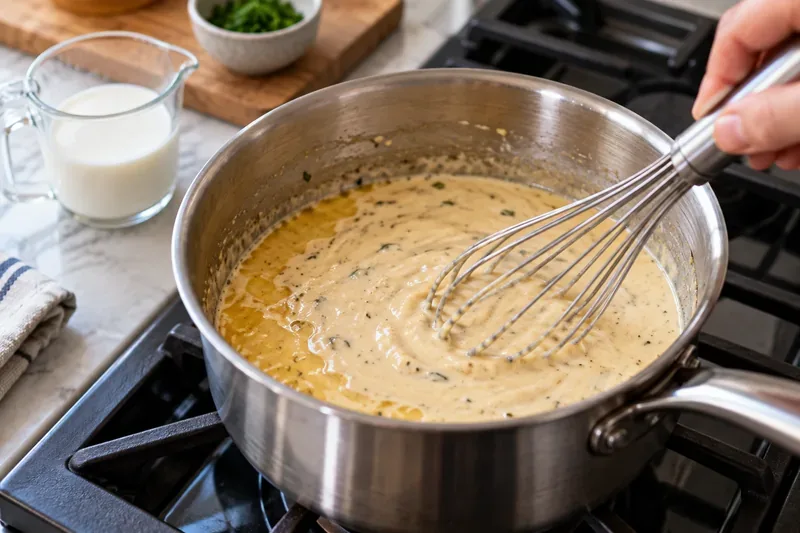
Why Does Sauce Separate After Reheating, and Can You Fix It?

Why Does Sauce Separate After Reheating, and Can You Fix It?

Sauce can split after reheating when fat, water, proteins, or starch fall out of balance. Learn why it happens, which sauces can be rescued, and how to reheat them safely.

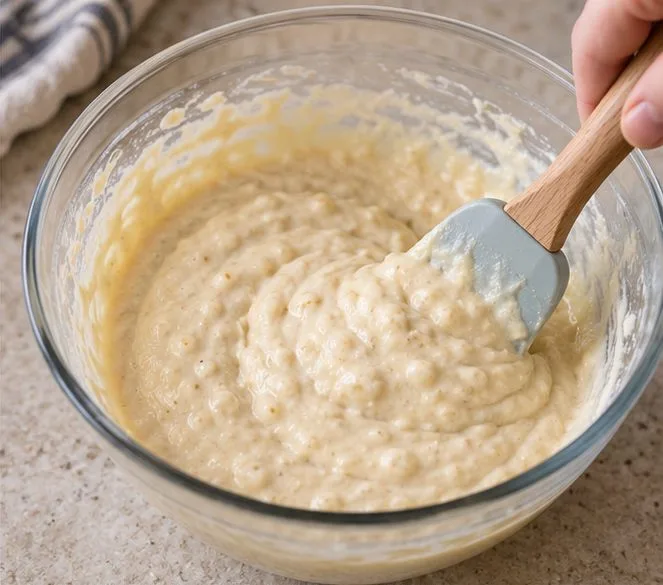
What Makes Pancakes Tough Instead of Fluffy? Causes and Fixes

What Makes Pancakes Tough Instead of Fluffy? Causes and Fixes

Find out why pancakes turn tough, chewy, or dense. Learn how to mix batter gently, check leaveners, control pan heat, and cook a fluffy test batch.

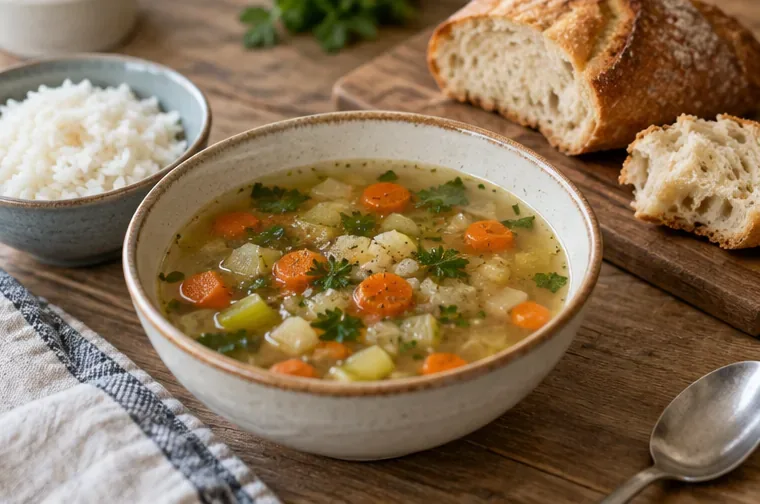
How to Fix Soup That Tastes Too Salty Without Doubling the Recipe

How to Fix Soup That Tastes Too Salty Without Doubling the Recipe

Rescue salty soup with measured dilution, liquid exchange, or unsalted add-ins. Learn what potatoes, lemon, sugar, and cream can—and cannot—do.

How to Cool a Large Pot of Food Safely Before Refrigerating It

How to Cool a Large Pot of Food Safely Before Refrigerating It

Cool a large pot of soup, stew, or other leftovers safely: divide it into shallow containers, use an ice bath when needed, and refrigerate promptly.

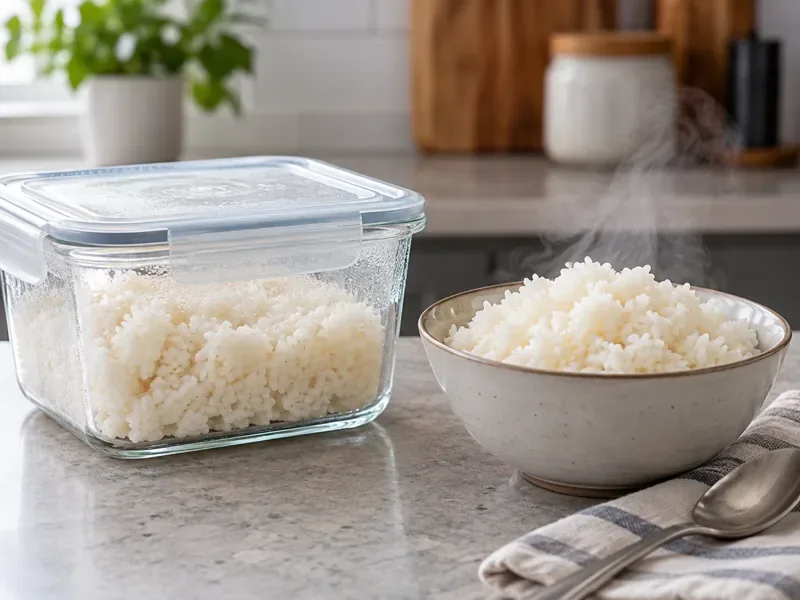
Why Cooked Rice Gets Hard in the Fridge—and How to Reheat It Safely

Why Cooked Rice Gets Hard in the Fridge—and How to Reheat It Safely

Learn why refrigerated rice firms up, how to restore its texture, and how to cool, store, and reheat leftovers safely to 165°F.

How to Help a Small Batch of Dough Rise in a Cool Kitchen

How to Help a Small Batch of Dough Rise in a Cool Kitchen

Use a gentle warm spot, cover the dough, and follow visual cues to help a small batch rise in a cool kitchen without overheating or overproofing it.

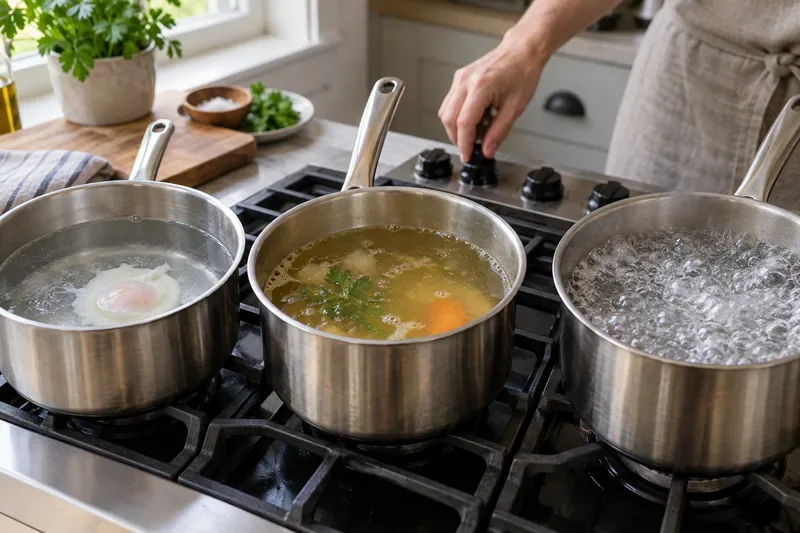
Simmering vs. Poaching vs. Boiling: How to Tell the Difference

Simmering vs. Poaching vs. Boiling: How to Tell the Difference

Learn how poaching, simmering, and boiling differ by water movement, temperature, and best uses, plus how to control the heat and check doneness safely.

Why Chocolate Seizes When Melting—and the Best Way to Save It

Why Chocolate Seizes When Melting—and the Best Way to Save It

Learn why melted chocolate turns thick and grainy, how to rescue it as sauce or ganache, and when baking or starting over is the better choice.

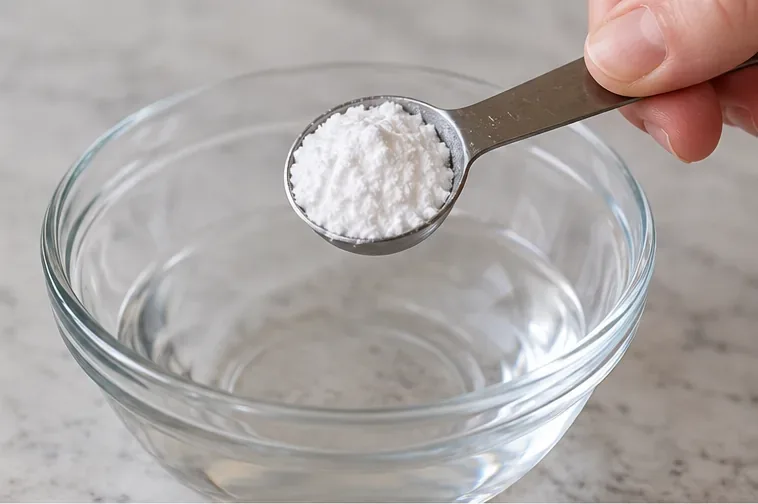
How to Tell Whether Baking Powder Is Still Active

How to Tell Whether Baking Powder Is Still Active

Test baking powder with warm water, read the bubbles, and learn when to replace it. This simple guide also explains storage, dates, and common testing mistakes.

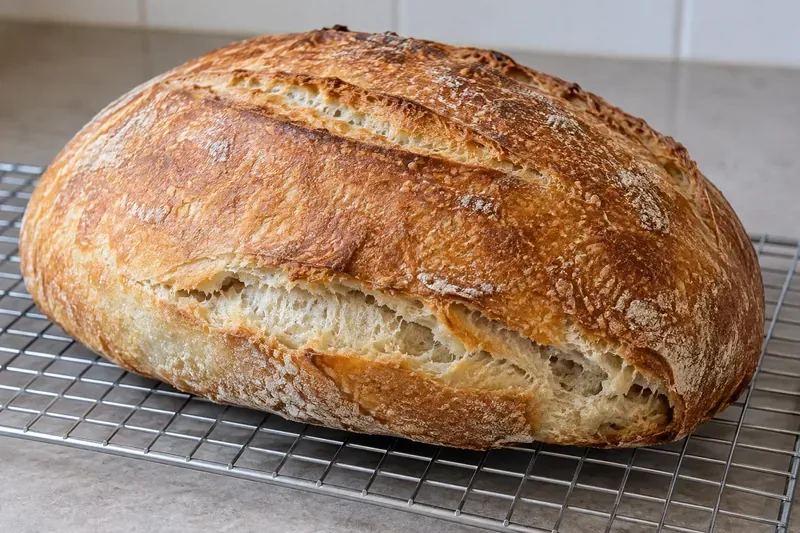
Why Homemade Bread Splits on the Side Instead of the Top

Why Homemade Bread Splits on the Side Instead of the Top

A side split usually means the loaf expanded at a weak point instead of opening through its score. Learn how scoring, steam, shaping, proofing, and pan fit affect the result.