How to Find a Hidden Water Leak Under a Sink: A Simple, Safe Check
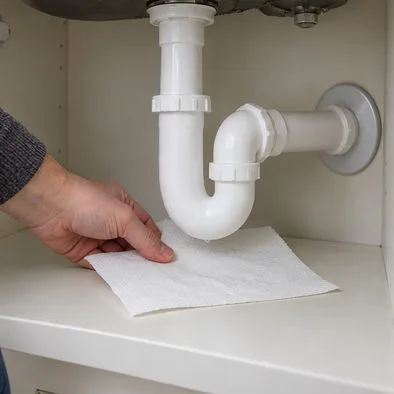
Use dry paper towels and four focused checks to find a hidden sink leak, tell supply leaks from drain leaks, and know when to call a plumber.
Tasting honey is like tasting wine, except you don’t have to spit. The tasting technique for honey is comparable to tasting wine, coffee, tea, or chocolate. You use all of your senses to learn more about what you experience in your mouth. You simply take note of each honey’s color, aroma, clarity, texture, taste, and (most important) flavor notes.
Humans experience thousands of flavors with our noses; however, we are only capable of experiencing four basic taste sensations on our tongues — sweet, sour, salty, and bitter. Of our five senses, our sense of smell is approximately a thousand times more sensitive than our sense of taste; everything else is considered flavor.
Try this exercise: Hold your nose closed as you put a spoonful of honey on your tongue. What do you taste? A sweet liquid but no real flavor? Now, unplug your nose and inhale; immediately you smell its flavor. When you open your nose, the aromas go up your nose into your olfactory bulb, which is where you taste.
Next, pour a few tablespoons of honey into a small glass jar, cup both hands around it to warm the honey, and with a spoon swirl it around the edges to move the molecules. Notice the honey’s color and texture.
There are seven designated colors of honey — water white, extra white, white, extra light amber, light amber, amber, and dark amber. Now stick your nose inside the jar and take a deep smell. This is the best way to capture the honey’s aromas. Take a spoonful onto your tongue and let it melt; then inhale to smell the honey’s flavors.
Can you identify the flavors? You can use words like floral, fruity, grassy, or woody. The figure shows the seemingly unlimited range of aromas and tastes you can experience when you’re sampling honey. The more honey you taste, the more you will determine its multitude of flavors. Taste, aroma, and texture experienced together are the main components that impart flavor in your mouth.
 Excerpted with permission from The Honey Connoisseur, by C. Marina Marchese and Kim Flottum. Black Dog & Leventhal Publishers, 2013.
Use this honey aroma and tasting wheel to pinpoint the unique flavors and characteristics of your honey and others.
No one is born an expert taster; learning to recognize flavors comes from the practice of conscious tasting. The repetitive act of tasting different samples of honey side by side is where the discovery comes into play, and you quickly begin to recognize the differences and similarities between each honey. Whereas sugar and other sweeteners are simply sweet, honey can express floral, grassy, fruity, or woody flavor notes. Look for a wide range of flavors that are clearly identifiable. Take note on when the flavors appear while the honey is on your tongue — there’s a beginning, middle, and finish to each flavor.
On occasion, you may come across a honey with undesirable flavors that are not considered positive attributes. These are called off-flavors, or defects. Some are easily recognized, and others require a bit of experience to identify.
Common defects are fermentation from a high percentage of water present or improper storage; smoke or burnt flavors from old wax comb or too much smoke used at harvest; or metallic tastes from rusty equipment or storage in metal containers.
There also can be chemical residues from colony treatments or dirty equipment and extracting techniques. Any of these are offensive and unwelcome. If it tastes bad, something is wrong. Always keep in mind that pure honey has layers of flavor, regardless of its type and flavor profile.
Use dry paper towels and four focused checks to find a hidden sink leak, tell supply leaks from drain leaks, and know when to call a plumber.
Bathroom mirror streaks often come from residue, dirty cloths, excess cleaner, or dried water. Find the likely cause and a gentle way to fix it.
Reduce overnight window condensation by controlling indoor moisture, improving airflow, monitoring humidity, and knowing when the window itself needs attention.
Reduce cooking and kitchen odors without fragrance by improving ventilation, cleaning grease and food residue, managing waste, and finding persistent odor sources.
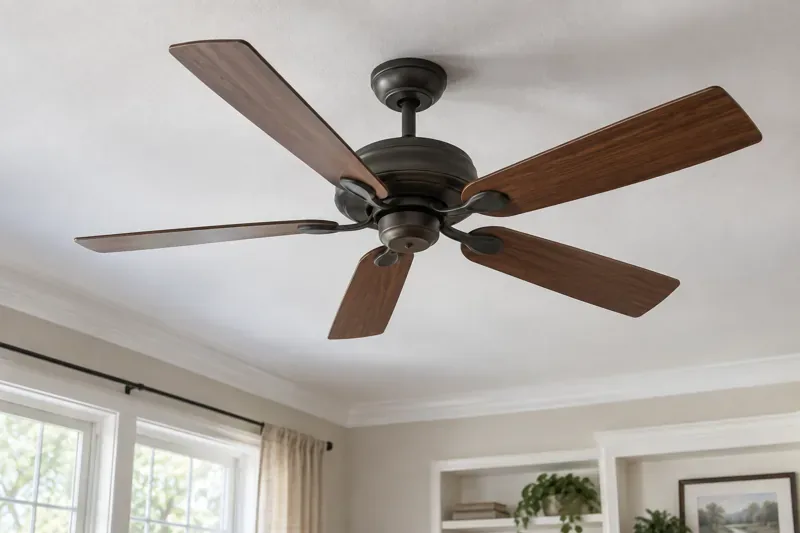
Learn why ceiling fans wobble, which warning signs mean turn it off, and what you can safely check before calling an electrician.
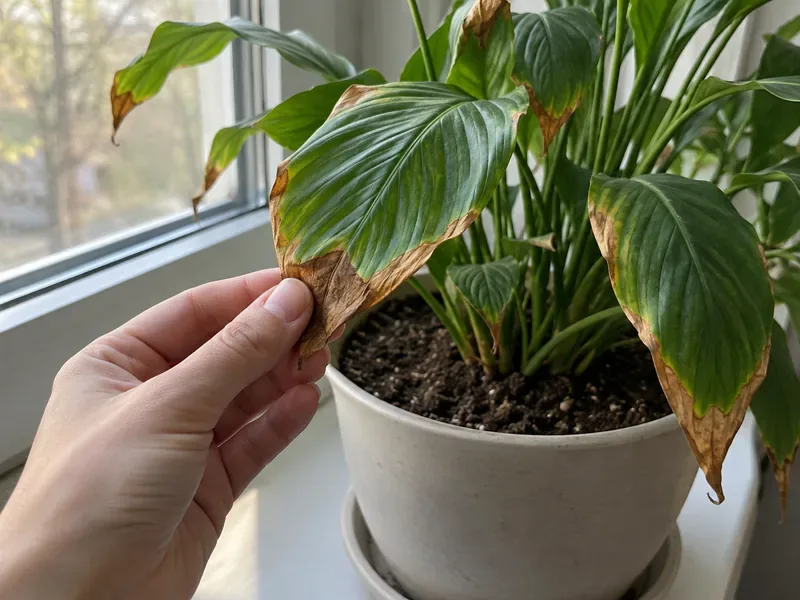
Learn why indoor plant leaves turn brown at the edges, how to read clues about watering, humidity, salts, and light, and when to seek expert help.
Keep stored clothes dry without mothballs: measure closet humidity, reduce moisture at the source, dry garments fully, choose suitable storage, and inspect for mold.
Musty towels often point to lingering moisture, washer residue, or slow drying. Learn how a hypothetical laundry example helps narrow the cause and what to change first.
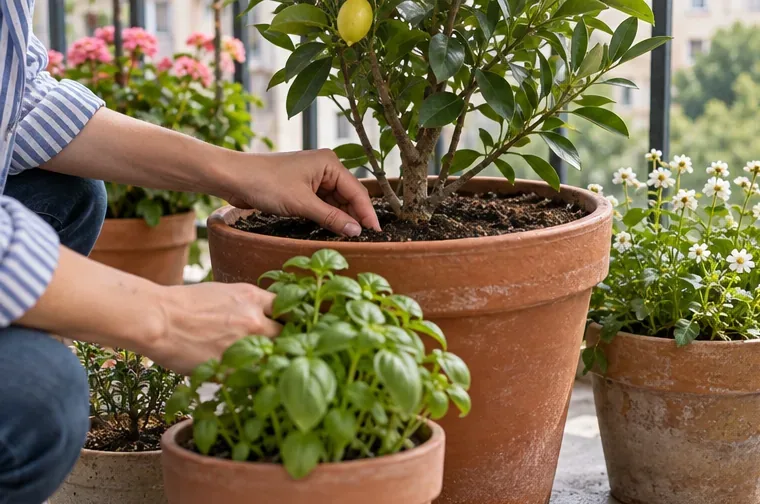
Keep balcony plants hydrated during a short trip with a plan based on pot size, plant needs, sun, and wind. Compare wicks, self-watering pots, and plant sitters.
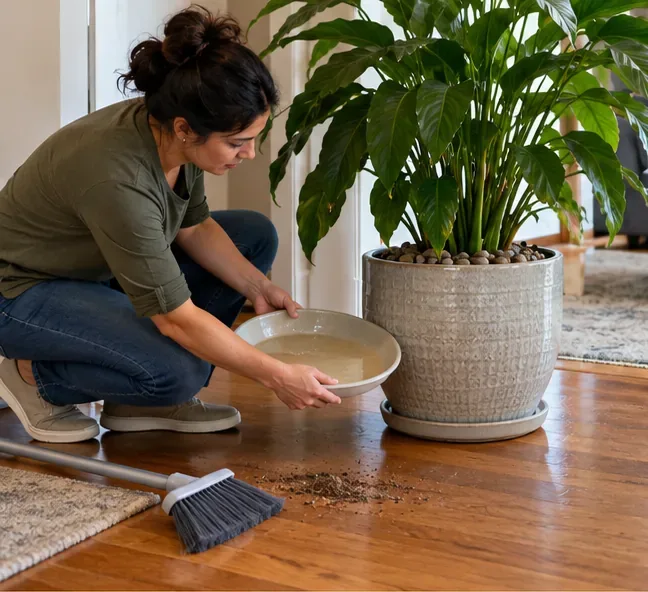
Move a heavy houseplant safely without scratching hardwood, denting flooring, spilling soil, or straining your back. Use a protected path, a dolly, and a controlled team lift.