How to Find a Hidden Water Leak Under a Sink: A Simple, Safe Check
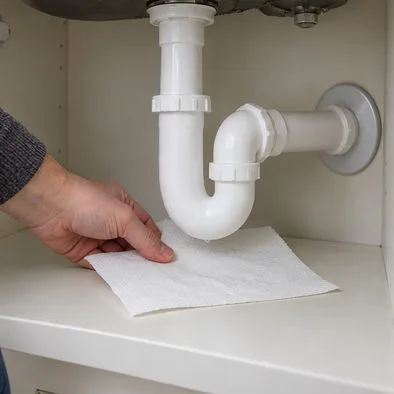
Use dry paper towels and four focused checks to find a hidden sink leak, tell supply leaks from drain leaks, and know when to call a plumber.
Succulents are plants that store water. Derived from the Latin word sucus, which means juice or sap, these plants are often considered to be drought-resistant. This diverse group of plants is popular for the home gardener and generally don’t require a large amount of maintenance. Because of their low-maintenance nature, succulents are popular as houseplants in all areas of the United States.

Source: pexels.com
Succulents are usually characterized by thick, rubbery, or “fleshy” parts. However, there are many options and these plants come in an array of shapes, sizes, textures, and colors. Succulents are often noted for their exotic or unusual appearance.
Succulents are typically adorned with thick leaves, stems, or roots. The thicker parts of the plant are used to store water. These plants are common in geographic locations that experience high temperatures with little rainfall. They can store water to survive long periods with little or no moisture. Native to areas like deserts or steppes, these plants will usually appear swollen when preserving water.
Native to arid areas, succulents cannot survive in freezing temperatures. While some may last through a brief spell, these plants will thrive in warmer temperatures. They are often characterized by spiky, needle-shaped or rosette-shaped leaves.
Succulents are also unusual because they propagate easily. On occasion, a new plant will even grow from a piece of fallen leaf.
As water hoarders, these plants will actually die if left in too much water.
The variety of succulents is a true testament to the diversity of the plant world. From exotic to commonplace, these plants can be basic or robust. Cacti are one of the most recognizable succulents. However, botanists often refer to cacti as a separate variety.
Better Homes and Gardens recommends these ten succulents for in-home gardeners:
Other common succulent plants include:
This list barely scratches the surface. Check succulent-plant.com for a more comprehensive list.
In recent years, succulents have grown in popularity as houseplants and in gardens. These plants are ideal for gardeners who don’t have an immense knowledge of sophisticated gardening practices. Here are some reasons these unusual plants are easy to care for:
Succulents make great house plants or an addition to your garden and do not require a large amount of care. Check out our tips for growing and caring for succulents.

Photo credit: Kelly Dobbs Henthorne
Use dry paper towels and four focused checks to find a hidden sink leak, tell supply leaks from drain leaks, and know when to call a plumber.
Bathroom mirror streaks often come from residue, dirty cloths, excess cleaner, or dried water. Find the likely cause and a gentle way to fix it.
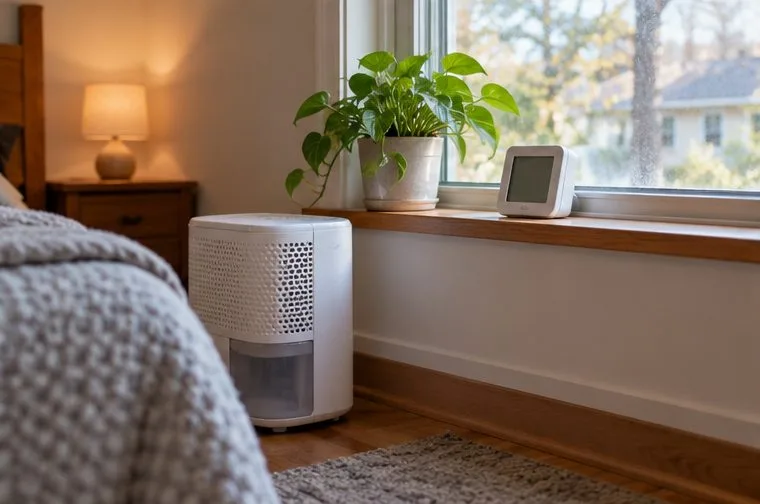
Reduce overnight window condensation by controlling indoor moisture, improving airflow, monitoring humidity, and knowing when the window itself needs attention.
Reduce cooking and kitchen odors without fragrance by improving ventilation, cleaning grease and food residue, managing waste, and finding persistent odor sources.
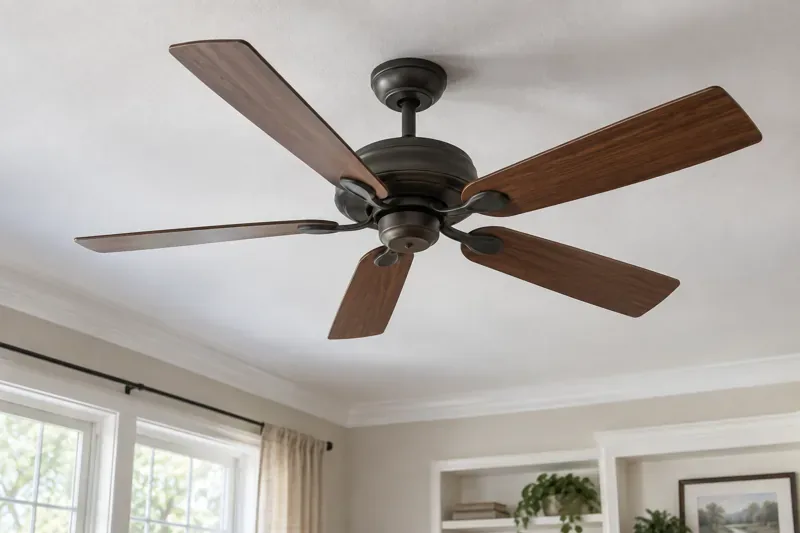
Learn why ceiling fans wobble, which warning signs mean turn it off, and what you can safely check before calling an electrician.
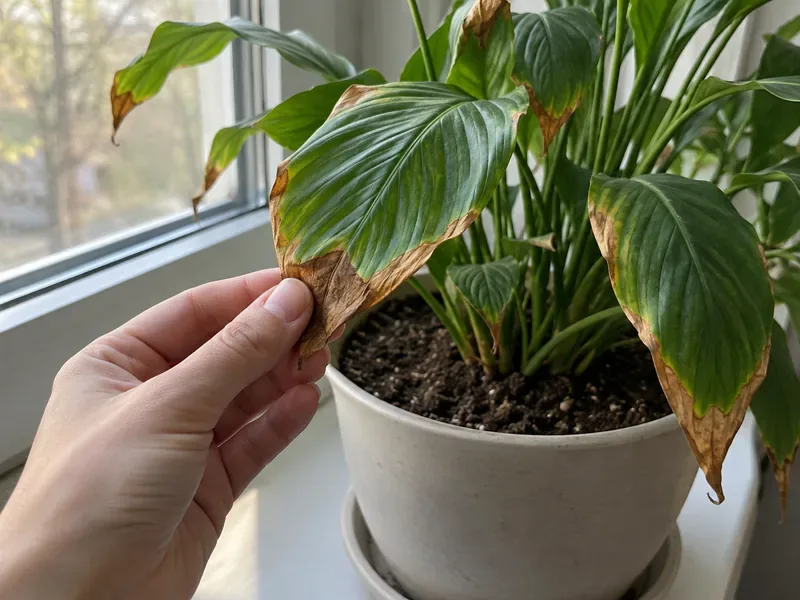
Learn why indoor plant leaves turn brown at the edges, how to read clues about watering, humidity, salts, and light, and when to seek expert help.
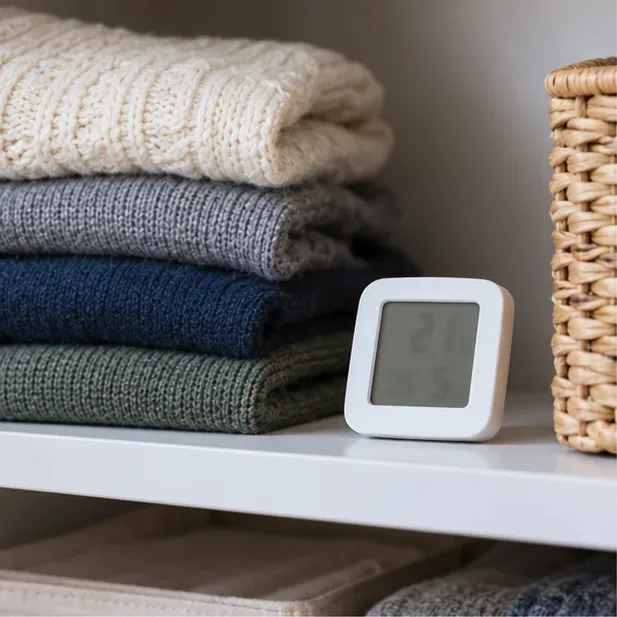
Keep stored clothes dry without mothballs: measure closet humidity, reduce moisture at the source, dry garments fully, choose suitable storage, and inspect for mold.
Musty towels often point to lingering moisture, washer residue, or slow drying. Learn how a hypothetical laundry example helps narrow the cause and what to change first.
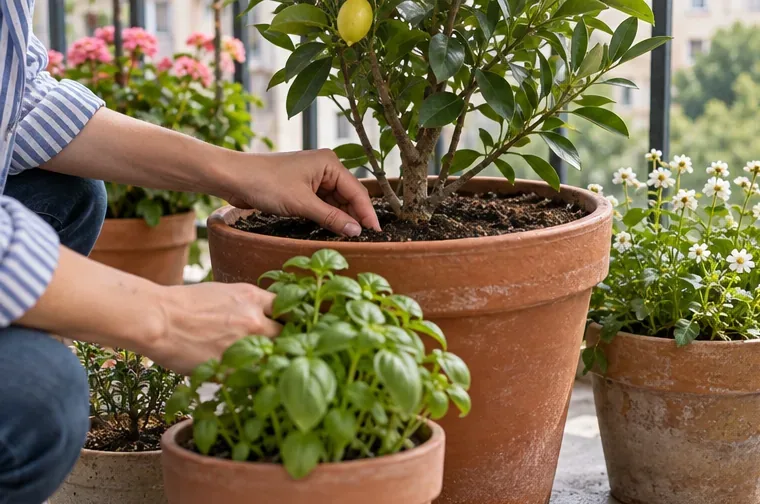
Keep balcony plants hydrated during a short trip with a plan based on pot size, plant needs, sun, and wind. Compare wicks, self-watering pots, and plant sitters.
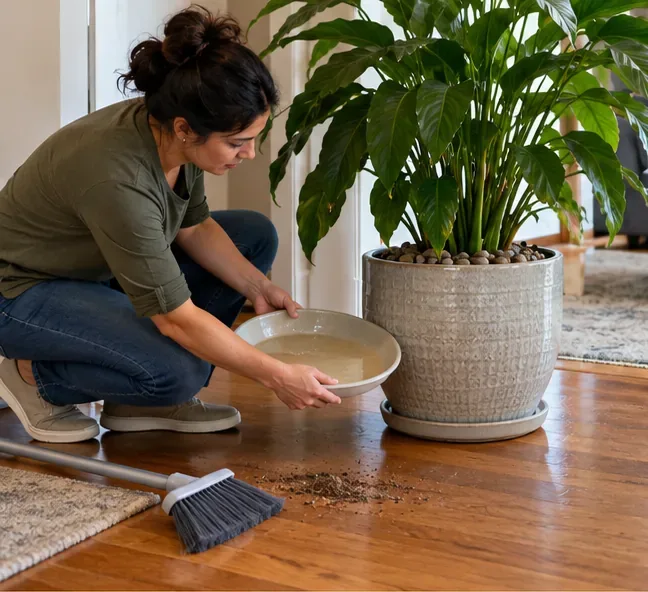
Move a heavy houseplant safely without scratching hardwood, denting flooring, spilling soil, or straining your back. Use a protected path, a dolly, and a controlled team lift.