How to Find a Hidden Water Leak Under a Sink: A Simple, Safe Check
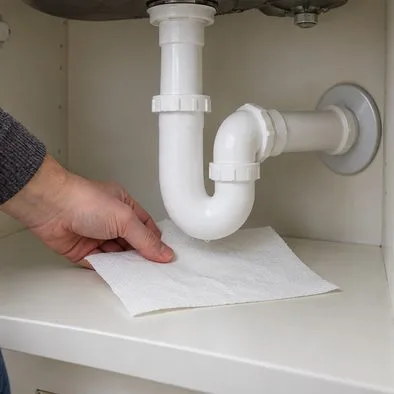
Use dry paper towels and four focused checks to find a hidden sink leak, tell supply leaks from drain leaks, and know when to call a plumber.
Roses have a reputation for being difficult to care for, but actually learning how to take care of roses is somewhat simple. The main components involved with caring for roses that you need to understand are: planting, watering, fertilizing, pruning, and winterizing. Simply put, with the correct amount of water and sunlight and a little bit of grooming, your roses should thrive. And remember, roses are resilient plants. So, if you occasionally forget or muff something, the plants are surprisingly forgiving.
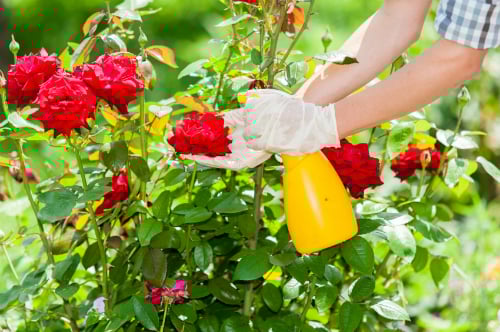
Credit: ©iStockphoto.com/VladTeodor
Follow these basic rose care & maintenance steps:
Watering your roses regularly. The rule of thumb for watering roses is to make sure roses get about 2 inches a week. Deep soakings are much better than frequent, shallow watering. Set the hose at the foot of the rose and let water trickle in. Or if you have a big bed of roses or roses and companions, use a soaker hose or install an in-ground system.
Feed roses consistently before and throughout the blooming cycle and use fertilizer to support healthy growth. Use an all-purpose garden fertilizer, because it has balanced amounts of N (nitrogen), P (phosphorus), and K (potassium). Fertilizers touted especially for roses — such as Rose Food — are fine but not mandatory. In spring, as the plant emerges from dormancy, you can water with a tablespoon of Epsom salt (magnesium sulfate) dissolved in a gallon of water to promote strong canes.
Always water before applying fertilizer so the plant is plumped up and under no stress.
Groom your roses to improve flowering and keep plants healthy: Using sharp clippers, you can spruce up your rosebushes whenever something unattractive about the plant catches your critical eye.
Here’s stuff you can cut out any time you see it:
Dead wood: Remove dead canes down to the ground level.
Damaged wood: Cut it back into about 1 inch of healthy wood.
Misplaced stems: Take off stems that are rubbing together (choose one and spare the other), stems that are taking off in the wrong direction, and stems that are trailing on the ground.
Suckers: In a grafted plant, these errant canes emerge from below the graft union (the bulge at the base of the bush). The suckers look different from the rest of the bush — they’re often smoother, straighter, and lighter in color. Another clue: They sprout leaves and occasionally mongrel flowers that look nothing like the main bush.
Deadhead and tidy up your roses for a cleaner, more bountiful rose bed. The plant looks better when you get rid of spent flowers. Also, because the goal of all flowering plants is to stop flowering and produce seed (in the case of rosebushes, to make rose hips), deadheading thwarts the process. So, the plant is fooled into making more flowers. Deadhead away!
Whenever you see badly damaged, diseased, or dead leaves, remove them. To be on the safe side, throw them in the trash rather than in the compost pile. Otherwise, the leaves may spread disease.
Prune roses in the spring to destroy all old or diseased plant material. Early spring is the best time to prune. If it’s still winter, your overeager cuts may lead to frost damage. Pruning roses is a straightforward process: Remove all non-negotiable growth, thin the plants, and then shape them.
Experts advise cutting 1/4 inch above a bud eye so the bud eye doesn’t dry out.

Use clean, sharp clippers, and cut at a 45-degree angle. Cut near a bud eye, the tiny brownish or reddish bump on the stem (not to be confused with a thorn).
Use dry paper towels and four focused checks to find a hidden sink leak, tell supply leaks from drain leaks, and know when to call a plumber.
Bathroom mirror streaks often come from residue, dirty cloths, excess cleaner, or dried water. Find the likely cause and a gentle way to fix it.
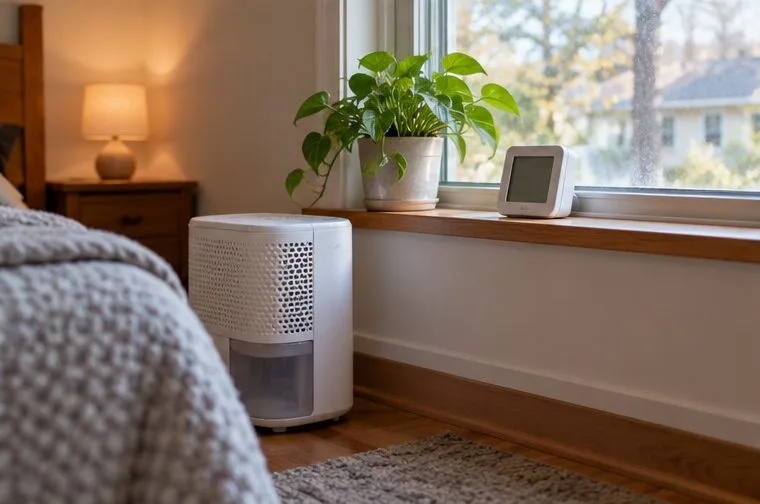
Reduce overnight window condensation by controlling indoor moisture, improving airflow, monitoring humidity, and knowing when the window itself needs attention.
Reduce cooking and kitchen odors without fragrance by improving ventilation, cleaning grease and food residue, managing waste, and finding persistent odor sources.
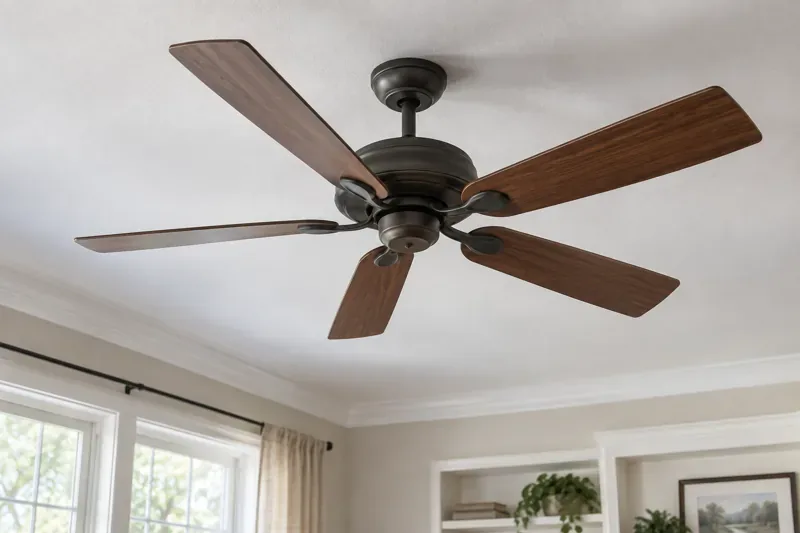
Learn why ceiling fans wobble, which warning signs mean turn it off, and what you can safely check before calling an electrician.
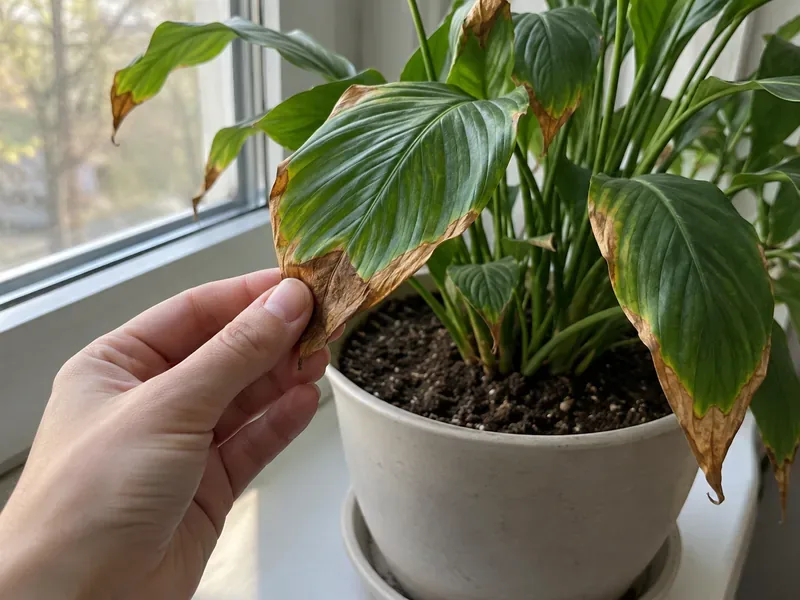
Learn why indoor plant leaves turn brown at the edges, how to read clues about watering, humidity, salts, and light, and when to seek expert help.
Keep stored clothes dry without mothballs: measure closet humidity, reduce moisture at the source, dry garments fully, choose suitable storage, and inspect for mold.
Musty towels often point to lingering moisture, washer residue, or slow drying. Learn how a hypothetical laundry example helps narrow the cause and what to change first.
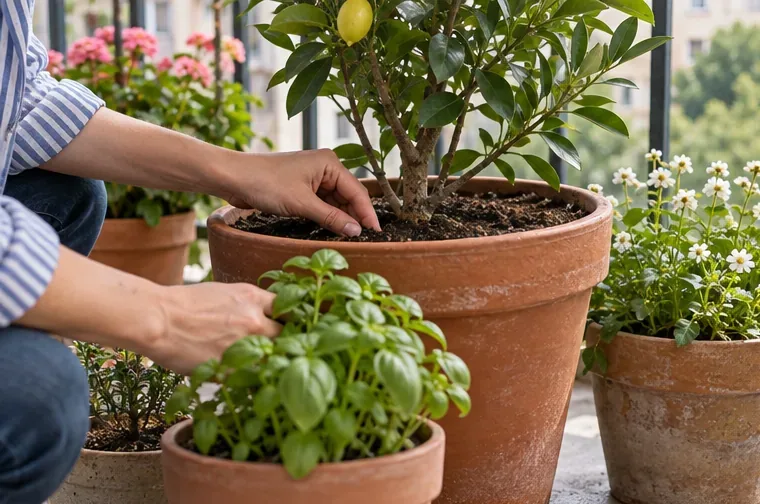
Keep balcony plants hydrated during a short trip with a plan based on pot size, plant needs, sun, and wind. Compare wicks, self-watering pots, and plant sitters.
Move a heavy houseplant safely without scratching hardwood, denting flooring, spilling soil, or straining your back. Use a protected path, a dolly, and a controlled team lift.