How to Find a Hidden Water Leak Under a Sink: A Simple, Safe Check
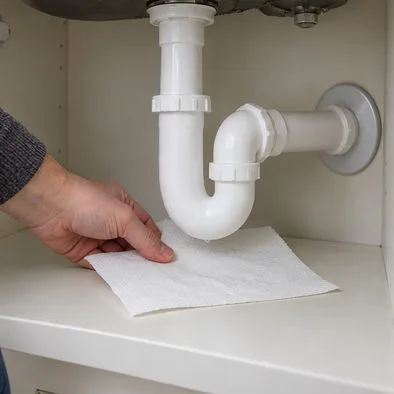
Use dry paper towels and four focused checks to find a hidden sink leak, tell supply leaks from drain leaks, and know when to call a plumber.
When figuring out how to clean wood furniture, we must first identify and understand what type of wood finish we’re working with. Many different types of wood finishes are used on furniture and they all need to be cleaned in different ways with different cleaners.
For example, with unsealed wooden furniture, you should clean with damp-dust method only. However, other types of wood may allow for more usage of cleaning / polishing products. Before we get into the best way to clean each type of wood finish, check out these standard tips for general care of wooden furniture:
Dust in the direction of the grain. Years of doing this help hold onto distinctive patterns in the wood.
Any soft cloth will do, but clever cloths made from microfibers scoop up and hang onto dust so that you don’t merely shift it somewhere else.
Go easy on the spray polish. Over time, polish residue dulls wood. Many people reach for the spray can simply because they love that just-polished smell. If that’s you, get an air freshener and give your wood a break.
How to Clean Wood Furniture| Wood Furniture Finish | Cleaning Method |
|---|---|
| Paint | Neat washing-up liquid is an effective grease and stain shifter on this hard-wearing surface. |
| Stain | Damp dust only, if possible. Otherwise treat as unsealed wood. |
| Unsealed | Wash down with water or a soapy washing-up liquid solution, applied from a cloth, not directly on the wood. Rinse and dry promptly. Do not leave wet. |
| Varnish | Damp dust and avoid over-wetting precious items. Treat tough spots with a solution of diluted washing-up liquid. Polish with a chamois leather cloth or spray polish, applied on a cloth. |
| Veneer | Clean with care. The fine top layer of wood may or may not be varnished and a thin varnish can easily bubble up in water. If unsealed, damp dust only. If covered with a hard-wearing synthetic coating, wash sparingly with a sponge dipped in soapy washing-up liquid. Rinse and dry. |
| Wax | Detergent dulls the wax, so use soapflakes instead. Buy a ready-mixed soapy wood cleaner to make this easy. Make up the solution and dip your cloth into it. Don’t get the Table overly wet. Dry with a soft cloth. |
Use beeswax polish only on wood that hasn’t been lacquered. The lacquer prevents the wax from penetrating, so don’t waste your time simply smoothing it on the top.
Varnished or lacquered wood is able to withstand mild cleaning products provided that you use minimal water. Take care not to soak the wood or, worse, let a wet cleaning solution gather on the surface.
Very dilute white vinegar removes surface stickiness on antique furniture. Add a few drops of vinegar to a cup of water, then dip your cloth into the solution and wring it out.
If you want to improve air quality, the dusty places that you can’t see are as important as those that you can. Fresh, dust-free air in bedrooms means a better sleep and an end to morning sneezing.
Use a step-stool and a duster on a pole to dust the tops of wardrobes and other tall dust-catchers. Or you can take an easier approach to help collect dust! Simply drop sheets of newspaper onto the top of your wardrobes and every so often carefully lift off the papers and drop them and the dust that’s with them into the rubbish.
You’ll need to do this with care, however, otherwise you’ll set off a dust storm. Take a large tray with you and stand on a step-stool in front of the wardrobe. Lay a clean sheet of newspaper on top of the dusty one. Fold the edges of both papers into the center – and drop the lot onto your tray, ready to parcel up with the rubbish.
Use dry paper towels and four focused checks to find a hidden sink leak, tell supply leaks from drain leaks, and know when to call a plumber.
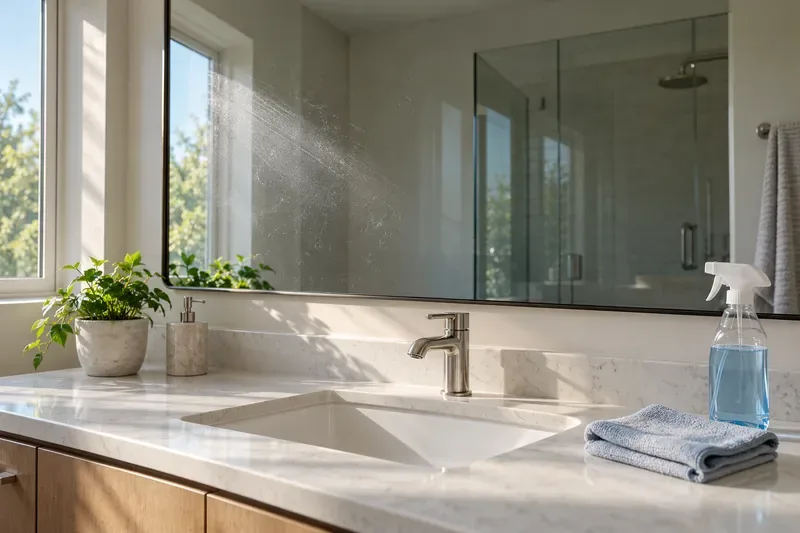
Bathroom mirror streaks often come from residue, dirty cloths, excess cleaner, or dried water. Find the likely cause and a gentle way to fix it.
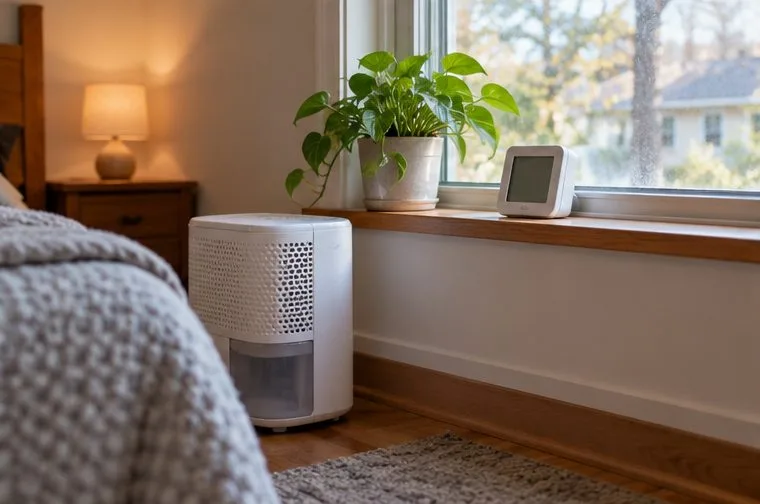
Reduce overnight window condensation by controlling indoor moisture, improving airflow, monitoring humidity, and knowing when the window itself needs attention.
Reduce cooking and kitchen odors without fragrance by improving ventilation, cleaning grease and food residue, managing waste, and finding persistent odor sources.
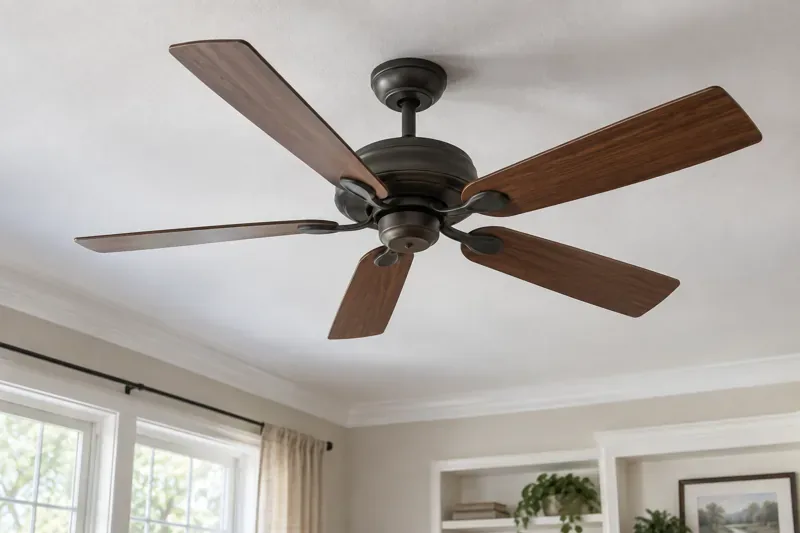
Learn why ceiling fans wobble, which warning signs mean turn it off, and what you can safely check before calling an electrician.
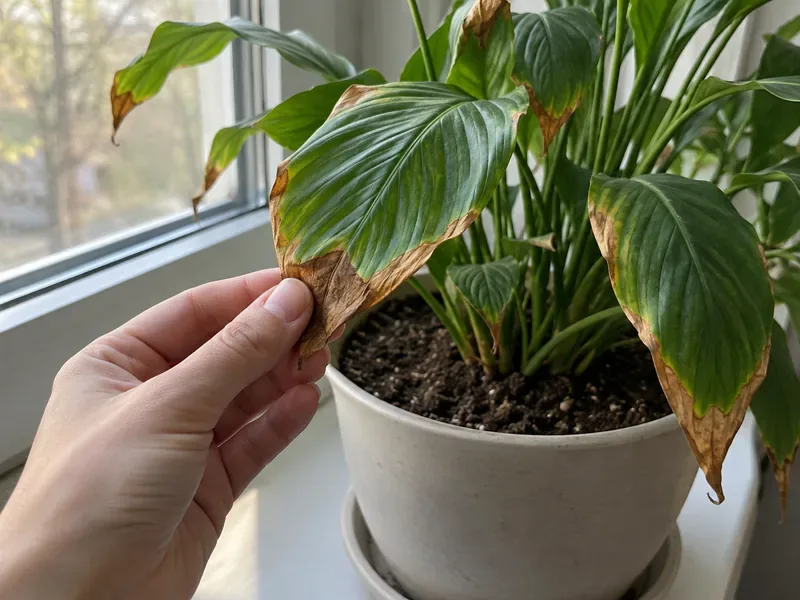
Learn why indoor plant leaves turn brown at the edges, how to read clues about watering, humidity, salts, and light, and when to seek expert help.
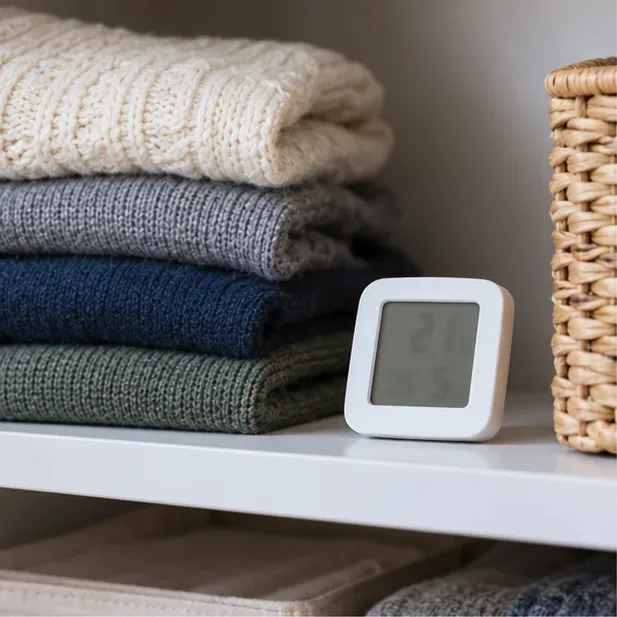
Keep stored clothes dry without mothballs: measure closet humidity, reduce moisture at the source, dry garments fully, choose suitable storage, and inspect for mold.
Musty towels often point to lingering moisture, washer residue, or slow drying. Learn how a hypothetical laundry example helps narrow the cause and what to change first.
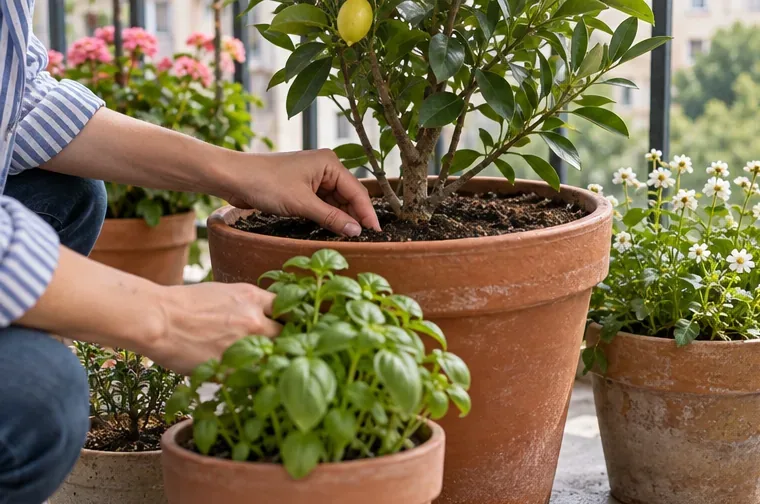
Keep balcony plants hydrated during a short trip with a plan based on pot size, plant needs, sun, and wind. Compare wicks, self-watering pots, and plant sitters.
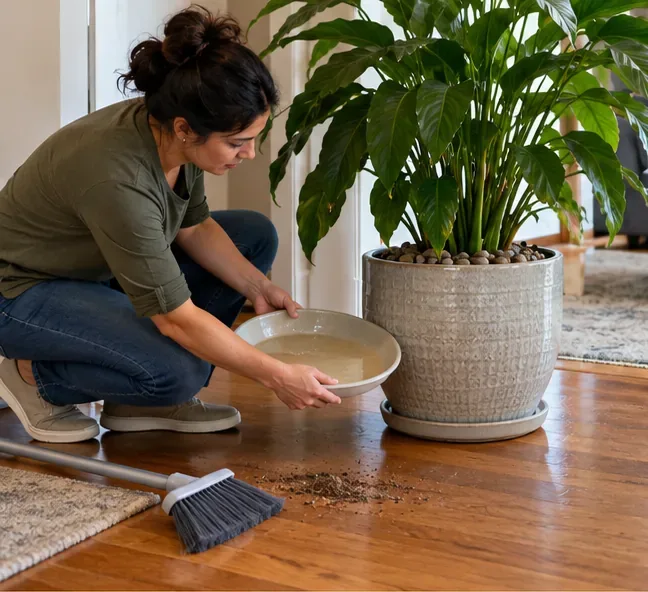
Move a heavy houseplant safely without scratching hardwood, denting flooring, spilling soil, or straining your back. Use a protected path, a dolly, and a controlled team lift.