How to Make a Single Crochet

The single crochet (abbreviated sc) is the most fundamental of all stitches in crocheting. The compact single crochet stitch creates a tight, dense fabric. Learning how to make a single crochet will serve as the foundation for your crocheting ventures – as all stitches are typically variations of this core stitch.  Now that you know how to single crochet, you can use this stitch over and over again, alone or in combination with other stitches:

The single crochet: Step-by-step instructions

Making a single crochet stitch is a process that involves creating a foundation chain and completing a series of yarn overs. Follow the steps below for detailed instructions on how to make a single crochet:

1Crochet 17 chain stitches.

This step makes a foundation chain. You work your first row of stitches into this foundation chain.


How to Make a Single Crochet

2Insert the hook from front to back into the second chain from the hook.

Be sure that you have the right side of the foundation chain facing you and your yarn hand holding the foundation chain.

3With your yarn hand, wrap the yarn from back to front over the hook.

What you’ve just done is called a yarn over (abbreviated yo).


How to Make a Single Crochet

4Rotate the throat of the hook toward you with your hook hand, and pull the hook with the wrapped yarn through the stitch.

You should have two loops on your hook.

5With your yarn hand, wrap the yarn from back to front over the hook.

You completed another yarn over.


How to Make a Single Crochet

6Rotate the throat of the hook toward you with your hook hand, and draw the hook with the wrapped yarn through both loops on the hook.

One single crochet is now complete, and one loop remains on your hook.


How to Make a Single Crochet

7To work the next single crochet stitch and continue the row, insert your hook into the next chain stitch.

This step starts your second row of stitches.

8Repeat Steps 3 through 6.

You’ve now completed the second stitch.


How to Make a Single Crochet

9Work 1 single crochet stitch (sc) in each chain stitch (ch) across the foundation chain.

You should have 16 single crochet stitches, or one row of single crochet.

If you’re wondering what happens to your 17th chain stitch in single crochet, remember that you worked your first single crochet into the second chain from the hook. The skipped chain stitch is considered a turning chain that brings you up to the level needed to work your first stitch of the new row.

Leave a Comment

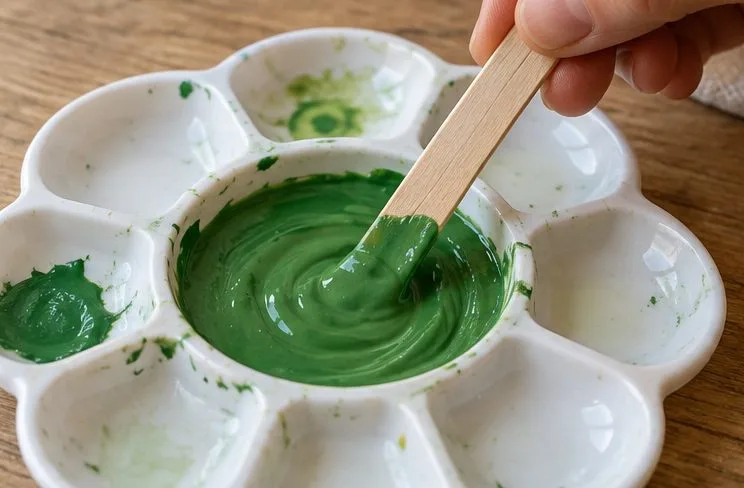
How to Make Washable Paint Less Watery for Stamping

How to Make Washable Paint Less Watery for Stamping

Make washable paint stamp cleanly: stir first, load stamps lightly, and compare compatible thick paint or paint-specific mediums without risking the whole bottle.

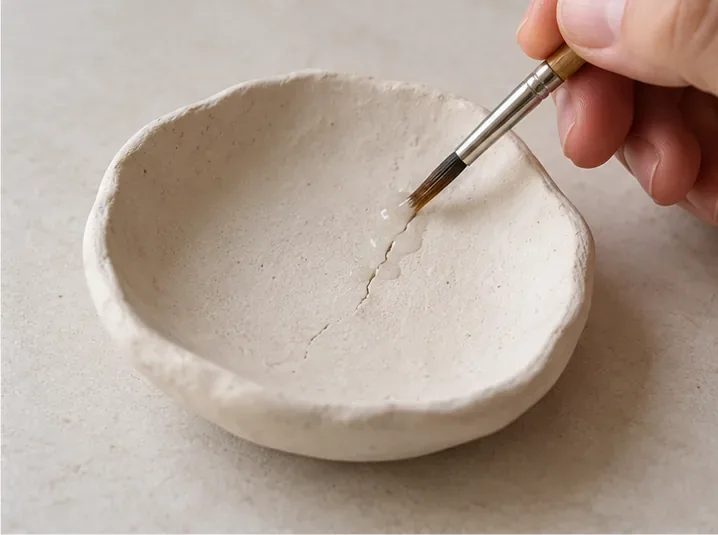
Why Air-Dry Clay Cracks—and How to Repair It

Why Air-Dry Clay Cracks—and How to Repair It

Learn why air-dry clay cracks as it dries, how to patch small cracks with water or fresh clay, and how to dry repairs evenly to reduce repeat damage.

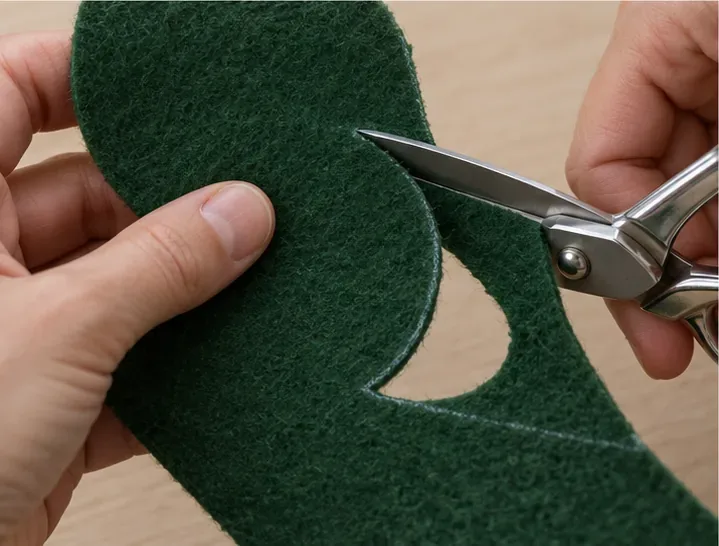
How to Cut Felt Cleanly Without Frayed or Ragged Edges

How to Cut Felt Cleanly Without Frayed or Ragged Edges

Get clean felt edges with the right scissors, a steady pattern, and smooth cutting strokes. Learn when a rotary cutter or utility knife makes more sense.

How to Remove Hot Glue Strings Without Damaging Your Project

How to Remove Hot Glue Strings Without Damaging Your Project

Learn a gentle, surface-aware way to remove cooled hot glue strings from crafts, with practical steps for wood, paper, fabric, plastic, and more.

How to Paint Cardboard Without Making It Soggy: A Kid-Friendly Guide

How to Paint Cardboard Without Making It Soggy: A Kid-Friendly Guide

Help kids paint cardboard without warping it. Learn which paint to use, how much to apply, how to dry each coat, and what mistakes to avoid.

How to Photograph Small Crafts Clearly With Window Light

How to Photograph Small Crafts Clearly With Window Light

Photograph small crafts with soft window light, a simple white reflector, and precise focus. Learn how to reduce blur, harsh shadows, and color shifts.

Why Homemade Stickers Lose Adhesion—and How to Make Them Last Longer

Why Homemade Stickers Lose Adhesion—and How to Make Them Last Longer

Homemade stickers peel when adhesive, surface, and conditions do not match. Learn how to prep surfaces, apply stickers smoothly, choose materials, and store sheets.

What Can You Use Instead of Glitter for a Lower-Mess Sparkle?

What Can You Use Instead of Glitter for a Lower-Mess Sparkle?

Compare metallic paper, markers, paint, foil accents, and ribbon for a glitter-free sparkle effect. Choose by surface, shine, cleanup, and who will use the craft.

How to Build a Cardboard Hinge That Holds Up to Repeated Opening

How to Build a Cardboard Hinge That Holds Up to Repeated Opening

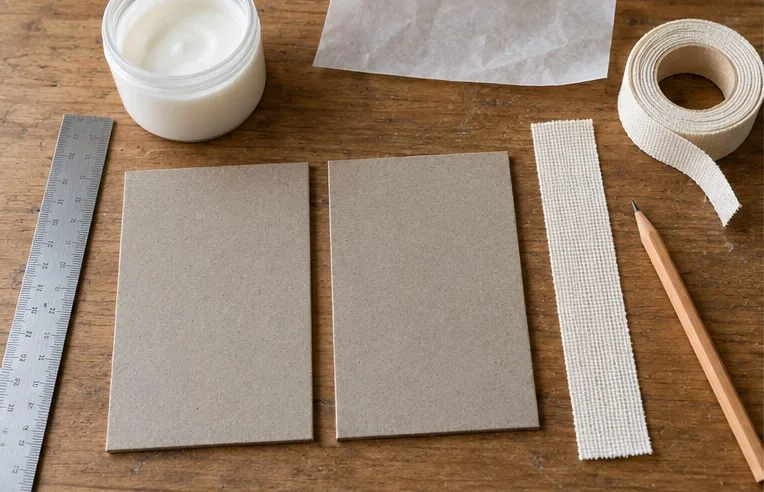
Build a longer-lasting cardboard hinge with rigid panels, a measured gap, and a flexible cloth bridge. Learn how to assemble, test, and troubleshoot it.

The Easiest Way to Transfer a Simple Pattern Onto Fabric

The Easiest Way to Transfer a Simple Pattern Onto Fabric

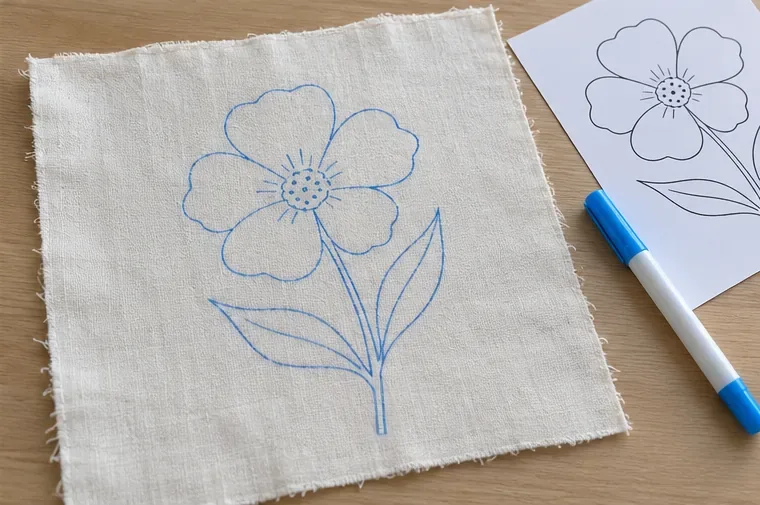
For a simple design on light fabric, tracing with a removable fabric marker is usually the easiest transfer method. Learn the steps, alternatives, and mistakes to avoid.