How to Make Slime without Borax or Glue

Making slime is an easy, affordable way to keep little hands busy. If you’re a busy parent, grandparent, or caregiver looking for a fun do-it-yourself craft, this one will keep young ones busy for hours.

How to Make Slime without Borax or Glue

Source: youtube.com/JellyRainbow

Carefully review the ingredients in any recipe you make. Elements such as borax can cause painful irritation or injury. See Fox 59’s report for more information.

How to make slime with shaving cream

You can make a great fluffy version of slime with a few simple ingredients. You will need:

  • Suave Kids 3-in-1 Shampoo
  • Shaving cream
  • Salt
  • Mixing utensil
  • Mixing bowl

Follow these easy steps to achieve do-it-yourself slime:

Pour shampoo into a mixing bowl.If you are unsure how much to use, start small. Try about two tablespoons to begin. You can always add more later to make a larger batch.

Add shaving cream to bowl.You will want about a 1:1 mixture of shampoo and shaving cream.

Use mixing utensil to stir ingredients together.

Stir until your mixture is a uniform consistency.

Add salt.If you are going with the initial test of two tablespoons, you will want about a teaspoon of salt.

Mix until the concoction is smooth in texture.

Freeze for 15 minutes.

Remove and play!

Those busy little bodies can reap hours of fun with this easy slime recipe.

How to make slime with body wash

Here’s another fun recipe to try for slime that uses common household items, but no borax or glue. Assemble these ingredients:

  • Body wash
  • Food coloring
  • Cornstarch
  • Mixing bowl
  • Mixing utensil
  • Water

Once you have gathered your supplies, follow these steps:

Add body wash to mixing bowl.If you are unsure how much you are hoping to make, start small. Add about two tablespoons to begin. You can always add more later.

Add food coloring. Continue adding until you achieve the desired color.

Mix until the texture is smooth in consistency.

Pour cornstarch into the mixture.

You will need about the same amount of cornstarch as body wash.

Mix ingredients together with your utensil.

When ingredients are mostly mixed, but you still have a floury consistency, pick up and knead together with hands.At first it may seem as though you have added too much cornstarch. Not to worry. Continue kneading with hands until all elements are mixed and concoction is doughy in consistency.

Optional: Add water to make your slime more stretchy. Add as necessary to achieve desired consistency.

And now, begin having fun!

Always store your slime in an airtight container for later usage.

Always dispose of slime in the garbage. Putting slime in sinks can clog your drain.

Check out this article for more slime recipes using cornstarch.

Leave a Comment

How to Make Washable Paint Less Watery for Stamping

How to Make Washable Paint Less Watery for Stamping

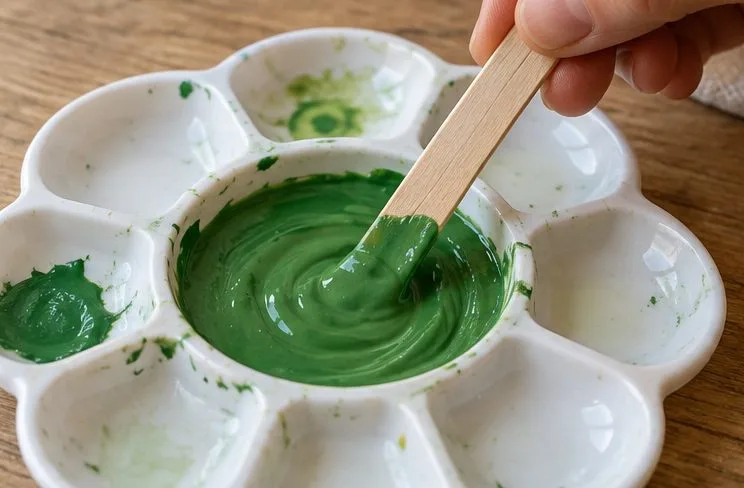
Make washable paint stamp cleanly: stir first, load stamps lightly, and compare compatible thick paint or paint-specific mediums without risking the whole bottle.

Why Air-Dry Clay Cracks—and How to Repair It

Why Air-Dry Clay Cracks—and How to Repair It

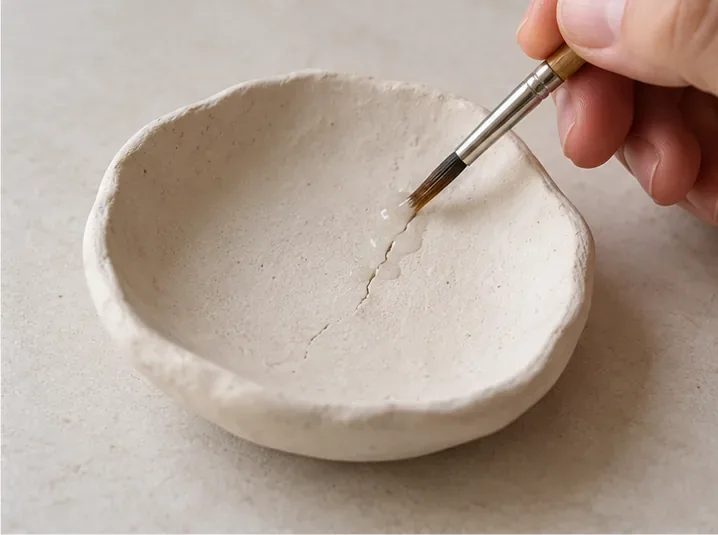
Learn why air-dry clay cracks as it dries, how to patch small cracks with water or fresh clay, and how to dry repairs evenly to reduce repeat damage.

How to Cut Felt Cleanly Without Frayed or Ragged Edges

How to Cut Felt Cleanly Without Frayed or Ragged Edges

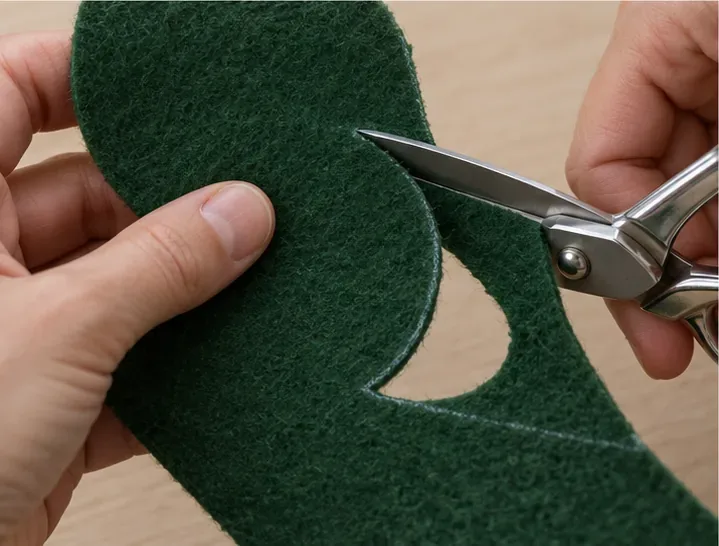
Get clean felt edges with the right scissors, a steady pattern, and smooth cutting strokes. Learn when a rotary cutter or utility knife makes more sense.

How to Remove Hot Glue Strings Without Damaging Your Project

How to Remove Hot Glue Strings Without Damaging Your Project

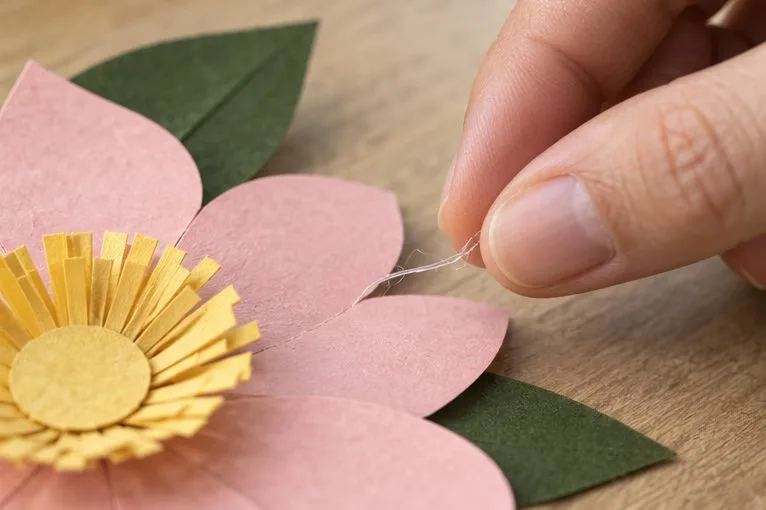
Learn a gentle, surface-aware way to remove cooled hot glue strings from crafts, with practical steps for wood, paper, fabric, plastic, and more.

How to Paint Cardboard Without Making It Soggy: A Kid-Friendly Guide

How to Paint Cardboard Without Making It Soggy: A Kid-Friendly Guide

Help kids paint cardboard without warping it. Learn which paint to use, how much to apply, how to dry each coat, and what mistakes to avoid.

How to Photograph Small Crafts Clearly With Window Light

How to Photograph Small Crafts Clearly With Window Light

Photograph small crafts with soft window light, a simple white reflector, and precise focus. Learn how to reduce blur, harsh shadows, and color shifts.

Why Homemade Stickers Lose Adhesion—and How to Make Them Last Longer

Why Homemade Stickers Lose Adhesion—and How to Make Them Last Longer

Homemade stickers peel when adhesive, surface, and conditions do not match. Learn how to prep surfaces, apply stickers smoothly, choose materials, and store sheets.

What Can You Use Instead of Glitter for a Lower-Mess Sparkle?

What Can You Use Instead of Glitter for a Lower-Mess Sparkle?

Compare metallic paper, markers, paint, foil accents, and ribbon for a glitter-free sparkle effect. Choose by surface, shine, cleanup, and who will use the craft.

How to Build a Cardboard Hinge That Holds Up to Repeated Opening

How to Build a Cardboard Hinge That Holds Up to Repeated Opening

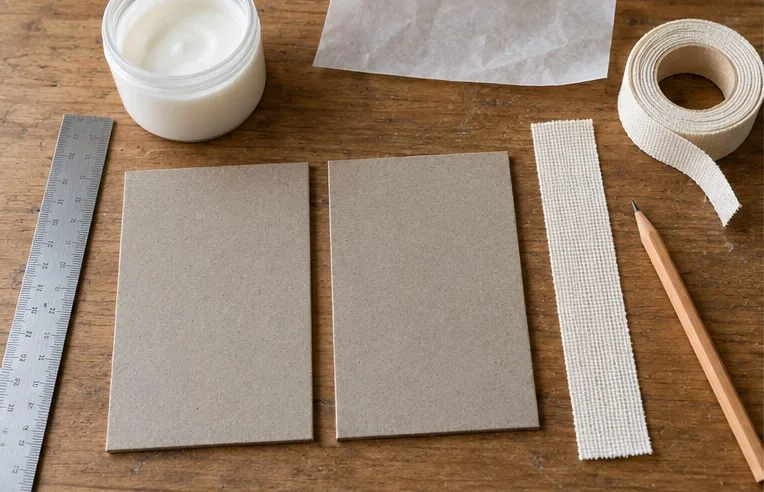
Build a longer-lasting cardboard hinge with rigid panels, a measured gap, and a flexible cloth bridge. Learn how to assemble, test, and troubleshoot it.

The Easiest Way to Transfer a Simple Pattern Onto Fabric

The Easiest Way to Transfer a Simple Pattern Onto Fabric

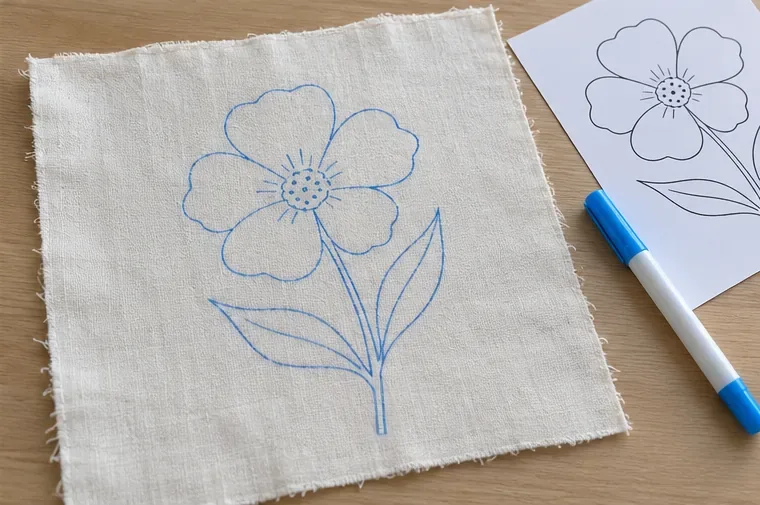
For a simple design on light fabric, tracing with a removable fabric marker is usually the easiest transfer method. Learn the steps, alternatives, and mistakes to avoid.