Keto Dessert Recipe: Creamy Cookie Dough Mousse

Uncontrolled cravings can wreck your keto diet more easily than nearly anything else. You’ll always need to have an element of self-control, of course, but you shouldn’t have to sacrifice delicious foods by going low-carb.

This can also be a great “keto evangelism” tool. There are few things more mind-blowing to people who oppose keto than to challenge their assumptions about treats being out of the game by showing up to a party with a sinfully delicious, low-carb dessert in hand. Many opponents of keto paint the diet as something that’s boring, tasteless, and devoid of anything that resembles sweetness.

Creamy Cookie Dough Mousse is a great option to introduce you to the world of delectable, healthy desserts that your friends likely won’t be able to tell from the real thing. This recipe requires only 10 minutes of prep time and absolutely no cook time.

Keto Dessert Recipe: Creamy Cookie Dough Mousse

Photograph courtesy of Tasteaholics, Inc.

Creamy Cookie Dough Mousse

Prep time: 10 minutes

Cook time: None

Yield: 2 servings

Ingredients

2 tablespoons unsalted butter

4 ounces cream cheese, softened

1/4 cup powdered erythritol

1 teaspoon sugar-free maple syrup

1-1/2 teaspoons vanilla extract

1/4 cup stevia-sweetened dark chocolate chips

Directions

In a small saucepan, melt the butter over low heat until golden brown.

In a medium bowl, beat together the cream cheese, erythritol, maple syrup, and vanilla extract with a hand mixer until smooth and well combined.

Beat in the browned butter until smooth and well combined.

Fold in the chocolate chips; then spoon into two dessert cups and chill until ready to serve.

Per serving: Calories 378 (From Fat 334); Fat 37g (Saturated 22g); Cholesterol 93mg; Sodium 184mg; Carbohydrate 16g (Dietary Fiber 6g); Net Carbohydrate 10g; Protein 5g.

If you’re looking for dark chocolate chips, Lily’s is a great brand to try.
Leave a Comment

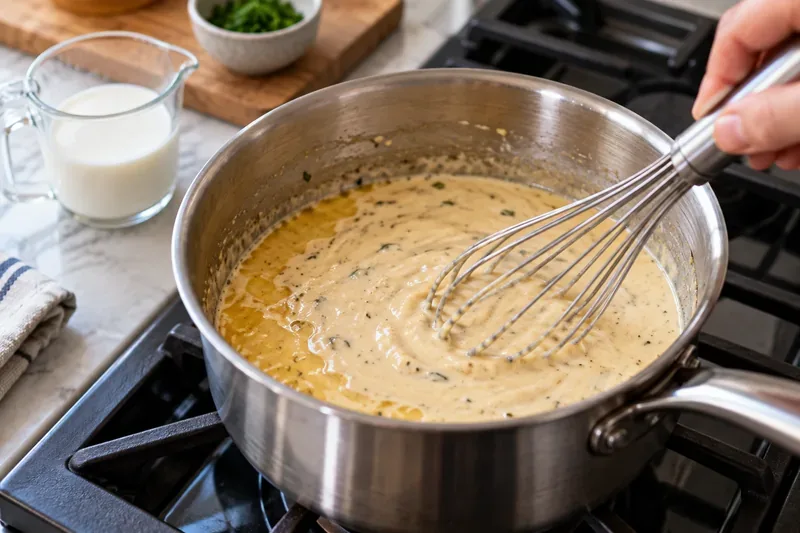
Why Does Sauce Separate After Reheating, and Can You Fix It?

Why Does Sauce Separate After Reheating, and Can You Fix It?

Sauce can split after reheating when fat, water, proteins, or starch fall out of balance. Learn why it happens, which sauces can be rescued, and how to reheat them safely.

What Makes Pancakes Tough Instead of Fluffy? Causes and Fixes

What Makes Pancakes Tough Instead of Fluffy? Causes and Fixes

Find out why pancakes turn tough, chewy, or dense. Learn how to mix batter gently, check leaveners, control pan heat, and cook a fluffy test batch.

How to Fix Soup That Tastes Too Salty Without Doubling the Recipe

How to Fix Soup That Tastes Too Salty Without Doubling the Recipe

Rescue salty soup with measured dilution, liquid exchange, or unsalted add-ins. Learn what potatoes, lemon, sugar, and cream can—and cannot—do.

How to Cool a Large Pot of Food Safely Before Refrigerating It

How to Cool a Large Pot of Food Safely Before Refrigerating It

Cool a large pot of soup, stew, or other leftovers safely: divide it into shallow containers, use an ice bath when needed, and refrigerate promptly.

Why Cooked Rice Gets Hard in the Fridge—and How to Reheat It Safely

Why Cooked Rice Gets Hard in the Fridge—and How to Reheat It Safely

Learn why refrigerated rice firms up, how to restore its texture, and how to cool, store, and reheat leftovers safely to 165°F.

How to Help a Small Batch of Dough Rise in a Cool Kitchen

How to Help a Small Batch of Dough Rise in a Cool Kitchen

Use a gentle warm spot, cover the dough, and follow visual cues to help a small batch rise in a cool kitchen without overheating or overproofing it.

Simmering vs. Poaching vs. Boiling: How to Tell the Difference

Simmering vs. Poaching vs. Boiling: How to Tell the Difference

Learn how poaching, simmering, and boiling differ by water movement, temperature, and best uses, plus how to control the heat and check doneness safely.

Why Chocolate Seizes When Melting—and the Best Way to Save It

Why Chocolate Seizes When Melting—and the Best Way to Save It

Learn why melted chocolate turns thick and grainy, how to rescue it as sauce or ganache, and when baking or starting over is the better choice.

How to Tell Whether Baking Powder Is Still Active

How to Tell Whether Baking Powder Is Still Active

Test baking powder with warm water, read the bubbles, and learn when to replace it. This simple guide also explains storage, dates, and common testing mistakes.

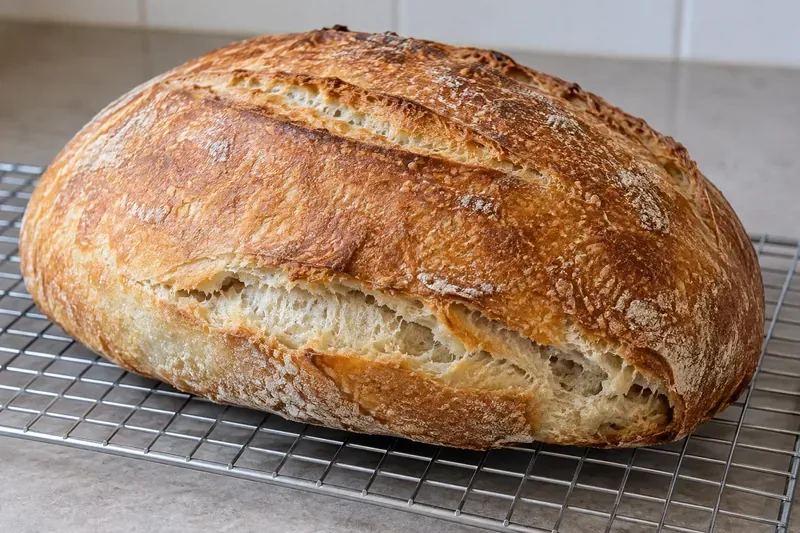
Why Homemade Bread Splits on the Side Instead of the Top

Why Homemade Bread Splits on the Side Instead of the Top

A side split usually means the loaf expanded at a weak point instead of opening through its score. Learn how scoring, steam, shaping, proofing, and pan fit affect the result.