Keto flu is one of the most frequently experienced consequences of implementing a keto diet plan, but it can be overcome quite easily if you’re prepared with a few tricks up your sleeve.
Symptoms of keto flu
You’ll know you are going through the keto flu if you have
- Muscle aches and weakness
- Brain fog and difficulty concentrating
- Headaches
- Intense fatigue
- Insomnia
- Gut issues like indigestion, constipation, and even diarrhea
Your body is making a significant change in its basic mode of operation, and the keto flu and other symptoms are just signs that the kinks are getting worked out. As your glucose stores drop and your body turns to fat as the primary source of energy, the many genes, enzymes, and proteins needed to accomplish this goal must come out of hibernation and ramp up to do the job. Your body has to go through the transition period of getting used to these new processes before it can become efficient at using fat as fuel.
When does keto flu hit?
The keto flu is a common speedbump that, if it happens, will begin a few days into starting the keto journey.
The first thing you’ll need is patience. Your body is doing its best to keep up with your good intentions — give it time and remember to be gentle with yourself and your body. Make sure that you won’t be preparing for a major exam, gearing up for an intense work deadline, or having a slew of social activities around the time of your keto transition.
If you have a break from work or school, use that time to start the keto diet. Or, if you can’t afford that luxury, at least make sure it’s at a time of relative calm in your life. You need to remove as many obstacles as you can to ensure you stay on keto; trying to completely change your eating style while going through other life transitions or periods of stress can be overwhelming.
If you don’t have any downtime to transition, or you’re trying to go keto a second or third time because of roadblocks in the past, a good suggestion is to slowly decrease your carb intake instead of jumping headfirst into a diet where you’re suddenly restricted to 25 grams of carbs per day. You’ll still get to ketosis if your journey takes a little longer. If you’re on the standard American diet, you’re likely consuming 150 to 200 grams of carbs per day; over a few weeks, slowly drop down to less than 50 grams of carbs per day. This will help decrease your risk of going through severe keto flu.
When we first started the keto journey, we were ready to go all in. We fasted for two days, drinking water often and walking around a local park for an hour and a half each day to burn up our excess glycogen stores. We thought, “Faster is always better, right?” Not so fast. When day three hit, just as we began to get excited about digging into our avocado and coconut oil stores, the keto flu hit — and it hit hard. To say we felt like we had been run over by a truck was an understatement. We found it difficult to get out of bed, not only from fatigue, but also because as soon as we tried, the room immediately would go in and out of focus. Nausea hit like a ton of bricks, and we spent a lot of time in the bathroom. Both blood and urine tests showed that we were fully in ketosis, but being chained to the toilet put a damper on our celebration.
Remedies for the keto flu
If you do end up experiencing symptoms of keto flu, you can decrease the severity — or eliminate it altogether — by following a few simple steps. In no particular order, here are five remedies to get you through the keto flu:
- Take an Epsom salt bath. Epsom salts are magnesium sulfate crystals, and they’re great for relaxing sore muscles and decreasing pain. We recommend putting 1 or 2 cups of Epsom salts in a warm (not scalding) bath and soaking for at least 20 minutes. For an added benefit, choose a lavender and Epsom salt combo or add a few drops of lavender oil to your bath. Lavender is also known for its ability to relieve tight muscles and will add a relaxing and soothing quality to your experience.
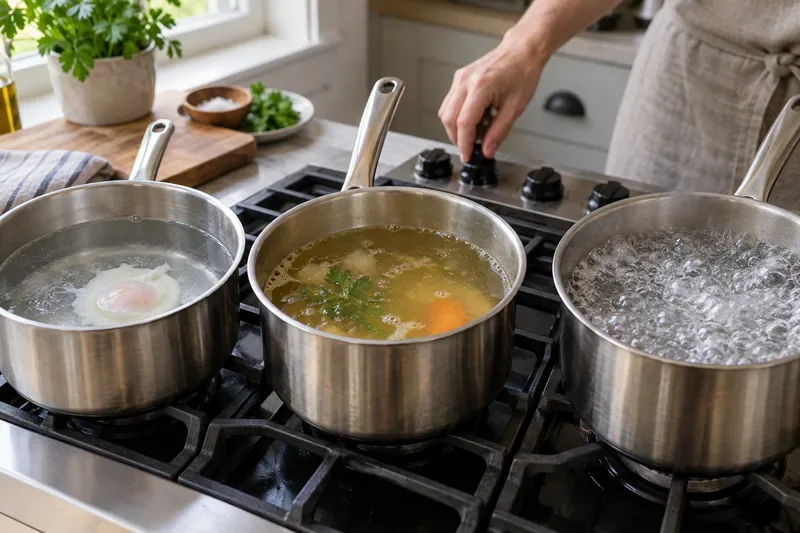
- Eat (and drink) your minerals (salt, potassium, and magnesium). You can quickly lose salt and potassium on the ketogenic diet, so it’s vital that you replace them. Losing these essential minerals can cause the symptoms of keto flu, so if you replace them before they get too low, you may save yourself a challenging few days. Additionally, magnesium helps mitigate symptoms like constipation and muscle aches. To replenish these lost minerals, drink electrolyte water or bone or vegetable broth, and eat potassium-rich foods like avocado. Another good option is to take a potassium and magnesium supplement during your transition and get friendly with the salt shaker.
 ©By Whiteaster/Shutterstock.com
Add bone broth to your keto diet to replenish lost minerals.
- Stay hydrated. You should be drinking half your body weight in ounces of water per day. For example, if you weigh 200 pounds, you should be drinking 100 ounces of water, but that’s just a baseline.
- Ditch the coffee and alcohol. If you’re addicted to your morning latte, then at least try to decrease your intake. Both caffeine and alcohol are diuretics, meaning they make you urinate more and can worsen the dehydration that often occurs as you transition to keto (as glucose and glycogen leave your body, they carry three to four times their weight in water with it). Try reducing your intake of both beverages as you’ll be chasing after your own tail — and getting nowhere fast — if you continue with the double espressos or after-dinner cocktails during your transition.
- Don’t be afraid to take a rain check. If you have the keto flu, you’re probably not going to feel like going anywhere. Don’t be afraid to let friends and family know that you’ll have to reschedule something for another time. Relaxation and rest are very important — don’t underestimate them!
While going full bore will get you to ketosis faster, it isn’t necessarily the healthiest — or most sustainable — way to go. If you’re planning on kicking off ketosis with an intermittent fast and you’re physically prepared and able, then go for it. But stay well hydrated and add some electrolyte water or even a bit of bone broth to your hydration regimen. If you start noticing symptoms or begin feeling unwell, make sure to have your favorite electrolyte replacement within easy reach. If you get a nasty case of keto flu, you’ll be happy that you took some time to prepare for the worst-case scenario.