Keto One-Pot Meal Recipe: Chicken Pizza Casserole

Staying on track with the keto diet requires rethinking the way you do lunch. It’s actually not that difficult, but because cooking with fat requires a different set of skills than cooking with carbs does, you’ll have to challenge some of your basic habits when it comes to meal prep. For keto lunch ideas, you can’t default to sandwiches, and ordering in pizza isn’t typically an option.

Keto One-Pot Meal Recipe: Chicken Pizza Casserole

Photograph courtesy of Tasteaholics, Inc.

What you’ll find, however, is that when you begin cooking intentionally with an eye toward health, not only will your nutrition take a noticeable turn for the better, but you’ll start to experience a much higher premium on taste. Unfortunately, most people settle for a boring, bland, less-than-healthy lunch at work, almost as if it’s something they have to endure rather than enjoy. That isn’t the case with keto-friendly foods.

This lunchtime recipe passed some rigorous tests: It keeps you on your macros, is filled with healthy ingredients, is easy to prepare initially, and is just as simple to enjoy in a restricted work environment.

One of the most important criteria of a successful keto meal is the taste, though. Fat adds a lot of flavor to food, and after just a little bit of adjustment, your taste buds will no longer crave the over-preserved carbs that used to fill your midday meal and you’ll actually prefer the delicious, varied, rich flavor of fat-filled foods.

Also try Steak Tenderloin with Crispy Kale.

Chicken Pizza Casserole

Prep time: 15 minutes

Cook time: 30 minutes

Yield: 4 servings

Ingredients

1 pound boneless chicken thighs

1 tablespoon olive oil

2 large zucchini, cubed

12 ounces whole-milk ricotta cheese

4 ounces sliced pepperoni, divided

2 cloves minced garlic

Salt and pepper, to taste

1 cup shredded mozzarella cheese

1/4 cup grated parmesan

Directions

Preheat the oven to 350 degrees and grease a 9-x-13-inch glass baking dish.

Cook the chicken thighs in an oiled skillet over medium heat until cooked through.

Remove the chicken to a cutting board and shred with two forks.

In a large bowl, toss together the shredded chicken with the zucchini, the ricotta cheese, half the pepperoni, the garlic, the salt, and the pepper.

Spread the mixture in the baking dish and bake for 20 minutes.

Sprinkle with mozzarella and parmesan, and then top with the remaining pepperoni.

Bake for another 5 to 10 minutes, until the cheese is melted.

Per serving: Calories 631 (From Fat 418); Fat 47g (Saturated 20g); Cholesterol 205mg; Sodium 1,052mg; Carbohydrate 9g (Dietary Fiber 2g); Net Carbohydrate 7g; Protein 44g.
Leave a Comment

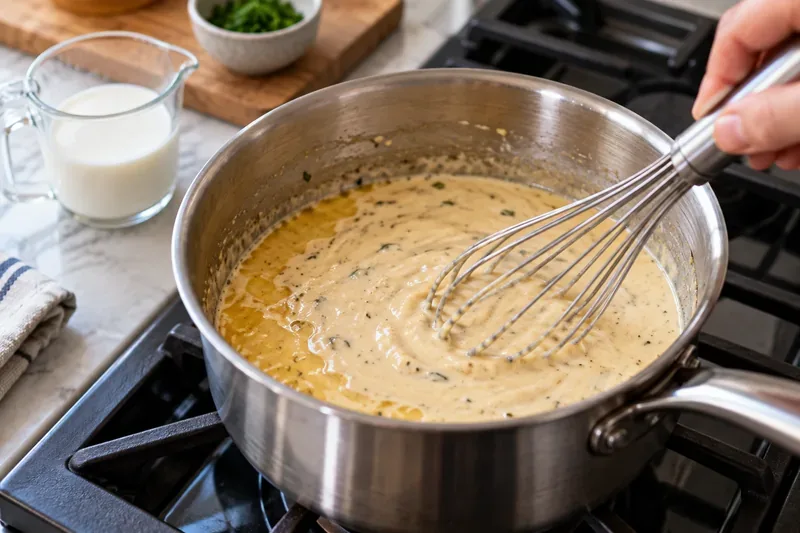
Why Does Sauce Separate After Reheating, and Can You Fix It?

Why Does Sauce Separate After Reheating, and Can You Fix It?

Sauce can split after reheating when fat, water, proteins, or starch fall out of balance. Learn why it happens, which sauces can be rescued, and how to reheat them safely.

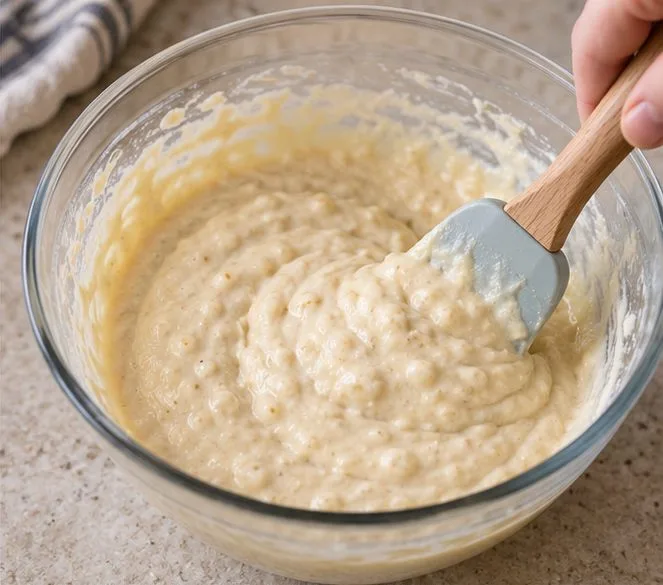
What Makes Pancakes Tough Instead of Fluffy? Causes and Fixes

What Makes Pancakes Tough Instead of Fluffy? Causes and Fixes

Find out why pancakes turn tough, chewy, or dense. Learn how to mix batter gently, check leaveners, control pan heat, and cook a fluffy test batch.

How to Fix Soup That Tastes Too Salty Without Doubling the Recipe

How to Fix Soup That Tastes Too Salty Without Doubling the Recipe

Rescue salty soup with measured dilution, liquid exchange, or unsalted add-ins. Learn what potatoes, lemon, sugar, and cream can—and cannot—do.

How to Cool a Large Pot of Food Safely Before Refrigerating It

How to Cool a Large Pot of Food Safely Before Refrigerating It

Cool a large pot of soup, stew, or other leftovers safely: divide it into shallow containers, use an ice bath when needed, and refrigerate promptly.

Why Cooked Rice Gets Hard in the Fridge—and How to Reheat It Safely

Why Cooked Rice Gets Hard in the Fridge—and How to Reheat It Safely

Learn why refrigerated rice firms up, how to restore its texture, and how to cool, store, and reheat leftovers safely to 165°F.

How to Help a Small Batch of Dough Rise in a Cool Kitchen

How to Help a Small Batch of Dough Rise in a Cool Kitchen

Use a gentle warm spot, cover the dough, and follow visual cues to help a small batch rise in a cool kitchen without overheating or overproofing it.

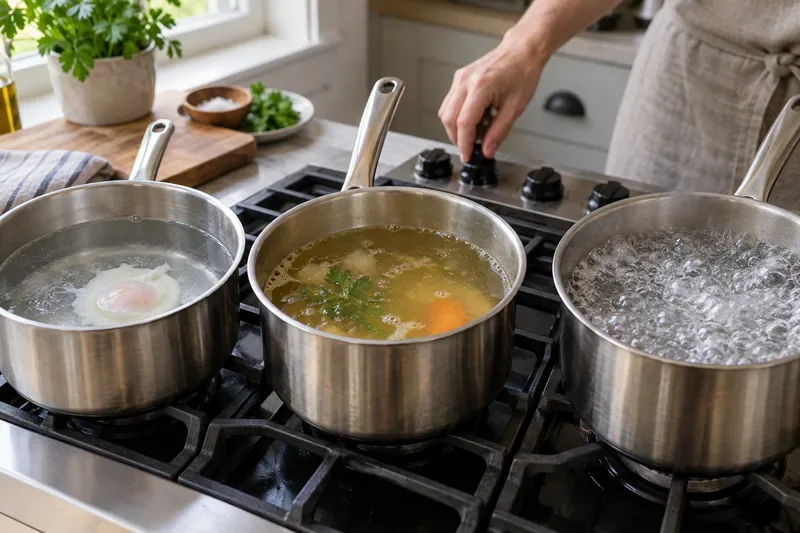
Simmering vs. Poaching vs. Boiling: How to Tell the Difference

Simmering vs. Poaching vs. Boiling: How to Tell the Difference

Learn how poaching, simmering, and boiling differ by water movement, temperature, and best uses, plus how to control the heat and check doneness safely.

Why Chocolate Seizes When Melting—and the Best Way to Save It

Why Chocolate Seizes When Melting—and the Best Way to Save It

Learn why melted chocolate turns thick and grainy, how to rescue it as sauce or ganache, and when baking or starting over is the better choice.

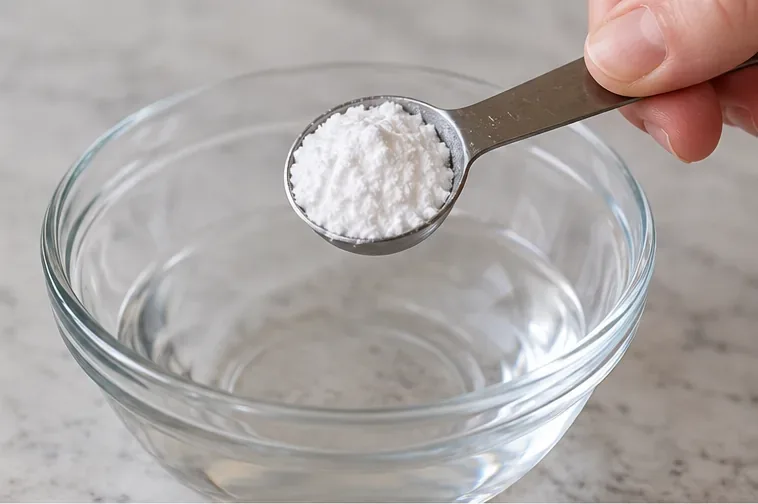
How to Tell Whether Baking Powder Is Still Active

How to Tell Whether Baking Powder Is Still Active

Test baking powder with warm water, read the bubbles, and learn when to replace it. This simple guide also explains storage, dates, and common testing mistakes.

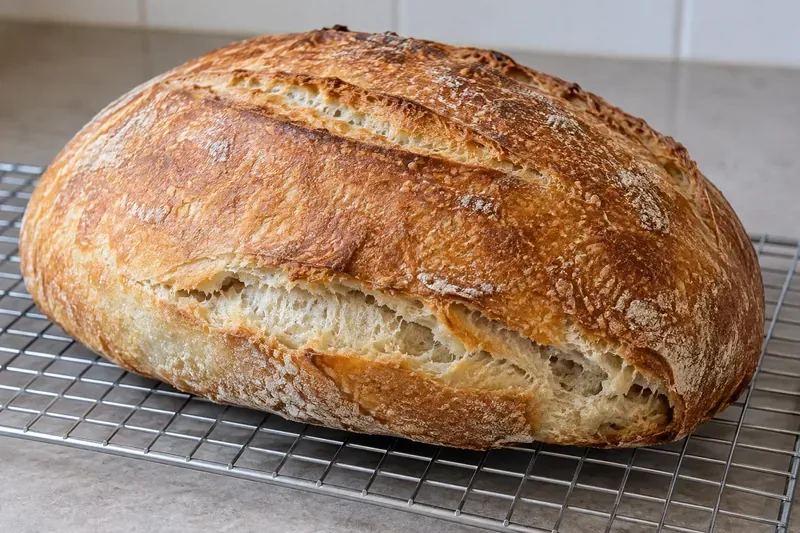
Why Homemade Bread Splits on the Side Instead of the Top

Why Homemade Bread Splits on the Side Instead of the Top

A side split usually means the loaf expanded at a weak point instead of opening through its score. Learn how scoring, steam, shaping, proofing, and pan fit affect the result.