Keto Appetizer Recipe: Crispy Baked Onion Rings

Appetizers like Crispy Baked Onion Rings are some of the most amazing things in the world, especially if you’re a foodie, and they fit exceedingly well into your keto foods. Think about it: They’re literally recipes that are designed to be so delicious that their entire purpose is to make you want to eat more food!

Appetizers are served at the beginning of the meal when your hunger is highest, your stomach is emptiest, and you’re just ready to get going on a meal you’ve waited so long for. This requires the highest levels of satisfaction, and keto appetizers deliver — and they deliver well.

Using smaller dishes like appetizers as keto diet snacks is a critical aspect of the keto approach. It can be challenging to get all your calories in if you’re relying exclusively on full meals — fat is so filling that you’ll find your portions decrease and you eat less as a result (remember that each gram of fat contains more than twice the energy of a gram of carbs).

Eating less while you’re on a diet focused around weight loss doesn’t seem like it would be a problem, but remember that you can eat too little. The goal of weight loss is to eat enough to keep your metabolism high, but not so much that your body isn’t digging into its fat stores and burning off that excess weight.

Keto Appetizer Recipe: Crispy Baked Onion Rings

©By Olexiy Bayev/Shutterstock.com

Snacks offer a great way to make minor adjustments to your macros and caloric intake as you’re planning out your meals. When you create your meal list for the week and check it against your macros and find yourself a few hundred calories short, don’t add another meal (which can bump your calories up to the point where you’re no longer losing weight). Instead, just add a snack or an appetizer like Crispy Baked Onion Rings.

Crispy Baked Onion Rings

Prep time: 5 minutes

Cook time: 20 minutes

Yield: 4 servings

Ingredients

1 large yellow onion

1 cup almond flour

1/2 cup grated parmesan cheese

1 teaspoon garlic powder

1 teaspoon paprika

1/4 teaspoon salt

1 large egg, whisked well

Directions

Preheat the oven to 400 degrees and line a baking sheet with parchment.

Slice the onion into rings about 1/4-inch thick.

In a bowl, combine the almond flour, parmesan cheese, garlic powder, paprika, and salt.

In a shallow dish, whisk the egg and then dip the onion rings into it.

Dredge the onion rings in the almond flour mixture; then place on the baking sheet.

Spray with cooking spray and bake for 15 to 20 minutes, until crisp and browned. Flip them halfway through, if needed

Per serving: Calories 240 (From Fat 164); Fat 18g (Saturated 3g); Cholesterol 55mg; Sodium 328mg; Carbohydrate 11g (Dietary Fiber 3g); Net Carbohydrate 8g; Protein 12g.
Leave a Comment

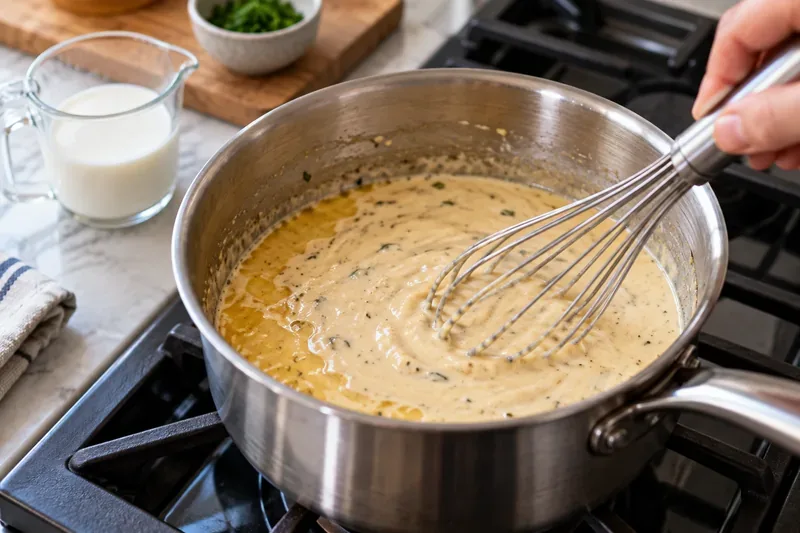
Why Does Sauce Separate After Reheating, and Can You Fix It?

Why Does Sauce Separate After Reheating, and Can You Fix It?

Sauce can split after reheating when fat, water, proteins, or starch fall out of balance. Learn why it happens, which sauces can be rescued, and how to reheat them safely.

What Makes Pancakes Tough Instead of Fluffy? Causes and Fixes

What Makes Pancakes Tough Instead of Fluffy? Causes and Fixes

Find out why pancakes turn tough, chewy, or dense. Learn how to mix batter gently, check leaveners, control pan heat, and cook a fluffy test batch.

How to Fix Soup That Tastes Too Salty Without Doubling the Recipe

How to Fix Soup That Tastes Too Salty Without Doubling the Recipe

Rescue salty soup with measured dilution, liquid exchange, or unsalted add-ins. Learn what potatoes, lemon, sugar, and cream can—and cannot—do.

How to Cool a Large Pot of Food Safely Before Refrigerating It

How to Cool a Large Pot of Food Safely Before Refrigerating It

Cool a large pot of soup, stew, or other leftovers safely: divide it into shallow containers, use an ice bath when needed, and refrigerate promptly.

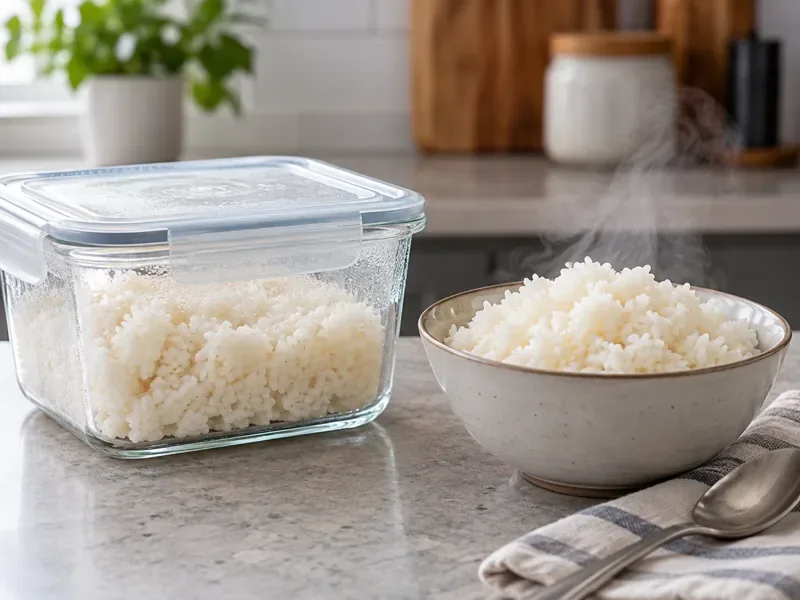
Why Cooked Rice Gets Hard in the Fridge—and How to Reheat It Safely

Why Cooked Rice Gets Hard in the Fridge—and How to Reheat It Safely

Learn why refrigerated rice firms up, how to restore its texture, and how to cool, store, and reheat leftovers safely to 165°F.

How to Help a Small Batch of Dough Rise in a Cool Kitchen

How to Help a Small Batch of Dough Rise in a Cool Kitchen

Use a gentle warm spot, cover the dough, and follow visual cues to help a small batch rise in a cool kitchen without overheating or overproofing it.

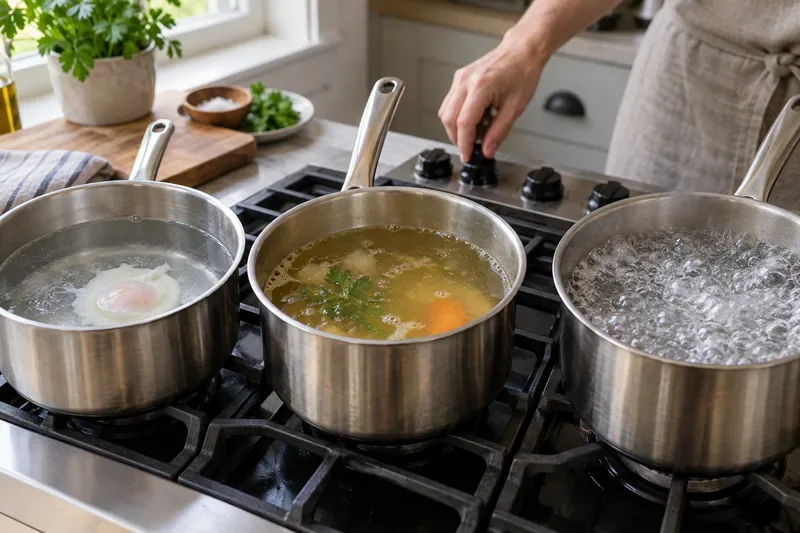
Simmering vs. Poaching vs. Boiling: How to Tell the Difference

Simmering vs. Poaching vs. Boiling: How to Tell the Difference

Learn how poaching, simmering, and boiling differ by water movement, temperature, and best uses, plus how to control the heat and check doneness safely.

Why Chocolate Seizes When Melting—and the Best Way to Save It

Why Chocolate Seizes When Melting—and the Best Way to Save It

Learn why melted chocolate turns thick and grainy, how to rescue it as sauce or ganache, and when baking or starting over is the better choice.

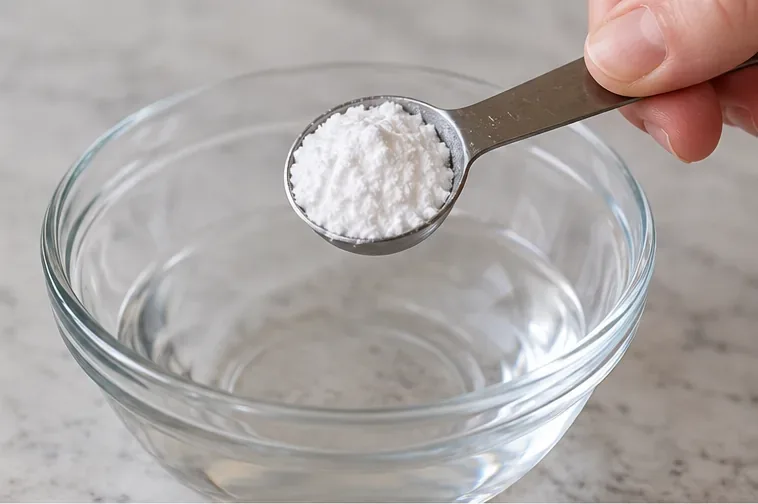
How to Tell Whether Baking Powder Is Still Active

How to Tell Whether Baking Powder Is Still Active

Test baking powder with warm water, read the bubbles, and learn when to replace it. This simple guide also explains storage, dates, and common testing mistakes.

Why Homemade Bread Splits on the Side Instead of the Top

Why Homemade Bread Splits on the Side Instead of the Top

A side split usually means the loaf expanded at a weak point instead of opening through its score. Learn how scoring, steam, shaping, proofing, and pan fit affect the result.