Pet birds are intelligent, affectionate, and rewarding companions. No matter what species of bird you choose, you need to set up a happy home for him with the right stuff. You also need to keep your bird healthy by performing routine care.

© A3pfamily / Shutterstock.com
What to Buy for Your New Bird
Buying a bird and setting him up in a new, happy home can be a big investment, but you don’t need to purchase much of the gear some retailers suggest. Some of the products out there are more than unnecessary — they’re dangerous.
No matter how much essential (and nonessential) stuff you buy for your bird, there’s one thing not to cut corners on: Start with a healthy, well-socialized bird from a reputable aviculturist or bird shop, and have a bird-savvy veterinarian examine him (and include a baseline laboratory workup).
Here’s a list of supplies you absolutely need for your bird:
- A well-designed, safe cage of appropriate size for the species. (A good rule: Choose one size bigger than the label suggests; for example, choose a small parrot cage for a cockatiel.)
- A diet appropriate to the species. For most birds, that’s a pelleted diet supplemented by fresh vegetables and fruit.
- Stainless steel or crockery (with nontoxic glaze) bowls.
- Perches: wooden, rope, natural branches (such as manzanita or citrus), and cement.
- Sturdy toys for amusement and exercise.
- Squirt bottle, for misting your bird (never for punishment).
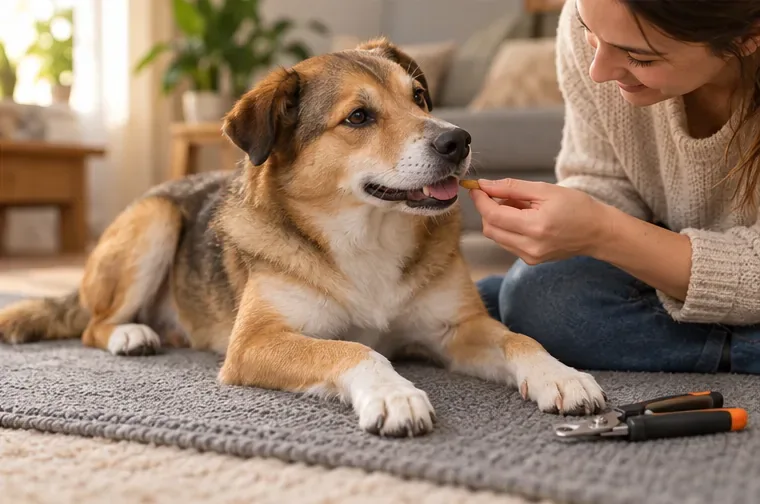
- Nail trimmer (dog or cat variety) or Dremel tool for blunting nails, as well as styptic powder to halt any bleeding.
- First aid kit (buy one ready-made or put together your own)
- Travel cage or carrier.
- Cleaning supplies.
Here are some things you shouldn’t buy, even if the bird store or breeder recommends them:
- Over-the-counter medications, including antibiotics, feather-picking “cures,” vitamins, or parasite preventives
- Sandpaper perches
- Seed-only diets
- Plastic toys that can be swallowed
- Grit
- Nesting boxes (except for a breeding bird)
And lastly, here are some things that are nice to have — for you and your bird:
- Air filter and humidifier
- Handheld vacuum
- Play gym
- Cage skirt to catch food, feathers, and other messes
- Identification, either microchip or leg band
Signs of a Healthy Pet Bird
Too often, people fail to notice early signs of illness because birds are particularly skilled at hiding these signs. Know what’s normal for your bird so you can spot changes that suggest illness and call your veterinarian right away.
A healthy bird:
- Behaves normally, perches without problems, moves with coordination, uses her full body without favoring one side or the other.
- Bears weight evenly, with all four toes present on each foot and in proper position.
- Is alert and responsive.
- Breathes easily, with no sign of laboring or tail bobbing.
- Has eyes, ears, and nostrils that are free of debris.
- Has healthy plumage — feathers have normal color and structure, with no signs of improper development or excessive wear. There is no evidence of damage from feather picking, improper housing, or other trauma.
- Consistently produces droppings that are normal in appearance. There is no pasting of waste on the fanny.
- Has a well-muscled body of appropriate weight and is not obese. The skin is smooth and translucent, without excessive amounts of fat showing underneath or excessive flakiness or crustiness.
Schedule of Routine Care to Ensure a Bird’s Good Health
Putting yourself on a schedule is a great way to make sure your bird’s basic needs are covered. Your avian veterinarian may have specific recommendations for your bird, but here’s a general outline of a good routine:
- Daily (or even more frequently): Clean food and water dishes and refill them; change cage paper. Most important: Provide attention and interaction, keeping an eye out for changes in behavior, routine, or appearance.
- Weekly: Scrub the cage where feces have accumulated. Rotate toys for variety, if your bird is comfortable with changes.
- Monthly: Blunt your bird’s toenails; check his wings for new feathers that need to be trimmed. Check his toys, and replace any worn ones. Get a feel for your bird’s body mass — has he gained or lost weight or muscle tone? Scrub and disinfect his entire cage.
- Annually: Schedule a well-bird exam with an avian veterinarian, possibly including some baseline laboratory tests.