You might have a slow cooker in your cupboard, gathering dust, and think to yourself, “Why do I need another slow cooker? I’ll pass on the Instant Pot.” But the Instant Pot is so much better than a slow cooker. When you own an Instant Pot, cooking is faster and easier than ever before. But it’s not just about speed. You can use your Instant Pot to reduce food waste and save money on the road, too.

©Siim79/Shutterstock.com
What is an Instant Pot?
Long gone are the days when you had to wait four to six hours to get that roast cooked to melt-in-your-mouth tender quality. The Instant Pot can deliver that kind of tenderness to you in 90 minutes or less, depending on the weight of your piece of meat. The Instant Pot takes those slow-cooked meals and makes them perfectly in about 70 percent less time.
So, how does the Instant Pot make meals “instantly”? Pressure cooking! It’s as simple as allowing (and trusting) the mechanics built into the pot to do the work for you. As pressure builds up inside the pot, energy is focused on cooking the food. In less than 20 minutes, you can enjoy hearty, wholesome meals like chicken enchiladas or beef stew!
5 ways to reduce food waste with an Instant Pot
Did you know that approximately 1.3 billion tons of food across the globe is wasted every single year? You can do your part, from the comfort of your own home, to cut back on waste, and the Instant Pot is a big help in this endeavor. Here are five ways to reduce food waste with an Instant Pot:
- Collect vegetable scraps in a bowl in the fridge. Those onion skins, carrot peels, and celery tops will make excellent additions to your next batch of vegetable stock! Save them for up to a week in an airtight container in the fridge or six months in the freezer, and use them in whatever beef, chicken, or vegetable broth you make from scratch.
- Buy from bins. As much as we love a good deal, buying large quantities of foods that eventually go bad isn’t the best for your wallet nor does it reduce food waste. Instead, shop the bulk bins and purchase only the amount you think you’ll need that month (or two months). You can keep a well-stocked pantry without having a 25-pound bag of rice!
- Embrace leftovers in multiple ways. Instant Pot rotisserie chicken is a beautiful canvas that creates a wide variety of meals that come together in practically no time. Use it for enchiladas, a taco salad, chicken noodle soup, or whatever else you’re in the mood for. Ensuring you eat all of what you cook will help reduce food waste from your own kitchen.
- Make your own stock. Bone broth (also referred to as stock) is all the rage these days! Making your own is actually better, environmentally speaking, than buying premade stock in the grocery store. Using up chicken bones to make your own stock is better than putting all that nutrition in the trash! Reap the benefits before you toss it. Better yet, use an Instant Pot for making stock — you’ll cut your time down to an hour! Now you’ve upcycled your food and cut electricity use!
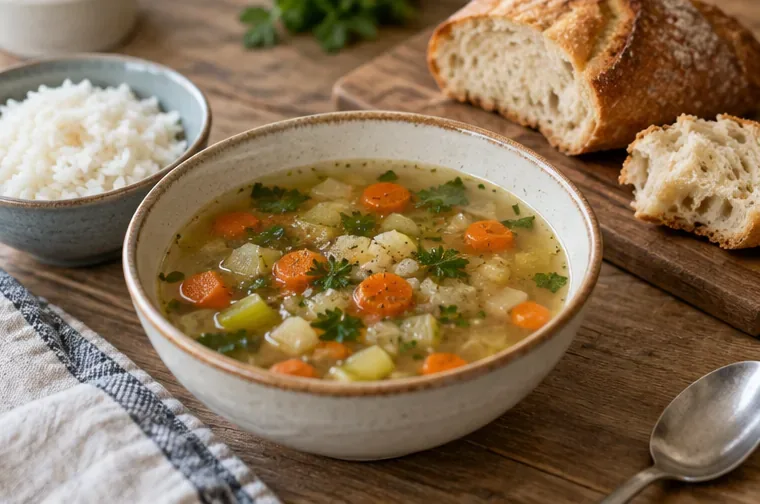
- Make your own soup. If you find yourself with a lot of vegetables rotting away in your refrigerator, it’s time to make soup. Pull out vegetables like onions, carrots, and celery, and combine them with tomatoes and peppers, and you can make an Italian soup. Or top it with crushed chips and avocado, and your Mexican-style refrigerator soup is ready to be served. It only takes five minutes in the Instant Pot! Now you can feel good about not tossing out all the excess produce, and make a meal in minutes!
Life on the road with an Instant Pot: Meal ideas for an RV
If you eat out every meal, traveling is expensive! But you can cook on the road on your next RV trip when you bring an Instant Pot along for the ride. The Instant Pot is an all-in-one cooking apparatus that every RV needs—it’s your all-in-one kitchen. Depending on the model you buy, you have a wide range of multifunctional cooking techniques to use—from pressure cooking to sautéing to baking. If you have a birthday coming up, you can even bake a cake while on the road, all while keeping your camper cool! A traditional stovetop uses lots of energy (inevitably heating up your space), but the Instant Pot uses 70 percent less energy, which means it won’t heat up your home-on-the-road.
There’s a reason you chose to head out in an RV, and we’re betting time in the great outdoors is one of them. We want you to savor that time and not worry about slaving over a stove! Try the following meals next time you hit the road with your family:
- Chili: Sauté ground beef and add in onion powder, chili powder, garlic powder, a can of beans, and a large can of tomato soup for a simplified version of chili. Pressure cook for 15 minutes; then naturally release the pressure and serve with corn chips, cheddar cheese, and a dollop of sour cream. You can enjoy the chili all day by enlisting the help of the Keep Warm
- Eggs: Whether you fancy your eggs poached, boiled, or scrambled, the Instant Pot can deliver! In less than 4 minutes, you can have a poached egg ready for your slice of toast.
- Spaghetti: Yes, even pasta can go into the Instant Pot. Add in your favorite jarred spaghetti sauce, a cup of red wine, and 8 ounces of broken spaghetti noodles. Pressure cook for 5 minutes; then perform a quick release to remove the pressure. Top with shredded cheese before serving.
- Steel-cut oats: Don’t waste 20 minutes stirring over a hot stovetop. Instead, pour 1 cup of steel-cut oats and 3 cups of water into your Instant Pot. Add a pinch of salt and a pinch of cinnamon. Pressure cook the oats for 6 minutes, and allow the pot to naturally release the pressure. Give it a quick stir, let it cool slightly to thicken, and serve!
- Chicken noodle soup: There’s something comforting about a warm cup of soup. Add a package of chicken thighs, two chopped carrots, two sliced celery stalks, a chopped onion, a bay leaf, some thyme, and some garlic to the Instant Pot. Cover with 6 cups of water, and cook under pressure for 10 minutes. Perform a quick release to remove the pressure; then stir in egg noodles and use the Sauté function, until the pasta is cooked, usually after about 5 to 8 minutes!