Golden Retrievers For aFamilyToday Cheat Sheet

Before bringing home your adorable Golden Retriever, take steps to dog-proof your house and surrounding areas. Know the signs of a serious medical problem or pet emergency, so you can contact your veterinarian and, if needed, give the right amount of pet safe medications to your Golden Retriever.

Golden Retrievers For aFamilyToday Cheat Sheet

©Yuriy Golub/Shutterstock.com

How to Dog-Proof Your Home

Dog-proofing your home, yard, and garage is essential for keeping your Golden Retriever (and your house!) safe. Go through this list to create a pet-friendly place:

  • Keep medication bottles and cleaning supplies out of reach.

  • Don’t toss dental floss where your puppy can get into it.

  • Unplug electrical cords.

  • Beware of coins, socks, needles, and tinsel.

  • Watch out for stringy stuff like yarn and sewing gear.

  • Do not use roach or rodent poison or other pesticide in areas accessible to your puppy.

  • Keep the toilet lid down and never use toilet bowl cleaners.

  • Keep the diaper pail lid shut tight.

  • Hide all trash.

  • Hide your underwear.

  • Beware of certain chemicals, such as treated lumber products and flea control products.

  • Watch out for windows.

  • Hide the antifreeze.

  • Store weed killers, pesticides, and herbicides out of reach.

  • Ban cigarettes or at least keep those ashtrays clean.

  • Watch out for poisonous plants, such as Lily of the Valley, Oleander, Rhododendron, Japanese Yews, and Poinsettia.

  • Beware of herbicide hazards.

Symptoms of Dog Emergencies

Keep this list handy to recognize your Golden Retrievers symptoms that signal a dog emergency or serious health problem so you can contact your veterinarian. Also, learn the types and dosages of medicines that are safe for your Golden:

Emergency!

  • Diarrhea for more than 24 hours

  • Bloody diarrhea, diarrhea with vomiting, fever, or other symptoms

  • Vomiting for more than 24 hours (save the vomitus)

  • Excessive panting, drooling, rapid pulse, dark red gums, frantic glazed expression (heatstroke)

  • Abdominal swelling, discomfort with labored breathing, restlessness, roaching the back, drooling, gagvomiting (bloat)

  • Very pale gums, shivering, lowered body temperature (under 100 degrees) (hypothermia)

  • Depression, shivering, weak pulse, listlessness, lowered body temperature (shock from loss of blood orinjury)

  • Sudden swelling around the head or other body part

Signs of serious health problems

  • Poor appetite

  • Prolonged or pronounced limping

  • Shortness of breath

  • Extreme lethargy or sleeping habits

  • Frequent urination

  • Sudden weight loss

  • Excessive water intake

  • Straining to move the bowels

  • Lumps or black mole-like growths on any body part

  • Unexplained change in attitude: fearful, shy, or aggressive

Leave a Comment

What to Pack for a Pet Sitter Besides Food and Medicine

What to Pack for a Pet Sitter Besides Food and Medicine

Prepare a pet-sitter kit with care instructions, emergency contacts, comfort items, cleanup supplies, ID details, and home-access notes—plus a practical handoff checklist.

Help Your Cat Feel Safe in the Carrier Before a Vet Visit

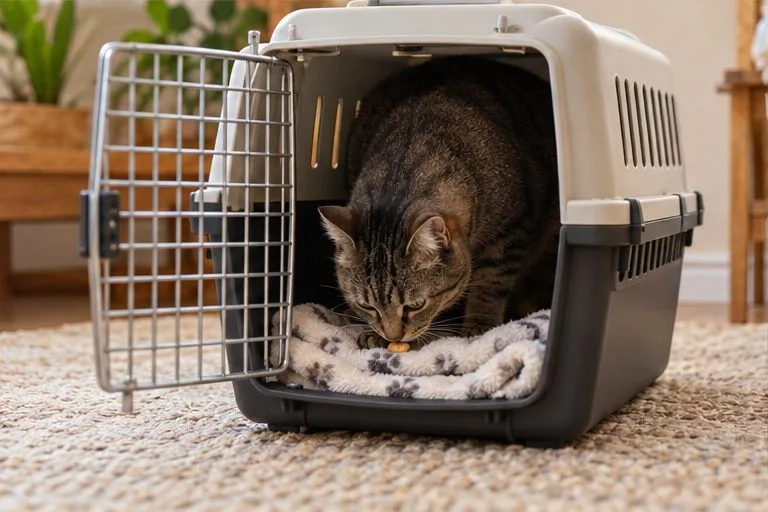
Help Your Cat Feel Safe in the Carrier Before a Vet Visit

Learn how to choose a cat carrier, build comfort with gradual reward-based practice, and prepare for a safer, less stressful veterinary trip.

Why a Rabbit May Refuse Hay but Still Eat Treats—and What to Do Next

Why a Rabbit May Refuse Hay but Still Eat Treats—and What to Do Next

A rabbit that skips hay but accepts treats may have dental pain, GI trouble, stress, or a diet preference. Learn what to watch, what to change, and when to call a rabbit-savvy vet.

Why Does a Cat Scratch Beside the Scratching Post?

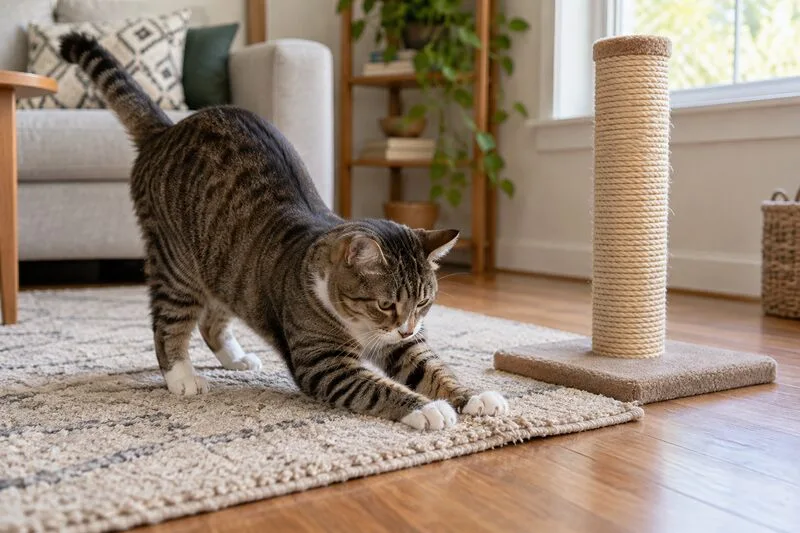
Why Does a Cat Scratch Beside the Scratching Post?

A cat may scratch beside a post because the spot, texture, angle, stability, or location suits it better. Learn what to observe and how to adjust the setup.

Why Does My Pet Get Restless at the Same Time Every Evening?

Why Does My Pet Get Restless at the Same Time Every Evening?

A pet’s evening restlessness may follow natural activity rhythms, routine cues, unmet needs, or health changes. Learn what to observe and when to call a veterinarian.

How to Help Your Cat Use a New Litter Box Without Forcing It

How to Help Your Cat Use a New Litter Box Without Forcing It

Introduce a new litter box gently: keep the familiar box available, use familiar litter, and let your cat choose. Learn when avoidance needs veterinary care.

Boredom or Anxiety? What Your Pet’s Behavior When Left Alone Can Tell You

Boredom or Anxiety? What Your Pet’s Behavior When Left Alone Can Tell You

Learn how to compare boredom and separation-related anxiety in pets, what to record on video, when to call a veterinarian, and which low-risk changes may help.

How to Introduce Two Pets When One Guards Food or Toys

How to Introduce Two Pets When One Guards Food or Toys

Plan a safer, gradual introduction when a dog guards food or toys. Learn how to separate resources, read stress signals, measure progress, and know when to get expert help.

How to Trim Pet Nails When Your Animal Dislikes Paw Handling

How to Trim Pet Nails When Your Animal Dislikes Paw Handling

Help a dog or cat accept nail care with gradual, reward-based practice. Learn what progress looks like, when to pause, and when to ask a veterinarian or groomer for help.

How to Clean a Pet Bed Without a Strong Detergent Scent

How to Clean a Pet Bed Without a Strong Detergent Scent

Learn how to wash a pet bed with less lingering detergent scent. Compare fragrance-free options, follow the care label, rinse thoroughly, and dry every layer safely.