If you’re thinking about bring a mixed-breed dog into your life, you need to get ready, whether that means knowing which questions to ask and testing the dog’s temperament or stocking up on supplies.

© Erik Lam / Shutterstock.com
Questions to ask when adopting a dog
Rescue dogs can make excellent companions. When you’re considering a rescue dog, ask the following questions:
- What is the dog’s gender? Is the dog spayed or neutered? Rescue organizations and shelters typically require dogs to be spayed or neutered before people take them home. The cost of spaying or neutering is likely built into the adoption fee.
- How old is the dog? A young dog will require more of your time because you’re likely to have to go through housetraining and obedience training. Make sure your young dog receives appropriate exercise and socialization. In general, a young dog will require more of your undivided attention. An older dog is more likely to be less energetic, and already housetrained and socialized. Dogs over 4 years of age tend to be happy just being with you and going for a daily walk.
- What are the prominent breeds among the mix? Knowing the breed mix will give you an idea of the dog’s energy levels, motivation to learn, and overall care requirements. For example, a dog with hound heritage may be more independent than a dog with retriever heritage. And a dog with Afghan Hound heritage will require more grooming than a dog with Whippet heritage.
- How big is the dog? Prior to looking for a dog, consider the right size for you and your family. If you have small children, you may prefer to get a dog who will be under 50 pounds. If you’re single, with an active lifestyle, a larger dog may be your preference. The size of your home also matters. A small or medium-size dog will fit great in an apartment or condominium, but a large dog will require more room to move around and exercise, including a fenced yard.
- Is the dog housetrained? This is one of the most important questions to ask. Do you have time to housetrain a dog? The process requires constant monitoring and quick action when you see your dog preparing to relieve himself. It’s time consuming. Many older dogs are already housetrained, but many younger dogs are not. Even if you’re told that the dog you intend to adopt is housetrained, you’ll need to spend time reinforcing this training to ensure your new dog understands the rules.
- Does the dog get along well with other dogs or children? If you don’t have other dogs or children, you might not think this question is relevant to you, but don’t forget about family, friends, and neighbors who might have dogs or children. Are you ready to work with a dog who might need socialization around dogs or children?
- Does the dog have any behavioral issues that will need to be addressed? No dog is perfect, and behavioral issues aren’t uncommon in rescue dogs. Just be clear what the dog you’re considering is going through so that you’re not surprised and you have the resources you need.
- Where is the dog currently living? Indoors, outdoors? If you’re thinking of keeping the dog indoors, and he’s used to living outdoors (or vice versa), there might be an adjustment period — or he may be thrilled with his new environment!
- Is the dog crate trained? A create-trained dog is easier to housetrain and contain when you can’t keep an eye on him. Crate training can take some time, especially if the dog has separation anxiety or insecurity. This issue is especially important if you intend to adopt a young dog who may get into a lot of mischief when you turn your back.
- What is the dog’s current diet? Does he or she have any food sensitivities? It’s always a good idea to transition a dog from one diet to another instead of just changing it suddenly. Being aware of a dog’s food sensitivities will make her life (and yours) much more comfortable.
- Can I meet the dog? Meeting the dog is important so that you can test his or her temperament and see if the dog will be a good fit for your home.
How to temperament test a dog
When you’re considering bringing a dog into your home, you’ll want to test his temperament to ensure he’ll fit into your environment. Temperament testing helps you understand how he’ll react to specific situations. Here’s how:
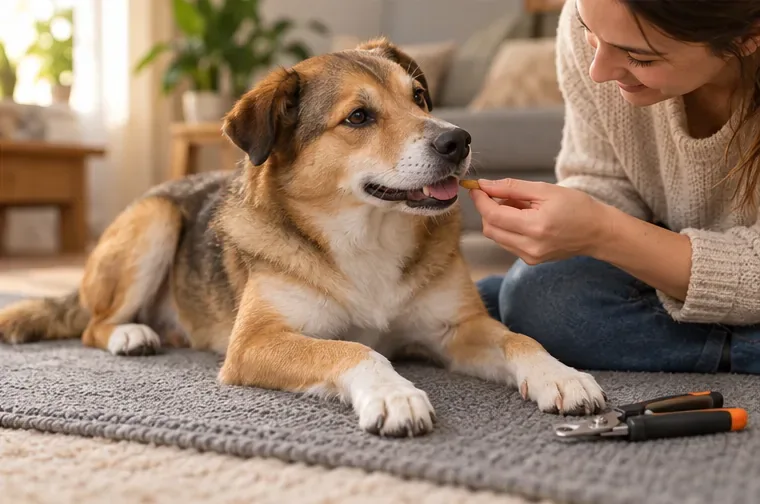
Touch the dog all over. Does he flinch when you touch his feet, ears, underbelly, or back? Does he suddenly twist his head around, or put his mouth on you, when you apply pressure to his rump? You want a dog who will lean into you wanting more touch and attention. You can teach this behavior through patience and positive reinforcement as you touch sensitive body areas.
Roll some toys across the floor. Drop a book or keys. If the dog moves away, flinches, or otherwise displays fear, you’ll need to be patient and forgiving of him. Through positive reinforcement, he can learn to relax in all situations.
Lift the dog’s upper body, leaving his back feet on the floor. If he struggles when you pick him up, he’s not comfortable giving up control of himself. It may take longer for him to adjust to a new environment. A dog who relaxes, or is happy to be closer to you, will adjust easier to most environments.
Give the dog a toy and then take it away. If the dog growls or attempts to take the toy back by putting his mouth on you, jumping on you, or showing other assertive behaviors, he may have resource guarding behavior. This behavior can be dangerous around young children or older people. A dog who allows you to take the toy is more forgiving and relaxed about his environment. If the dog gets excited and wants to play, that’s also a great reaction, because it means the dog wants to interact with you.
Crouch down and clap your hands. If the dog readily comes to you, he’s likely very social and engaging. If the dog doesn’t come toward you, he may be feeling intimidated or have an independent attitude. The dog who comes to you will be a better fit in an active family or one with children and other pets. The other dog would likely do well in a quiet home, where his human companions offer patience and understanding.
Stocking up on dog supplies
Before you bring home your mixed-breed dog, you’ll need to have lots of supplies on hand. Here’s a list of what you’ll need:
- Food: Make sure you have at least a two-week supply of your dog’s current food. If you intend to change his diet, you’ll need to do so slowly to ensure he doesn’t experience gastrointestinal stress. Doing so over a period of two weeks will prevent this occurrence.
- A front-connecting harness and leash: Most rescue dogs aren’t trained to walk off leash. And even if your dog is, just to be on the safe side, you’ll need some means of keeping him close to you while you travel or exercise with him. When you get your dog’s rabies, identification, and license tags, you can connect them to the harness.
- Food and water bowls: Purchase bowls that will be appropriate for the type of dog you adopt. A small dog should have low-profile bowls, while a big dog should have a raised feeder. Dogs who eat quickly should have a slow-feed bowl to prevent bloat and other possible eating disorders. If your dog likes to play in his water bowl, use a bucket attached to his crate to prevent your floor from becoming a wading pool.
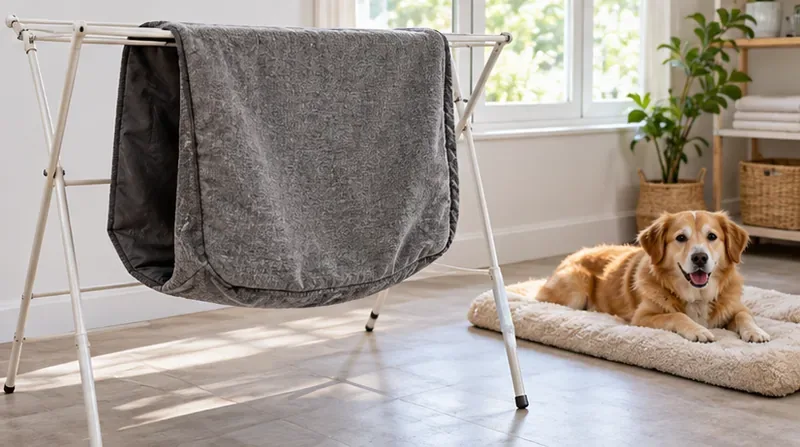
- Bedding: When you first get your dog, you won’t know if he destroys bedding or not. To play it safe, purchase a flat mat, without stuffing, that will be appropriate for his size. Small dogs may prefer a soft, fluffy bed and are less likely to be destructive, so you can indulge them from the start.
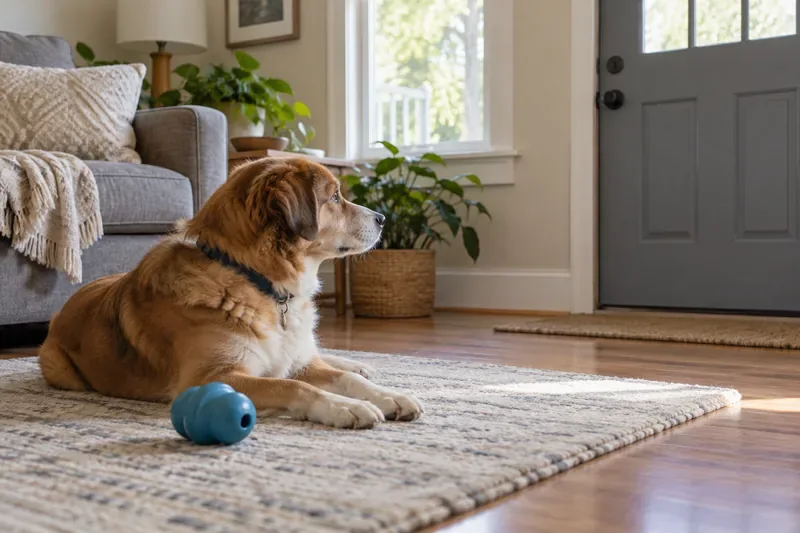
- Toys and chews: Most dogs love to play with toys, and all dogs need something to chew on. The more toys and chews you provide for your dog, the less likely he’ll be to turn your house into a giant chew toy. Having enough items around you will make it easy to redirect inappropriate chewing (your chairs) to where he should be putting his energy and attention (a chew toy). Make sure all toys are size appropriate. At the beginning, you should avoid toys with stuffing, until you’re certain your new mixed-breed dog doesn’t revel in killing them. Interactive toys that you can fill with food are a great means of keeping your dog busy for long periods of time, and if used during feeding time, they’ll slow down his food intake.
- Crate: Purchase a size-appropriate crate for your mixed-breed dog. He’ll need a place where he can feel safe, and you’ll need a place to put him when you can’t keep an eye on him and guide him into appropriate behavior patterns. The crate is also a place to put his water, feed him, or allow him to play with any particularly messy chew toy such as a smoked shank bone.
Shopping in a pet store can be fun, and pet stores are great places to go on outings with your dog, but sometimes you can save money by shopping the numerous online pet supply websites. Here are a few that are sure to have everything you want, at a competitive price:
And, for specialty items, try the following: