How to Find a Hidden Water Leak Under a Sink: A Simple, Safe Check
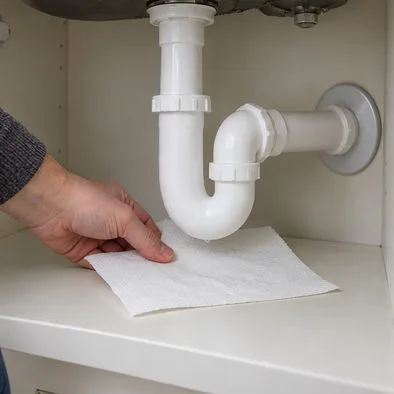
Use dry paper towels and four focused checks to find a hidden sink leak, tell supply leaks from drain leaks, and know when to call a plumber.
What to do during your spring, autumn, and routine beekeeping inspections varies. The spring inspection starts or revives your bee colony, the autumn inspection prepares your beehive for the cold weather (assuming it gets cold in your area), and your routine beekeeping inspections help maintain a healthy and productive hive. Here are our buzz-worthy tips.

©kosolovskyy/Shutterstock.com
Spring beekeeping inspection
Spring is a busy time for bees and beekeepers. Your spring beekeeping inspection is the first of the season. It’s time to start bee colonies or bring your colonies “back to life.” Feeling like a busy bee yourself will help you know you’re on the right track to successful beekeeping. Here’s your spring inspection chores list:
Routine beehive inspections
The mechanics of routine beekeeping will become habit the more you visit the hive. Not to be too cliché, but practice does make perfect — or at least, closer to it. Look for these specific things and follow these procedures while inspecting your bees and their hive:
Autumn beekeeping inspection
The beekeeping cycle slows in the autumn (the same way most of us do!). To prepare your bee colony for the cold winter weather in your area, do these things in your autumn beehive inspection:
Use dry paper towels and four focused checks to find a hidden sink leak, tell supply leaks from drain leaks, and know when to call a plumber.
Bathroom mirror streaks often come from residue, dirty cloths, excess cleaner, or dried water. Find the likely cause and a gentle way to fix it.
Reduce overnight window condensation by controlling indoor moisture, improving airflow, monitoring humidity, and knowing when the window itself needs attention.
Reduce cooking and kitchen odors without fragrance by improving ventilation, cleaning grease and food residue, managing waste, and finding persistent odor sources.
Learn why ceiling fans wobble, which warning signs mean turn it off, and what you can safely check before calling an electrician.
Learn why indoor plant leaves turn brown at the edges, how to read clues about watering, humidity, salts, and light, and when to seek expert help.
Keep stored clothes dry without mothballs: measure closet humidity, reduce moisture at the source, dry garments fully, choose suitable storage, and inspect for mold.
Musty towels often point to lingering moisture, washer residue, or slow drying. Learn how a hypothetical laundry example helps narrow the cause and what to change first.
Keep balcony plants hydrated during a short trip with a plan based on pot size, plant needs, sun, and wind. Compare wicks, self-watering pots, and plant sitters.
Move a heavy houseplant safely without scratching hardwood, denting flooring, spilling soil, or straining your back. Use a protected path, a dolly, and a controlled team lift.