How to Make the Right Choices at the Deli Counter

When you are trying to manage your diabetes, you should approach the deli counter with caution. When you approach the deli counter with its long rows of meats, cheeses, and salads, in most cases you do so without your best friend — nutrition facts. That’s not to say there aren’t healthy choices available, but the trick is finding them.

It simply isn’t possible to tell by looking, because even though you see ingredients you know swimming around in those salads, you can bet there are ingredients you can’t see. You need the nutrition information for these mixed dishes.

The information is available, but in most cases it’s held in a secure location behind the deli counter. That makes planning for deli items even more challenging than eating out, because most restaurants publish nutrition information online for you to consider in advance — most groceries do not.

The best strategy is to ask your deli counter how you can get copies of the nutrition information for products that you find appealing. They may hand you a book, or perhaps have preprinted tags or cards for the individual dishes. If you’re comfortable evaluating the products on the spot, good for you.

If you’d rather not do this while thinking under pressure, take the nutrition information home, and make your selections for the next trip. Remember, consider serving size and carbohydrates for blood glucose control, but watch for dishes that are high in fat, sodium, or added sugar.

Speaking of added sugar, the deli counter is often adjacent to the store’s bakery goods department, where an assortment of cookies, cakes, and pastries may be softly calling your name. You may find some great, freshly baked bread selections in this area, and once again you should be able to get the nutrition information for those items from the bakery counter.

As for the sweetened treats, walk swiftly. Sweet treats aren’t forbidden for diabetics— moderation, as you would imagine, is the strategy best adopted for diabetes management — but you are much better off preparing these kinds of items at home.

First, you’ll know exactly what goes into the recipe, and you can select from recipes that are lower in carbohydrate, fat, and sodium. Second, baked goods can often be modified by using non-nutritive sweeteners to replace sugar, and fruit purees to replace fat. Grocery baked sweets are best avoided.
Leave a Comment

Why Does Sauce Separate After Reheating, and Can You Fix It?

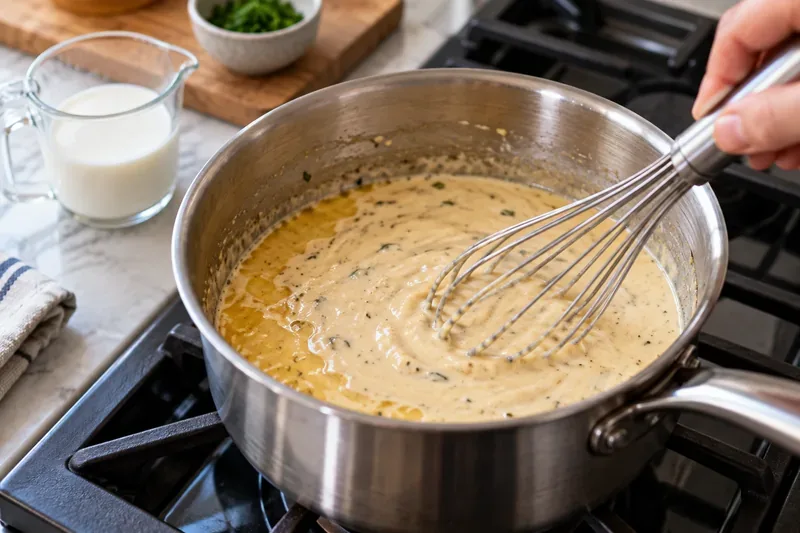
Why Does Sauce Separate After Reheating, and Can You Fix It?

Sauce can split after reheating when fat, water, proteins, or starch fall out of balance. Learn why it happens, which sauces can be rescued, and how to reheat them safely.

What Makes Pancakes Tough Instead of Fluffy? Causes and Fixes

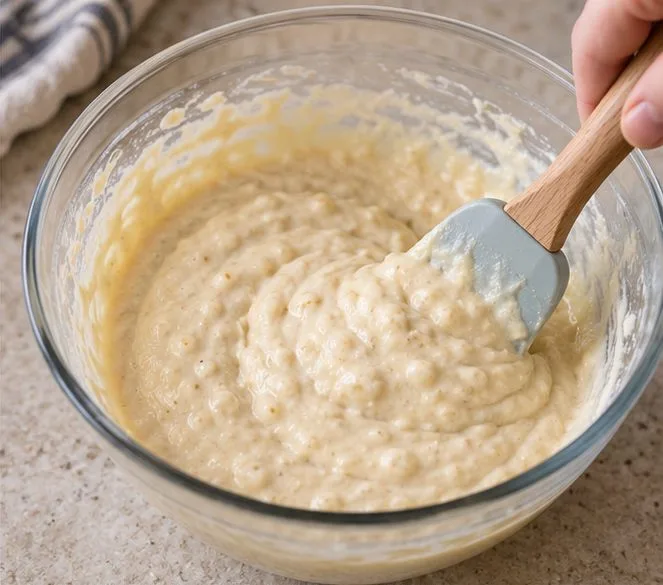
What Makes Pancakes Tough Instead of Fluffy? Causes and Fixes

Find out why pancakes turn tough, chewy, or dense. Learn how to mix batter gently, check leaveners, control pan heat, and cook a fluffy test batch.

How to Fix Soup That Tastes Too Salty Without Doubling the Recipe

How to Fix Soup That Tastes Too Salty Without Doubling the Recipe

Rescue salty soup with measured dilution, liquid exchange, or unsalted add-ins. Learn what potatoes, lemon, sugar, and cream can—and cannot—do.

How to Cool a Large Pot of Food Safely Before Refrigerating It

How to Cool a Large Pot of Food Safely Before Refrigerating It

Cool a large pot of soup, stew, or other leftovers safely: divide it into shallow containers, use an ice bath when needed, and refrigerate promptly.

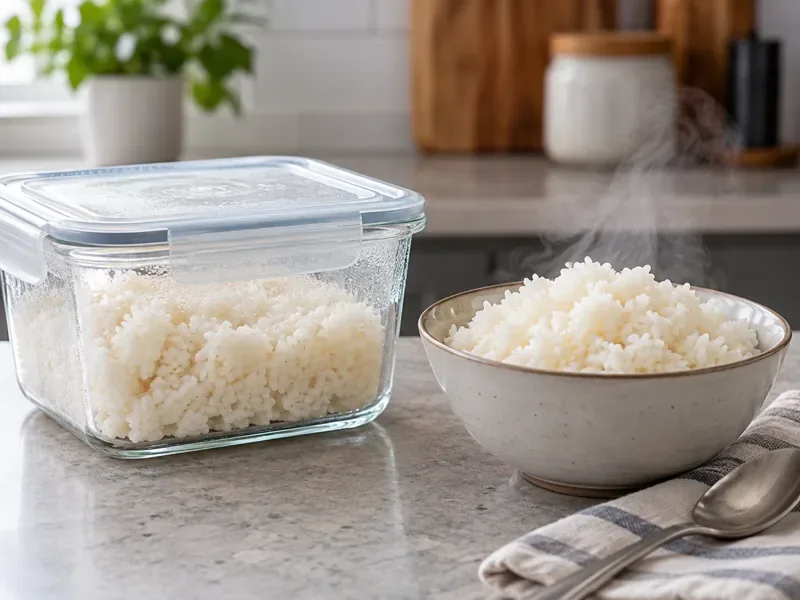
Why Cooked Rice Gets Hard in the Fridge—and How to Reheat It Safely

Why Cooked Rice Gets Hard in the Fridge—and How to Reheat It Safely

Learn why refrigerated rice firms up, how to restore its texture, and how to cool, store, and reheat leftovers safely to 165°F.

How to Help a Small Batch of Dough Rise in a Cool Kitchen

How to Help a Small Batch of Dough Rise in a Cool Kitchen

Use a gentle warm spot, cover the dough, and follow visual cues to help a small batch rise in a cool kitchen without overheating or overproofing it.

Simmering vs. Poaching vs. Boiling: How to Tell the Difference

Simmering vs. Poaching vs. Boiling: How to Tell the Difference

Learn how poaching, simmering, and boiling differ by water movement, temperature, and best uses, plus how to control the heat and check doneness safely.

Why Chocolate Seizes When Melting—and the Best Way to Save It

Why Chocolate Seizes When Melting—and the Best Way to Save It

Learn why melted chocolate turns thick and grainy, how to rescue it as sauce or ganache, and when baking or starting over is the better choice.

How to Tell Whether Baking Powder Is Still Active

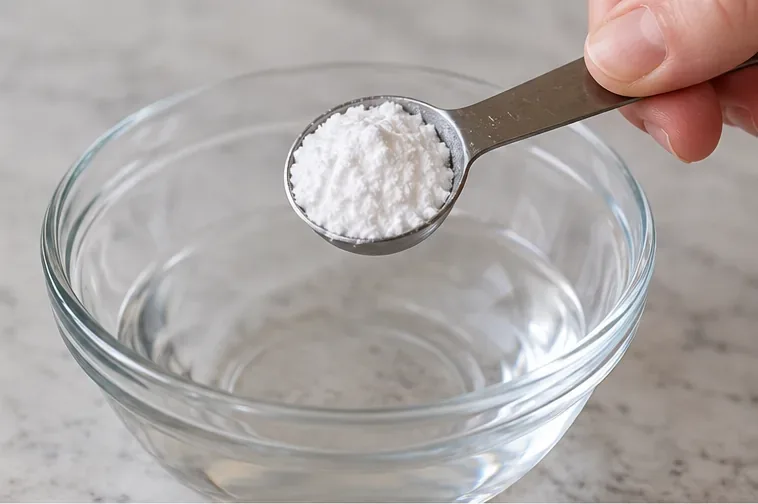
How to Tell Whether Baking Powder Is Still Active

Test baking powder with warm water, read the bubbles, and learn when to replace it. This simple guide also explains storage, dates, and common testing mistakes.

Why Homemade Bread Splits on the Side Instead of the Top

Why Homemade Bread Splits on the Side Instead of the Top

A side split usually means the loaf expanded at a weak point instead of opening through its score. Learn how scoring, steam, shaping, proofing, and pan fit affect the result.