How to Train Your Dog with Treats

The age-old question is “To treat or not to treat?” Training without treats can be done, but it’s not much fun, and in a life filled with daily responsibilities and stress, you may as well enjoy the process of teaching and learning with your puppy.

One of the better treat-training tools is a treat cup, which is easy to make and fun to use: Find an empty plastic container, cut a small hole in the lid, and fill it half full with small treats or your pup’s food. Shake it and give treats until your puppy associates the sound with getting a reward.

Shake, treat, shake, treat, shake, treat . . . soon the sound of the cup will bring her running. Then, you can use this sound to highlight positive moments between you and your puppy and to encourage your pooch’s happy association to important words and people.

Create multiple treat cups and spread them all around — in every room of the house, in your car, and at Grandma’s house. You can never have too many treat cups. However, remember to put them out of your puppy’s reach so that she doesn’t overindulge!

Have children? Make it a family project by decorating your treat cups with construction paper, markers, and stickers.

Use your treat cup to shape your puppy’s happy and willing cooperation. For example, if you want your puppy to sit but she’s jumping up, hold the treat cup out of her reach. When she finally calms down, praise her and give a treat.

Each time a puppy puts something in her mouth — whether it’s something of hers or something she shouldn’t chew — find the treat cup and shake it. Say “Share” as you approach her calmly and exchange a treat for the object in her mouth. Giving a treat doesn’t reward bad behavior, it rewards the positive share response and encourages her to bring you what she’s found, undestroyed.

Yelling at a puppy when she’s doing something wrong just creates tension and stress, leading to more bad behavior. To top that, trying to get her to release something in her mouth conveys prize envy and often leads to catch-me antics or, worse, aggression.

Leave a Comment

What to Pack for a Pet Sitter Besides Food and Medicine

What to Pack for a Pet Sitter Besides Food and Medicine

Prepare a pet-sitter kit with care instructions, emergency contacts, comfort items, cleanup supplies, ID details, and home-access notes—plus a practical handoff checklist.

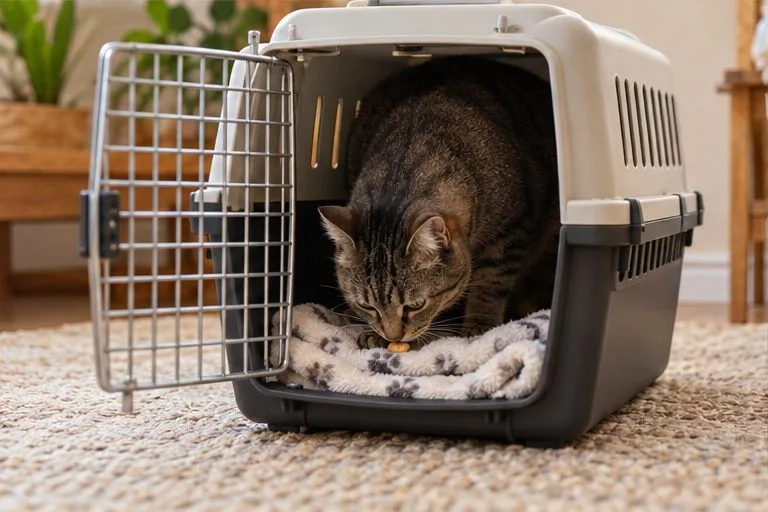
Help Your Cat Feel Safe in the Carrier Before a Vet Visit

Help Your Cat Feel Safe in the Carrier Before a Vet Visit

Learn how to choose a cat carrier, build comfort with gradual reward-based practice, and prepare for a safer, less stressful veterinary trip.

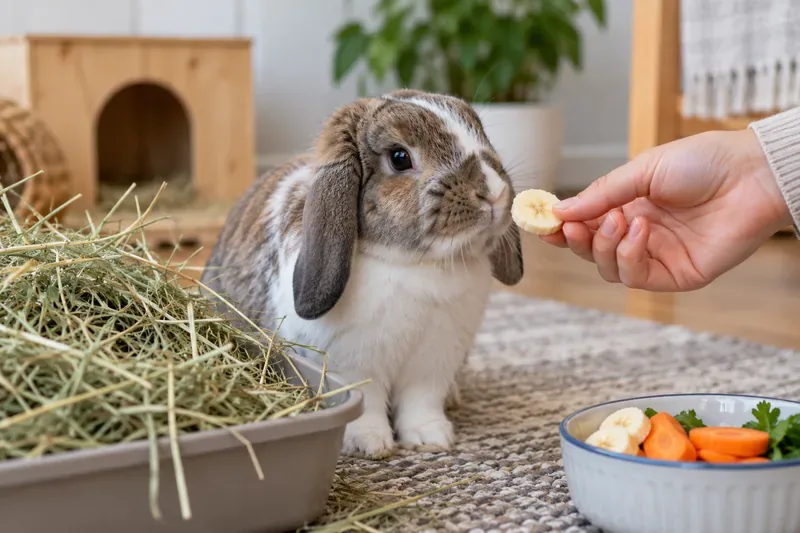
Why a Rabbit May Refuse Hay but Still Eat Treats—and What to Do Next

Why a Rabbit May Refuse Hay but Still Eat Treats—and What to Do Next

A rabbit that skips hay but accepts treats may have dental pain, GI trouble, stress, or a diet preference. Learn what to watch, what to change, and when to call a rabbit-savvy vet.

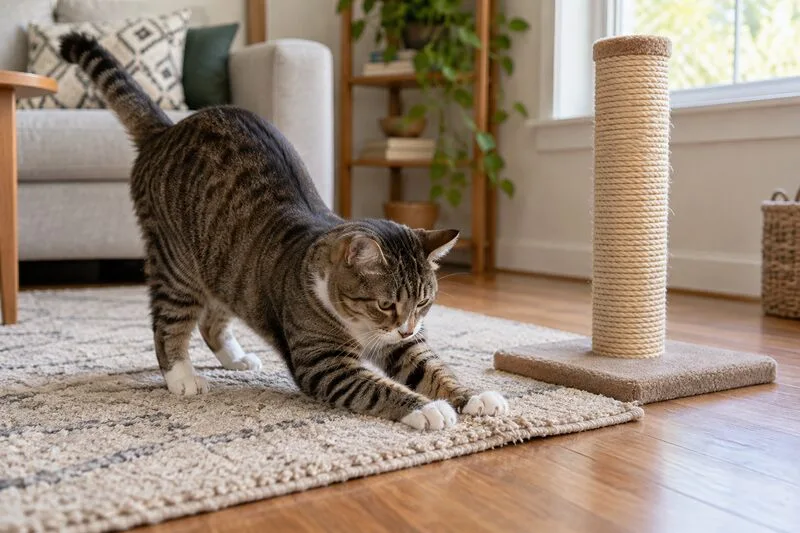
Why Does a Cat Scratch Beside the Scratching Post?

Why Does a Cat Scratch Beside the Scratching Post?

A cat may scratch beside a post because the spot, texture, angle, stability, or location suits it better. Learn what to observe and how to adjust the setup.

Why Does My Pet Get Restless at the Same Time Every Evening?

Why Does My Pet Get Restless at the Same Time Every Evening?

A pet’s evening restlessness may follow natural activity rhythms, routine cues, unmet needs, or health changes. Learn what to observe and when to call a veterinarian.

How to Help Your Cat Use a New Litter Box Without Forcing It

How to Help Your Cat Use a New Litter Box Without Forcing It

Introduce a new litter box gently: keep the familiar box available, use familiar litter, and let your cat choose. Learn when avoidance needs veterinary care.

Boredom or Anxiety? What Your Pet’s Behavior When Left Alone Can Tell You

Boredom or Anxiety? What Your Pet’s Behavior When Left Alone Can Tell You

Learn how to compare boredom and separation-related anxiety in pets, what to record on video, when to call a veterinarian, and which low-risk changes may help.

How to Introduce Two Pets When One Guards Food or Toys

How to Introduce Two Pets When One Guards Food or Toys

Plan a safer, gradual introduction when a dog guards food or toys. Learn how to separate resources, read stress signals, measure progress, and know when to get expert help.

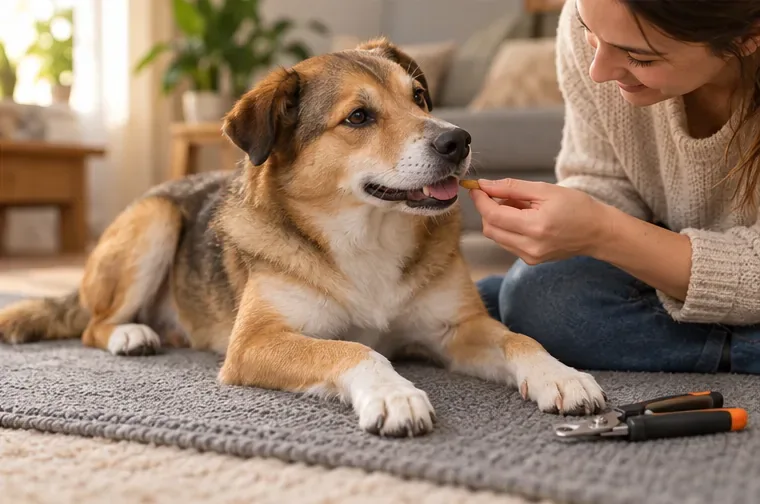
How to Trim Pet Nails When Your Animal Dislikes Paw Handling

How to Trim Pet Nails When Your Animal Dislikes Paw Handling

Help a dog or cat accept nail care with gradual, reward-based practice. Learn what progress looks like, when to pause, and when to ask a veterinarian or groomer for help.

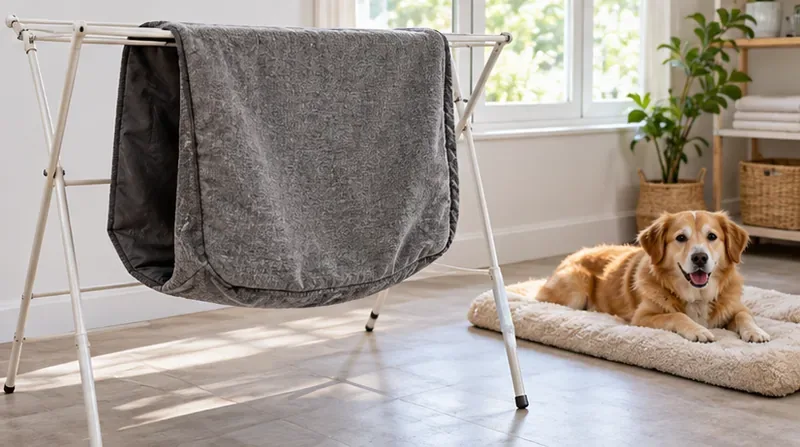
How to Clean a Pet Bed Without a Strong Detergent Scent

How to Clean a Pet Bed Without a Strong Detergent Scent

Learn how to wash a pet bed with less lingering detergent scent. Compare fragrance-free options, follow the care label, rinse thoroughly, and dry every layer safely.