Frances White Wines of Bordeaux

The Bordeaux region of France produces some of the world’s finest white wines, in addition to the more commonly known red Bordeaux wines. The finest dry white wines of Bordeaux are unique to the Bordeaux region; nowhere else in the world can you find such wines. As with many fine wines, however, their production is small.

The Bordelais make dry white wine in many districts of the region, including a few wines from the predominantly red-wine Haut-Médoc area. But most of Bordeaux’s dry and semi-dry white wines come from the following three districts:

  • Pessac-Léognan (peh sack leh oh n’yahn)

  • Graves (grahv)

  • Entre-Deux-Mers (ahn treh douh mare)

The Pessac-Léognan district is the home of Bordeaux’s finest white wines. Most of these wines come from estates that also happen to make fine red wines. The Graves district makes good, dry white wines that are less expensive than those of Pessac-Léognan. This area also produces great dessert wines. Entre-Deux-Mers (ahn treh douh mare) is a large district that is known for its inexpensive dry, semi-dry, and sweet white wines, although it also grows reds.

Other white Bordeaux wines, mainly inexpensive versions, come from grapes grown throughout the Bordeaux region rather than in a specific district; these wines simply carry the region-wide appellation, Bordeaux Blanc.

Sauvignon Blanc and Sémillon grape varieties

Sauvignon Blanc is the dominant grape variety (60 to 100 percent) in most of Bordeaux’s dry white wines, whereas Sémillon dominates the sweeter white wines. (A third permitted white grape variety, Muscadelle, plays a minor role in a few wines.) The very best dry white wines of Pessac-Léognan contain around 50 percent Sémillon (seh mee yohn).

Sauvignon Blanc and Sémillon have a fine symbiotic relationship, for the following reasons:

  • The Sauvignon Blanc part of the wine offers immediate charm; it’s crisp, lively, herbaceous, light-bodied, and develops early.

  • The Sémillon part is slower to open; it’s fuller-bodied, viscous, and honeyed, with lower acidity than the high-acid Sauvignon; it enriches the wine, but needs several years to unfold.

Most of the better dry white Bordeaux, which are blends of both varieties, are crisp and lively when they’re young, but develop a honeyed, fuller-bodied richness with age. In good vintages, they can age a surprisingly long time — often for 30 or 40 years or more.

Drinking white Bordeaux

Dry white Bordeaux is a versatile wine. It typically goes well with chicken, turkey, veal, and delicate fish entrées. It also goes well with soft, mild cheeses; goat cheese is particularly fine with white Bordeaux.

Like most fine white wines, dry white Bordeaux is best when you serve it slightly cool, but not cold! The ideal serving temperature is in the 58°F to 62°F (14°C to 16°C) range.
Leave a Comment

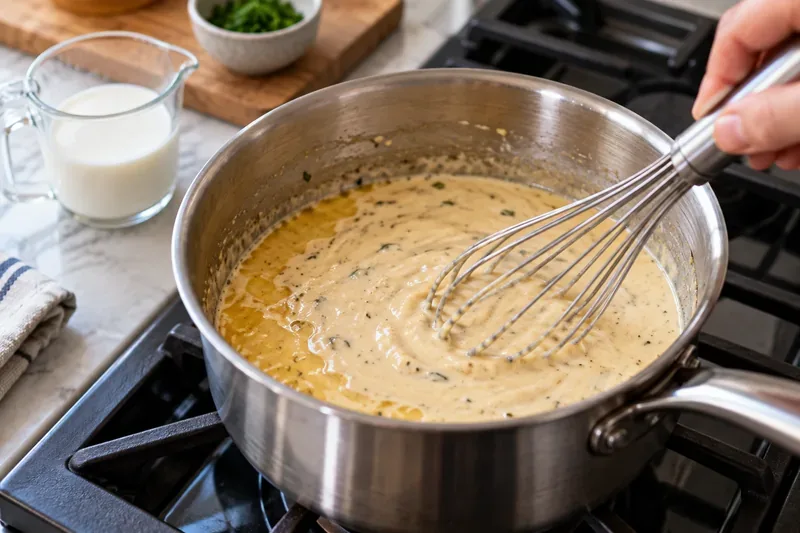
Why Does Sauce Separate After Reheating, and Can You Fix It?

Why Does Sauce Separate After Reheating, and Can You Fix It?

Sauce can split after reheating when fat, water, proteins, or starch fall out of balance. Learn why it happens, which sauces can be rescued, and how to reheat them safely.

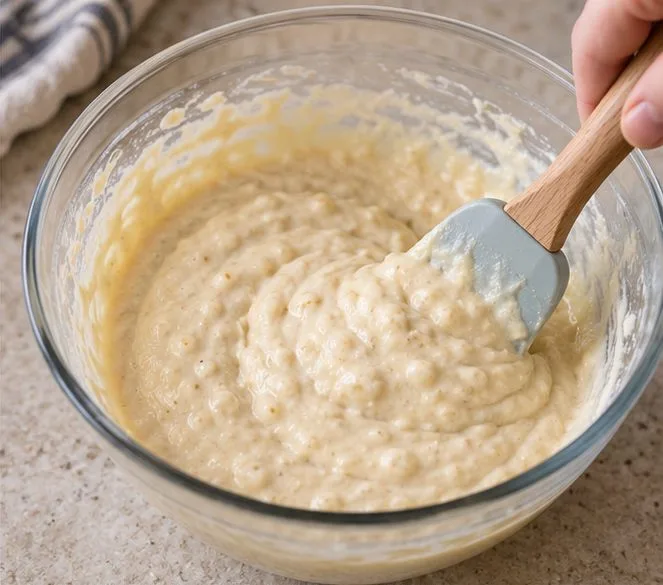
What Makes Pancakes Tough Instead of Fluffy? Causes and Fixes

What Makes Pancakes Tough Instead of Fluffy? Causes and Fixes

Find out why pancakes turn tough, chewy, or dense. Learn how to mix batter gently, check leaveners, control pan heat, and cook a fluffy test batch.

How to Fix Soup That Tastes Too Salty Without Doubling the Recipe

How to Fix Soup That Tastes Too Salty Without Doubling the Recipe

Rescue salty soup with measured dilution, liquid exchange, or unsalted add-ins. Learn what potatoes, lemon, sugar, and cream can—and cannot—do.

How to Cool a Large Pot of Food Safely Before Refrigerating It

How to Cool a Large Pot of Food Safely Before Refrigerating It

Cool a large pot of soup, stew, or other leftovers safely: divide it into shallow containers, use an ice bath when needed, and refrigerate promptly.

Why Cooked Rice Gets Hard in the Fridge—and How to Reheat It Safely

Why Cooked Rice Gets Hard in the Fridge—and How to Reheat It Safely

Learn why refrigerated rice firms up, how to restore its texture, and how to cool, store, and reheat leftovers safely to 165°F.

How to Help a Small Batch of Dough Rise in a Cool Kitchen

How to Help a Small Batch of Dough Rise in a Cool Kitchen

Use a gentle warm spot, cover the dough, and follow visual cues to help a small batch rise in a cool kitchen without overheating or overproofing it.

Simmering vs. Poaching vs. Boiling: How to Tell the Difference

Simmering vs. Poaching vs. Boiling: How to Tell the Difference

Learn how poaching, simmering, and boiling differ by water movement, temperature, and best uses, plus how to control the heat and check doneness safely.

Why Chocolate Seizes When Melting—and the Best Way to Save It

Why Chocolate Seizes When Melting—and the Best Way to Save It

Learn why melted chocolate turns thick and grainy, how to rescue it as sauce or ganache, and when baking or starting over is the better choice.

How to Tell Whether Baking Powder Is Still Active

How to Tell Whether Baking Powder Is Still Active

Test baking powder with warm water, read the bubbles, and learn when to replace it. This simple guide also explains storage, dates, and common testing mistakes.

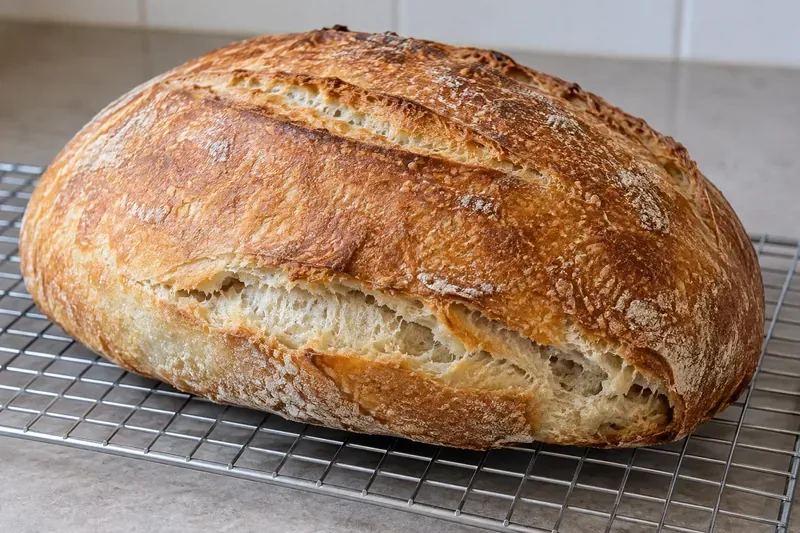
Why Homemade Bread Splits on the Side Instead of the Top

Why Homemade Bread Splits on the Side Instead of the Top

A side split usually means the loaf expanded at a weak point instead of opening through its score. Learn how scoring, steam, shaping, proofing, and pan fit affect the result.