Depth of Field in Aperture-Priority Mode during Dog Photography

Manipulating your depth of field is a fantastic way to home in on specific details of your image and draw the viewer’s eye exactly where you want it—to your dog’s expressive eyes or wagging tail.

Depth of Field in Aperture-Priority Mode during Dog Photography

70mm, 0.4 sec., f/18, 250 70mm, 1/125 sec., f/2.8, 250

Here, you see the same image side by side, but each image tells a very different story. The photo on the left was taken with a very small aperture (f/18) and would likely be described as a woman and her dog enjoying a view of the distant city.

This photo has great depth of field, which keeps the subjects and the distant view all in focus. Equal weight is given to the subjects and the background; neither really stands out from the other.

Conversely, the photo on the right was taken with a very wide aperture (f/2.8) and would likely be described as a woman and her dog bonding. This photo has very shallow depth of field, which keeps the subjects in focus but blurs the view of the city. The effect that your aperture has on your final image is dramatic, to say the least!

When working with a very small aperture, you let in very little light, which may result in you needing an extremely slow shutter speed. The image on the left was photographed using a tripod because it called for such a slow (0.4 second) shutter speed. Because the photo’s subjects were sitting still, a slow shutter speed was okay to use.

Use aperture-priority (AV) mode when you want to make deliberate decisions about the depth of field in your final image. To work in AV mode, simply set the mode dial on your digital SLR to AV. Then you can freely flip through your f-stop settings until you land on the f-stop you want.

The exact dial or button you use to change your f-stop varies from camera to camera, so check your manual if you’re unsure of how to do this.

When working in AV mode and shooting with a shallow depth of field (a smaller f-stop number), try to accurately focus on the exact area that you want in focus because much of the shot consists of bokeh, the purposely out-of-focus areas that are rendered as a soft, creamy blur.

Leave a Comment

What to Pack for a Pet Sitter Besides Food and Medicine

What to Pack for a Pet Sitter Besides Food and Medicine

Prepare a pet-sitter kit with care instructions, emergency contacts, comfort items, cleanup supplies, ID details, and home-access notes—plus a practical handoff checklist.

Help Your Cat Feel Safe in the Carrier Before a Vet Visit

Help Your Cat Feel Safe in the Carrier Before a Vet Visit

Learn how to choose a cat carrier, build comfort with gradual reward-based practice, and prepare for a safer, less stressful veterinary trip.

Why a Rabbit May Refuse Hay but Still Eat Treats—and What to Do Next

Why a Rabbit May Refuse Hay but Still Eat Treats—and What to Do Next

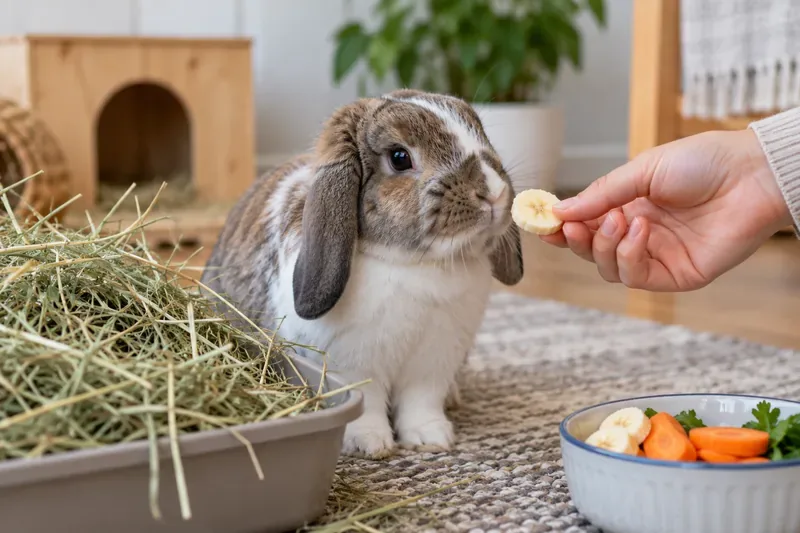
A rabbit that skips hay but accepts treats may have dental pain, GI trouble, stress, or a diet preference. Learn what to watch, what to change, and when to call a rabbit-savvy vet.

Why Does a Cat Scratch Beside the Scratching Post?

Why Does a Cat Scratch Beside the Scratching Post?

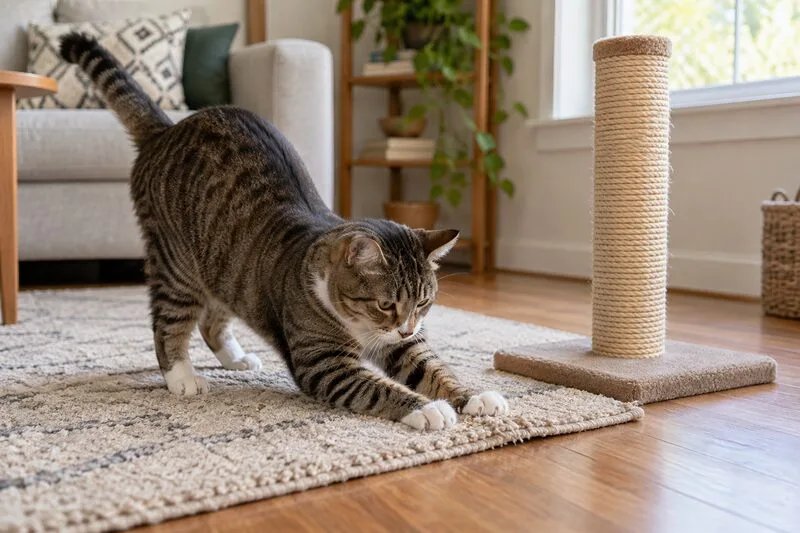
A cat may scratch beside a post because the spot, texture, angle, stability, or location suits it better. Learn what to observe and how to adjust the setup.

Why Does My Pet Get Restless at the Same Time Every Evening?

Why Does My Pet Get Restless at the Same Time Every Evening?

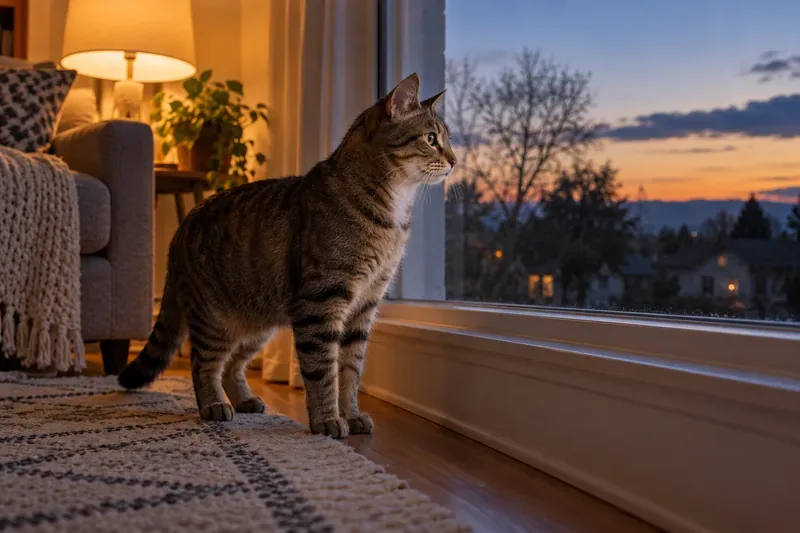
A pet’s evening restlessness may follow natural activity rhythms, routine cues, unmet needs, or health changes. Learn what to observe and when to call a veterinarian.

How to Help Your Cat Use a New Litter Box Without Forcing It

How to Help Your Cat Use a New Litter Box Without Forcing It

Introduce a new litter box gently: keep the familiar box available, use familiar litter, and let your cat choose. Learn when avoidance needs veterinary care.

Boredom or Anxiety? What Your Pet’s Behavior When Left Alone Can Tell You

Boredom or Anxiety? What Your Pet’s Behavior When Left Alone Can Tell You

Learn how to compare boredom and separation-related anxiety in pets, what to record on video, when to call a veterinarian, and which low-risk changes may help.

How to Introduce Two Pets When One Guards Food or Toys

How to Introduce Two Pets When One Guards Food or Toys

Plan a safer, gradual introduction when a dog guards food or toys. Learn how to separate resources, read stress signals, measure progress, and know when to get expert help.

How to Trim Pet Nails When Your Animal Dislikes Paw Handling

How to Trim Pet Nails When Your Animal Dislikes Paw Handling

Help a dog or cat accept nail care with gradual, reward-based practice. Learn what progress looks like, when to pause, and when to ask a veterinarian or groomer for help.

How to Clean a Pet Bed Without a Strong Detergent Scent

How to Clean a Pet Bed Without a Strong Detergent Scent

Learn how to wash a pet bed with less lingering detergent scent. Compare fragrance-free options, follow the care label, rinse thoroughly, and dry every layer safely.